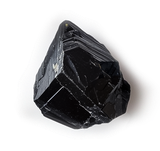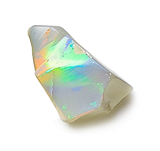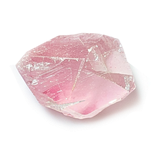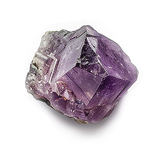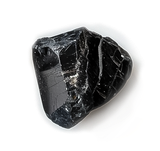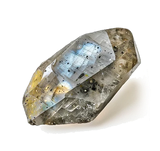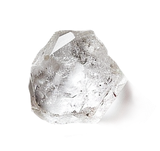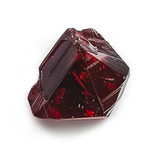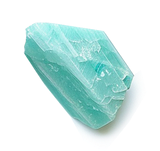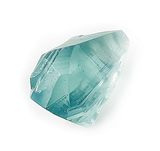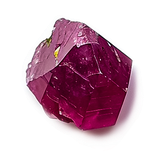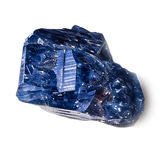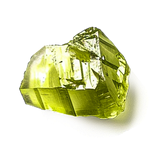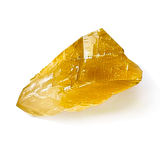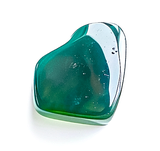
Topaz is a stunning and versatile gemstone, known for its clarity, brilliance, and wide range of colors. Natural Topaz can appear colorless, blue, yellow, orange, pink, or reddish-brown, with the rare Imperial Topaz—an orange-red variety—being the most valuable. With a hardness of 8 on the Mohs scale, Topaz is durable and ideal for rings, necklaces, earrings, and other jewelry.
Historically, Topaz has symbolized wisdom, strength, and protection, often used as a talisman by ancient civilizations. Today, blue Topaz is especially popular, often enhanced through irradiation and heat treatment to produce vibrant shades like Swiss Blue or London Blue.
Its dazzling colors, transparency, and durability make Topaz a perfect choice for both collectors and everyday wear.
Topaz has a rich history that dates back thousands of years, with its name believed to have originated from the Sanskrit word “tapas,” meaning “fire,” which reflects the warm, fiery colors of some Topaz varieties. Ancient civilizations, including the Egyptians, Greeks, and Romans, treasured Topaz not only for its beauty but also for its supposed protective and healing properties. In medieval Europe, Topaz was thought to strengthen the mind and ward off evil spirits, while in the East, it symbolized wisdom, courage, and good fortune.
Geologically, Topaz forms in igneous rocks such as granite and rhyolite and is often found in cavities filled with gas or mineral-rich fluids. Major deposits are located in Brazil, Russia, Sri Lanka, Nigeria, and Pakistan, each producing stones with unique color characteristics. Over time, Topaz has remained a beloved gemstone across cultures, admired for its brilliance, hardness, and the wide spectrum of colors it offers.
Topaz can be found in several regions around the world, with each location producing stones of unique colors and qualities. Brazil is the largest and most famous source, known for producing a wide variety of Topaz, including colorless, yellow, pink, and Imperial Topaz. Russia is renowned for its high-quality Imperial Topaz, prized for its vibrant orange-red hues. Sri Lanka offers smaller but highly transparent Topaz crystals, often used in fine jewelry.
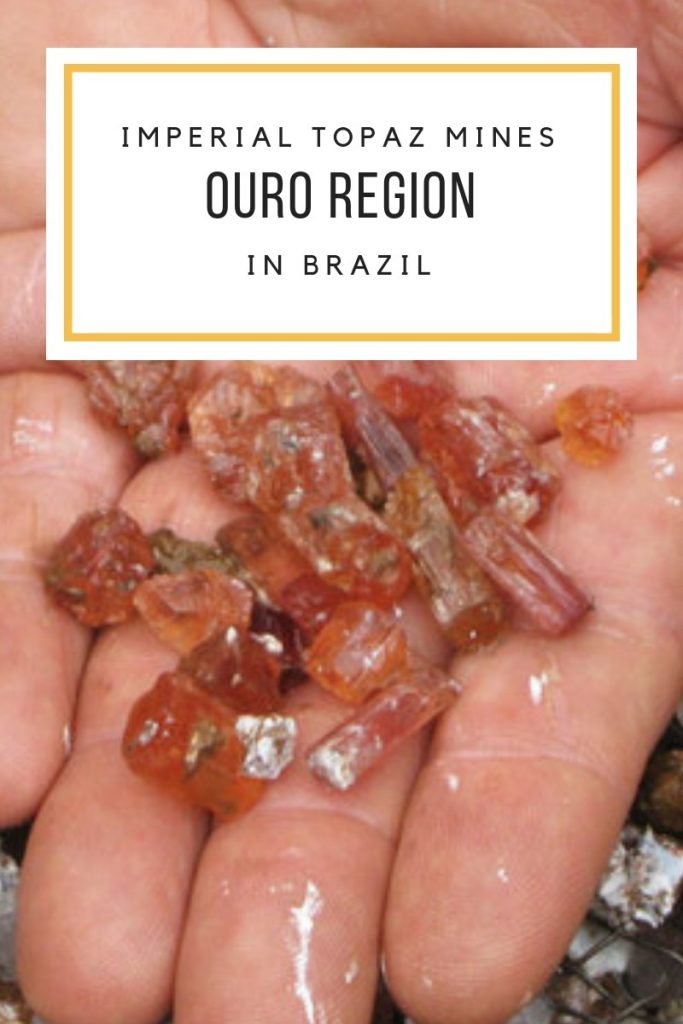
Other notable sources include Nigeria and Pakistan, which produce beautiful blue and colorless Topaz, and Mexico, which provides unique yellow and brown varieties. Topaz typically forms in igneous rocks such as granite and rhyolite, often in cavities where mineral-rich fluids allow the crystals to grow. While natural blue and green Topaz are very rare, most colors can be enhanced through heat or irradiation, making Topaz accessible and versatile for jewelry around the world.
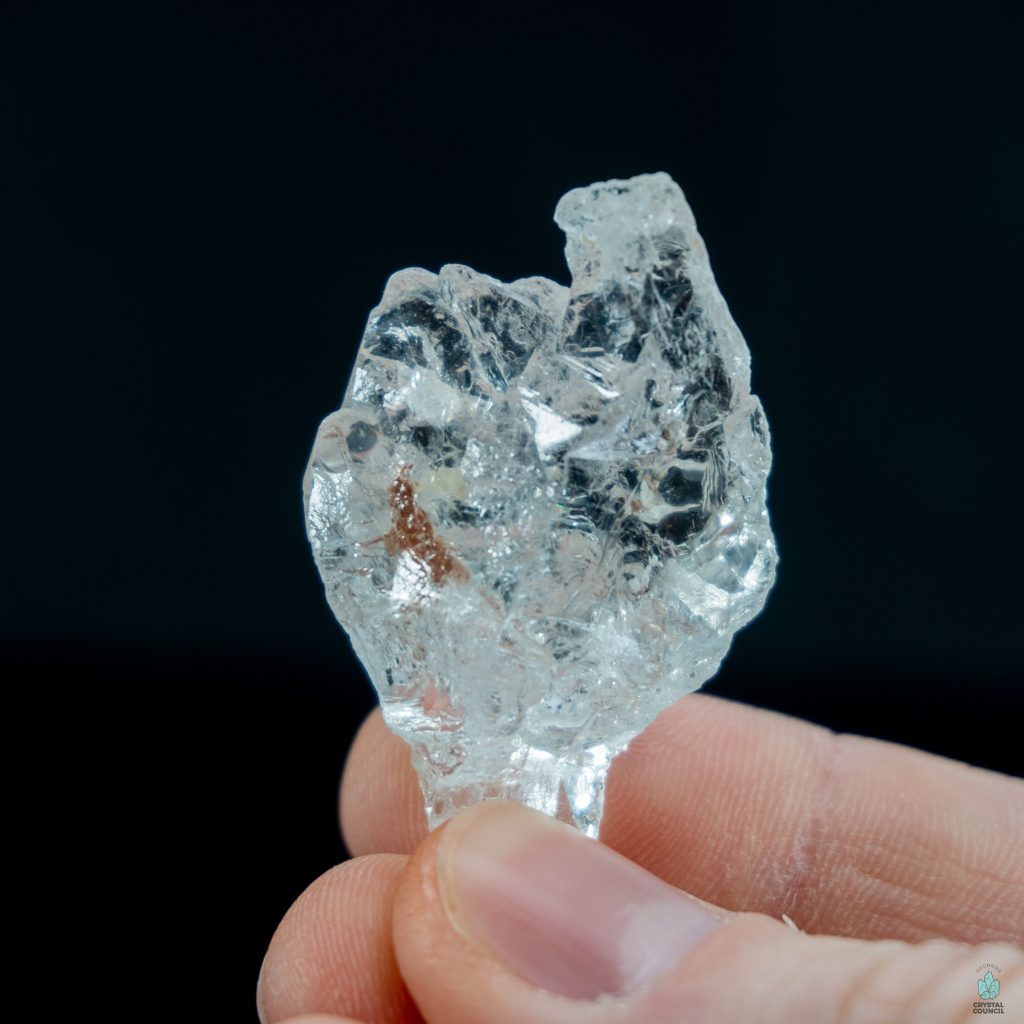
1.Colorless Topaz – Colorless Topaz is completely transparent and exhibits exceptional brilliance, making it a timeless choice for classic jewelry designs. Its crystal-clear appearance allows it to catch and reflect light beautifully, enhancing the sparkle of rings, earrings, and pendants. Often used as a neutral gemstone, colorless Topaz complements any metal or gemstone pairing, making it versatile for both modern and traditional styles.
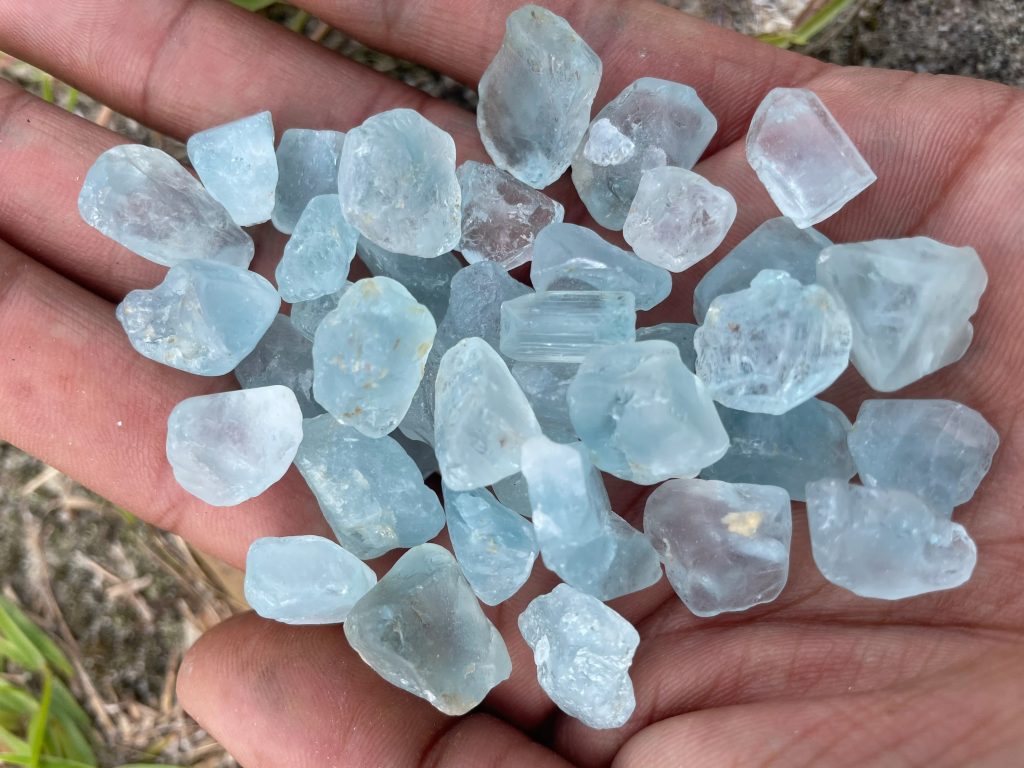
2.Blue Topaz – Blue Topaz is one of the most popular and widely recognized varieties of Topaz. While natural blue Topaz is rare, most blue stones on the market are treated through irradiation and heat to achieve vivid, lasting colors. Blue Topaz comes in several shades, including the light, icy Swiss Blue and the deeper, more intense London Blue. Its cool tones evoke a sense of calm and elegance, making it ideal for statement pieces or everyday jewelry.
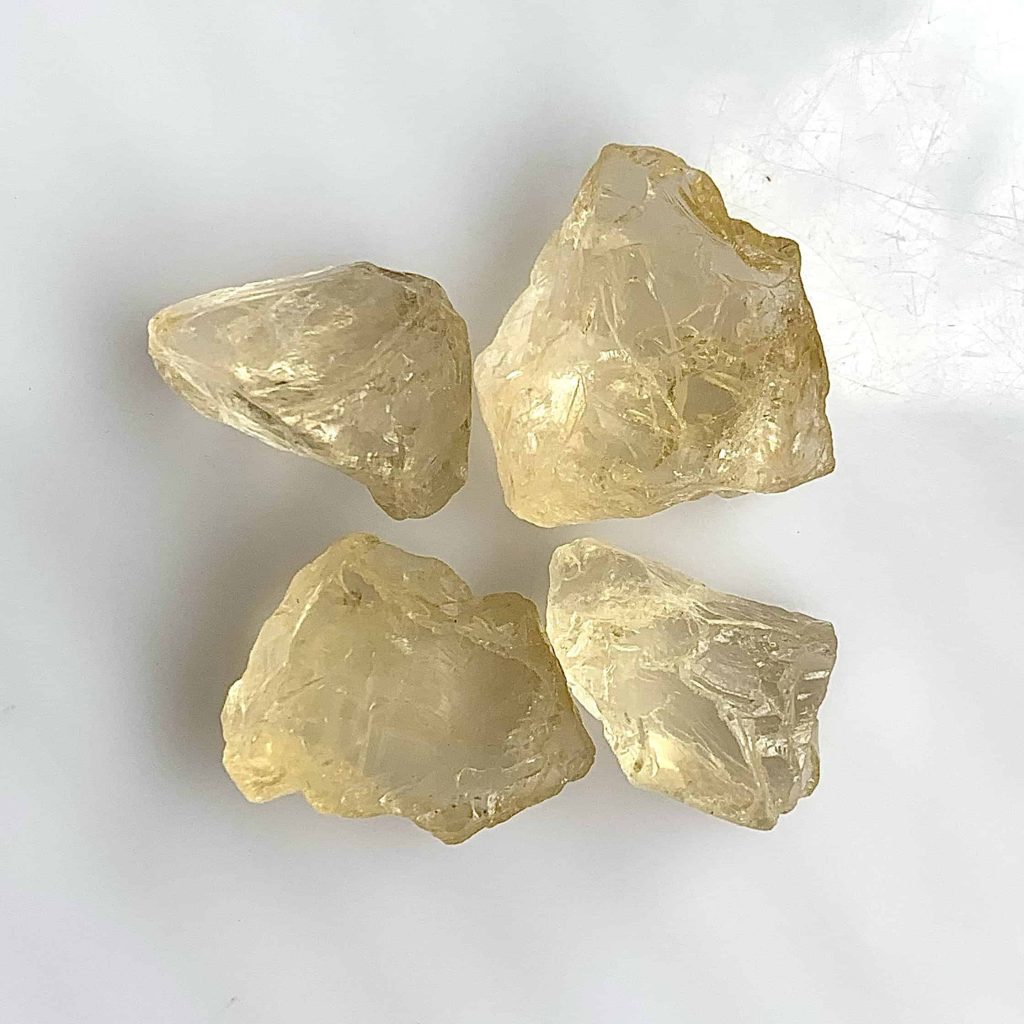
3.Yellow Topaz – Yellow Topaz offers a warm and sunny palette, ranging from pale buttery yellows to rich golden hues. Its cheerful color brings a sense of optimism and energy, and it pairs beautifully with gold settings to create luxurious and eye-catching designs. Yellow Topaz has long been favored in both casual and formal jewelry for its ability to brighten any look.
4.Imperial Topaz – Imperial Topaz is the rarest and most valuable variety of Topaz, prized for its vivid and captivating colors. Shades range from vibrant orange to pink-orange and deep reddish-orange. Its fiery hues are often associated with passion, creativity, and strength, making Imperial Topaz a gemstone of choice for collectors and high-end jewelry. Because of its rarity and intensity, Imperial Topaz pieces are considered prestigious and timeless.
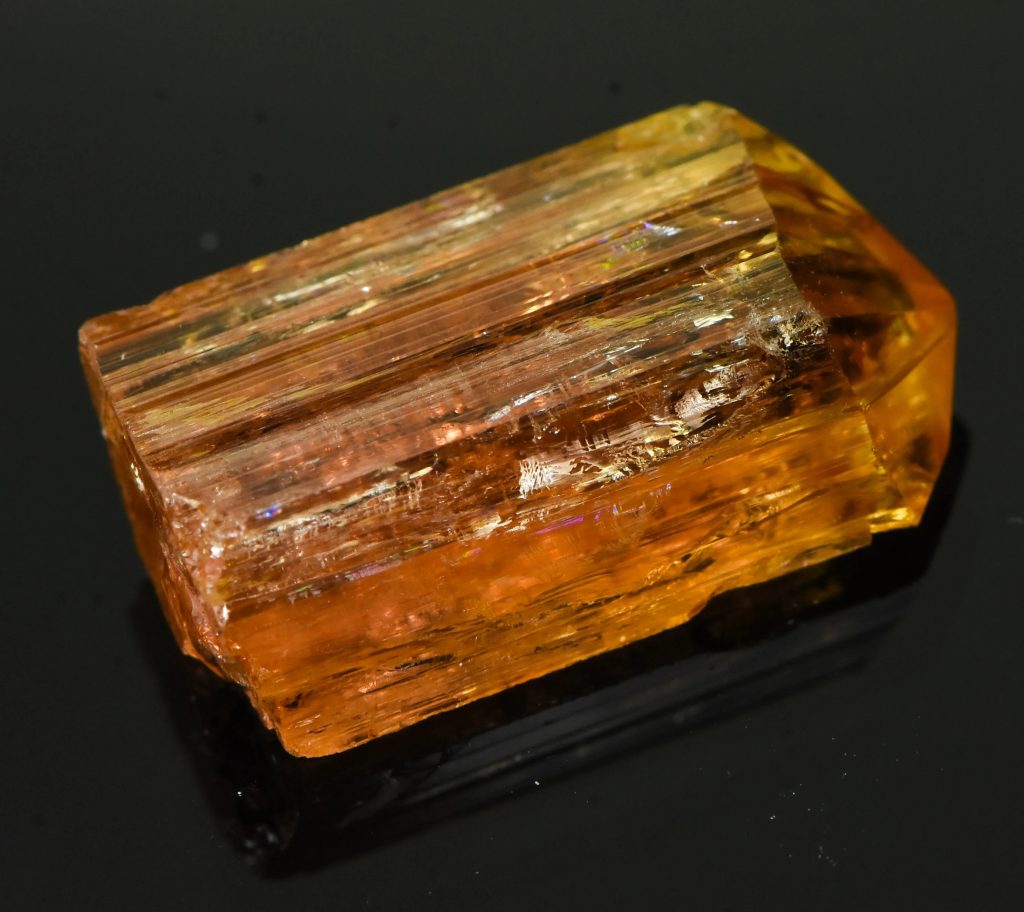
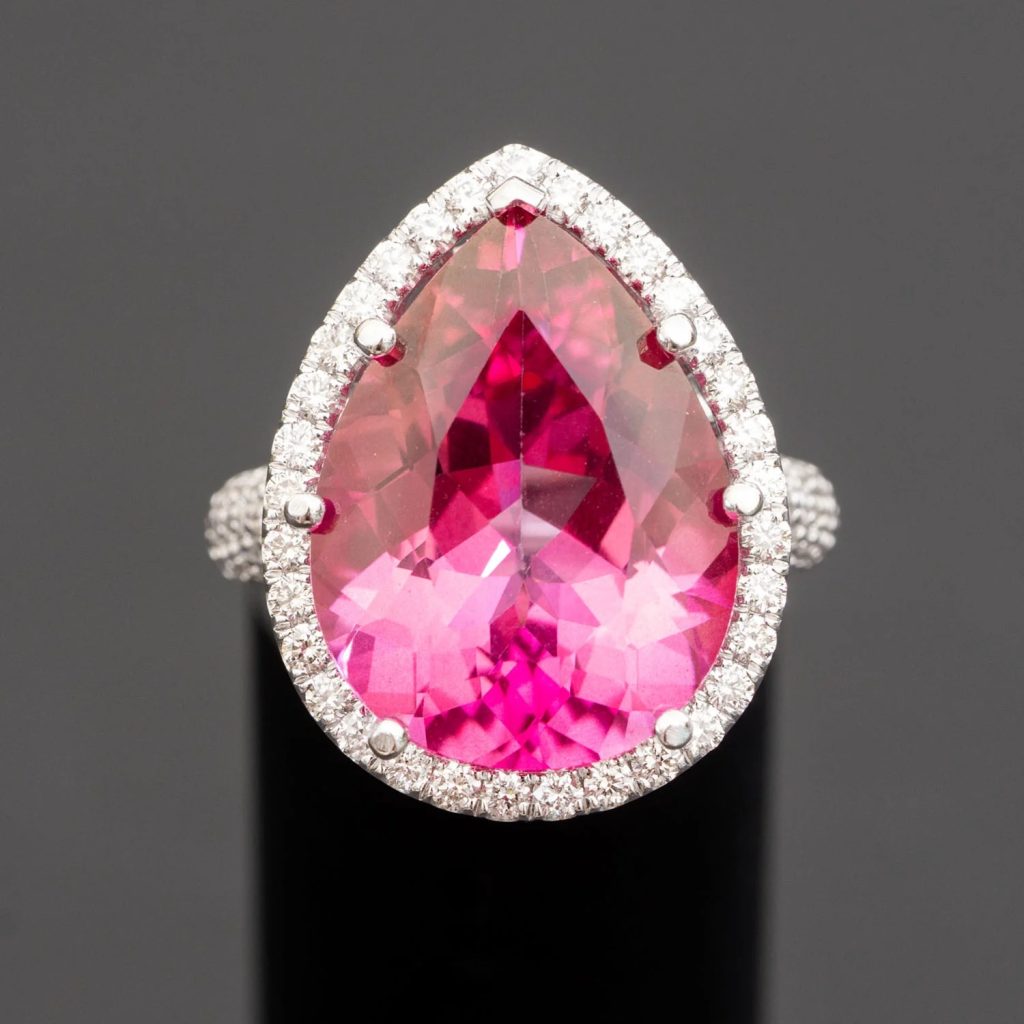
5.Pink Topaz – Pink Topaz exudes romance and elegance, with soft to medium pink tones that are both delicate and charming. Most pink Topaz comes from Brazil or Russia, and its gentle color is often used in rings and necklaces for a feminine, sophisticated appeal. Pink Topaz is also believed to symbolize love and affection, making it a meaningful choice for gifts or commemorative jewelry.
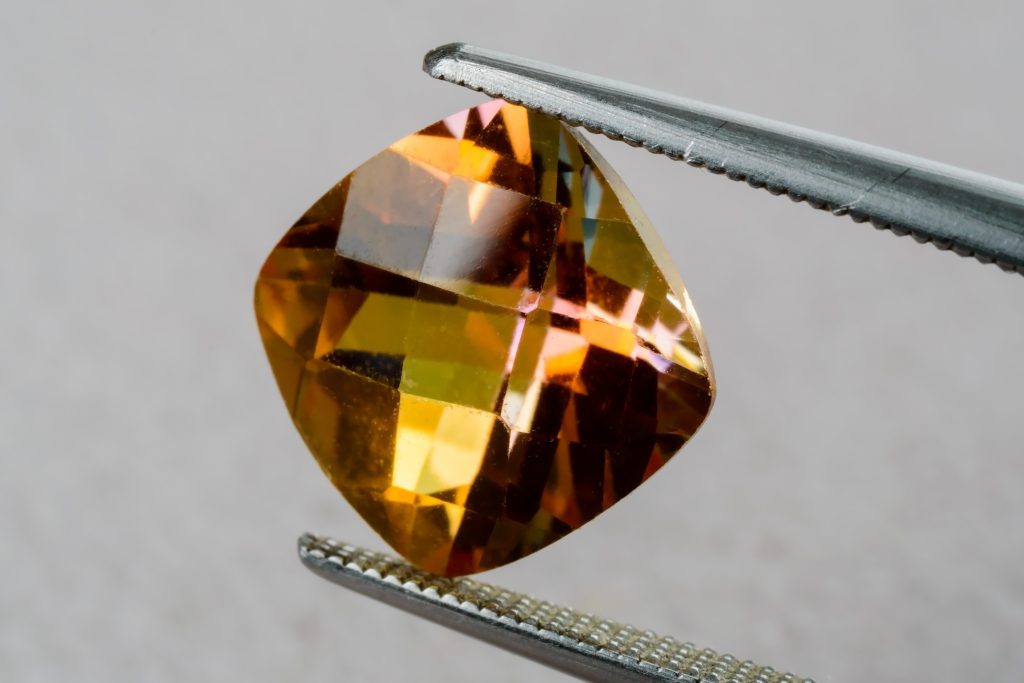
6.Brown or Red-Brown Topaz – Brown or red-brown Topaz features rich, earthy tones that convey warmth and sophistication. These shades are less common but are highly appreciated in fine jewelry for their subtle elegance and versatility. Brown Topaz pairs well with both silver and gold, and its understated beauty makes it suitable for statement pieces as well as everyday adornments.
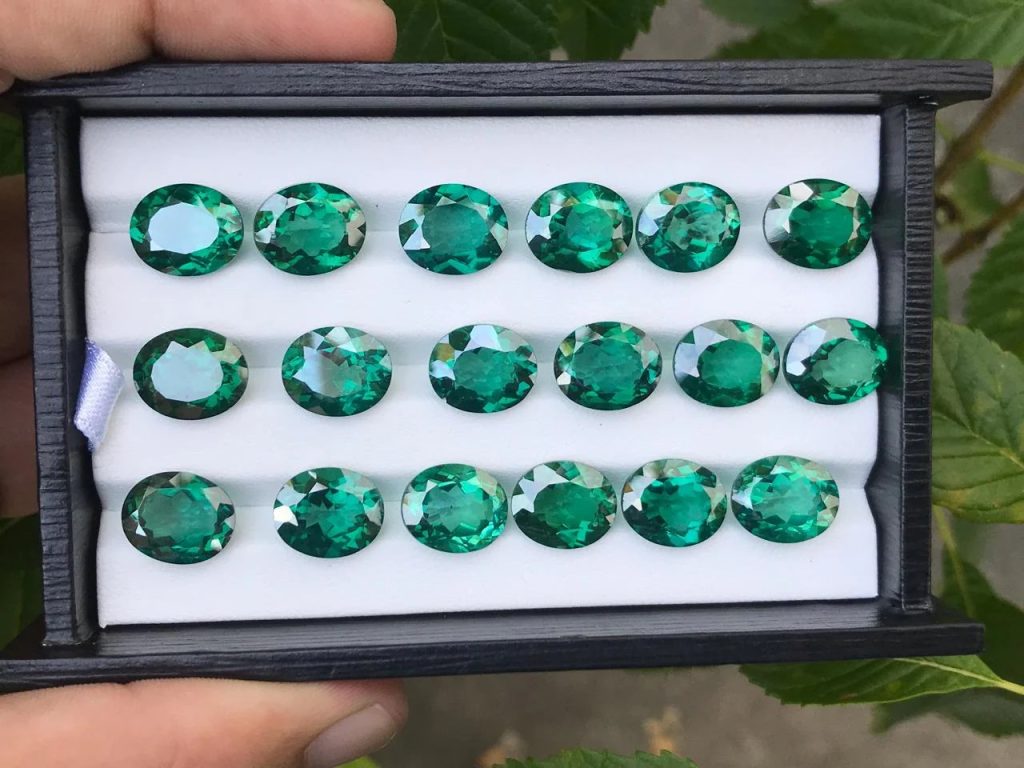
7.Green Topaz – Green Topaz is extremely rare in nature, and natural green stones are highly prized by collectors and jewelry enthusiasts. Its refreshing and serene green shades bring a unique vibrancy to jewelry designs, making it stand out among other gemstones. Because of its rarity, green Topaz is often used in exclusive, high-end pieces where its distinct color can be showcased to full effect.
Topaz has long been valued not just for its beauty but also for its symbolic meanings and cultural significance. According to the Gemological Institute of America (GIA), Topaz is recognized as the traditional birthstone for November, representing qualities such as friendship and affection, and is often associated with positive emotional traits.
Historically, many cultures believed Topaz held protective and empowering properties. In ancient times, the Greeks thought Topaz could give strength to its wearer, and during the Renaissance, Europeans believed it could dispel anger and break spells. These associations highlight the gemstone’s long-standing reputation as a symbol of inner strength, clarity, and positive energy.
Today, Topaz continues to be cherished not only for its wide range of vivid colors—from brilliant blues to warm golds and rare pinks—but also for its symbolic connection to friendship, loyalty, and emotional balance, making it a meaningful and cherished gemstone for personal jewelry or thoughtful gifts.
Topaz is a beautiful and durable gemstone, but like all gemstones, it requires proper care to maintain its brilliance and color. Here are some important tips to keep your Topaz looking its best:
1. Avoid Harsh Chemicals – Topaz can be damaged by strong chemicals such as bleach, acids, or household cleaning agents. Always remove Topaz jewelry before using cleaning products or swimming in chlorinated water.
2. Protect from Hard Impacts – With a hardness of 8 on the Mohs scale, Topaz is relatively hard, but it can still chip or fracture if struck with force. Avoid wearing Topaz jewelry during rigorous activities or sports.
3. Clean Gently – Use warm soapy water and a soft cloth or brush to clean Topaz jewelry. Avoid ultrasonic cleaners or steamers for stones that have been treated or have inclusions, as they may cause cracks or color changes.
4. Store Properly – Keep Topaz jewelry separate from other gemstones to prevent scratching. Soft pouches, jewelry boxes with compartments, or lined trays are ideal for storage.
5. Avoid Prolonged Sun Exposure – Some Topaz, especially certain treated blue varieties, may fade if exposed to strong sunlight for extended periods. Store your jewelry in a cool, dark place when not in use.
By following these simple care guidelines, your Topaz jewelry will retain its sparkle, color, and beauty for many years, making it a lasting and cherished addition to your collection.