Throughout human history, gemstones have been admired for their beauty, rarity, and symbolism. Yet among all known gemstones and natural materials, Moldavite occupies a category of its own. When people ask what is Moldavite, they are often surprised to learn that it is not a crystal in the traditional sense, nor is it a mineral formed slowly within the Earth. Moldavite is a natural glass created by an extraordinary cosmic event—one that permanently altered both the Earth’s surface and humanity’s relationship with the material world.
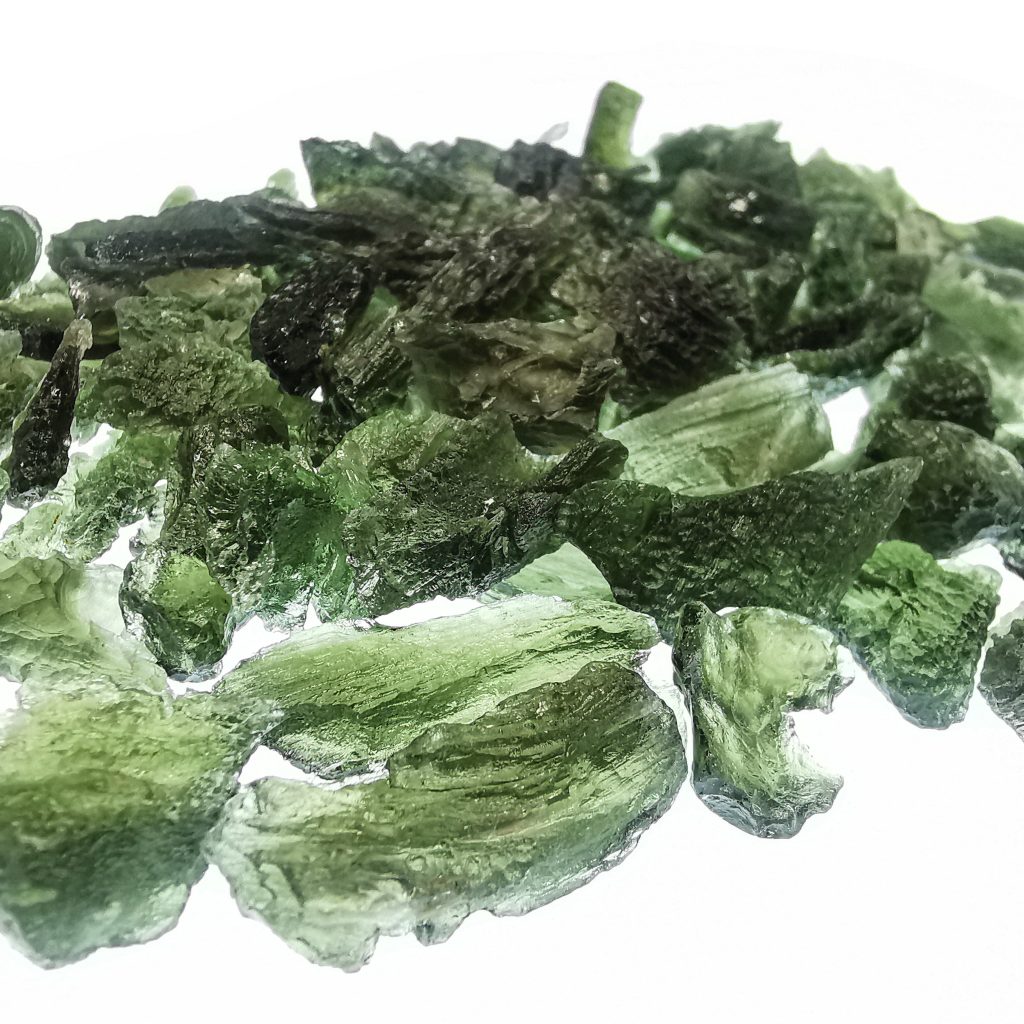
Moldavite originated approximately 14.7 million years ago during the Miocene Epoch, when a massive meteorite struck the region now known as southern Germany. This impact formed the Nördlinger Ries crater, releasing an unimaginable amount of energy. The force of the collision instantly melted and vaporized surrounding rock, ejecting molten material high into the atmosphere. As this material cooled while traveling through the air, it solidified into glass and fell back to Earth, landing primarily in what is now the Czech Republic. This is why Moldavite is classified as a Czech tektite and why it is found nowhere else in the world.
Unlike emeralds, peridot, or other green gemstones, Moldavite did not grow over millions of years through crystallization. Its formation was sudden, violent, and singular. This unique origin is the foundation of Moldavite’s scientific importance, historical fascination, and symbolic meaning. It represents a moment when Earth and space collided, leaving behind a tangible fragment of that encounter.
From a geological perspective, Moldavite belongs to the tektite family, a rare group of natural glasses formed by meteorite impacts. Tektites are created when terrestrial material is exposed to extreme heat and pressure, melts instantly, and is rapidly ejected from the impact site. Unlike volcanic glass such as obsidian, tektites are not formed by internal geological processes but by external cosmic forces.
The Ries impact is widely accepted by scientists as the source of Moldavite. The meteorite that caused this impact is estimated to have been over one kilometer in diameter. The energy released during the collision exceeded that of most known volcanic eruptions, creating temperatures high enough to melt quartz and other minerals instantly. The molten debris traveled hundreds of kilometers before cooling and falling to Earth, forming scattered deposits across Central Europe.
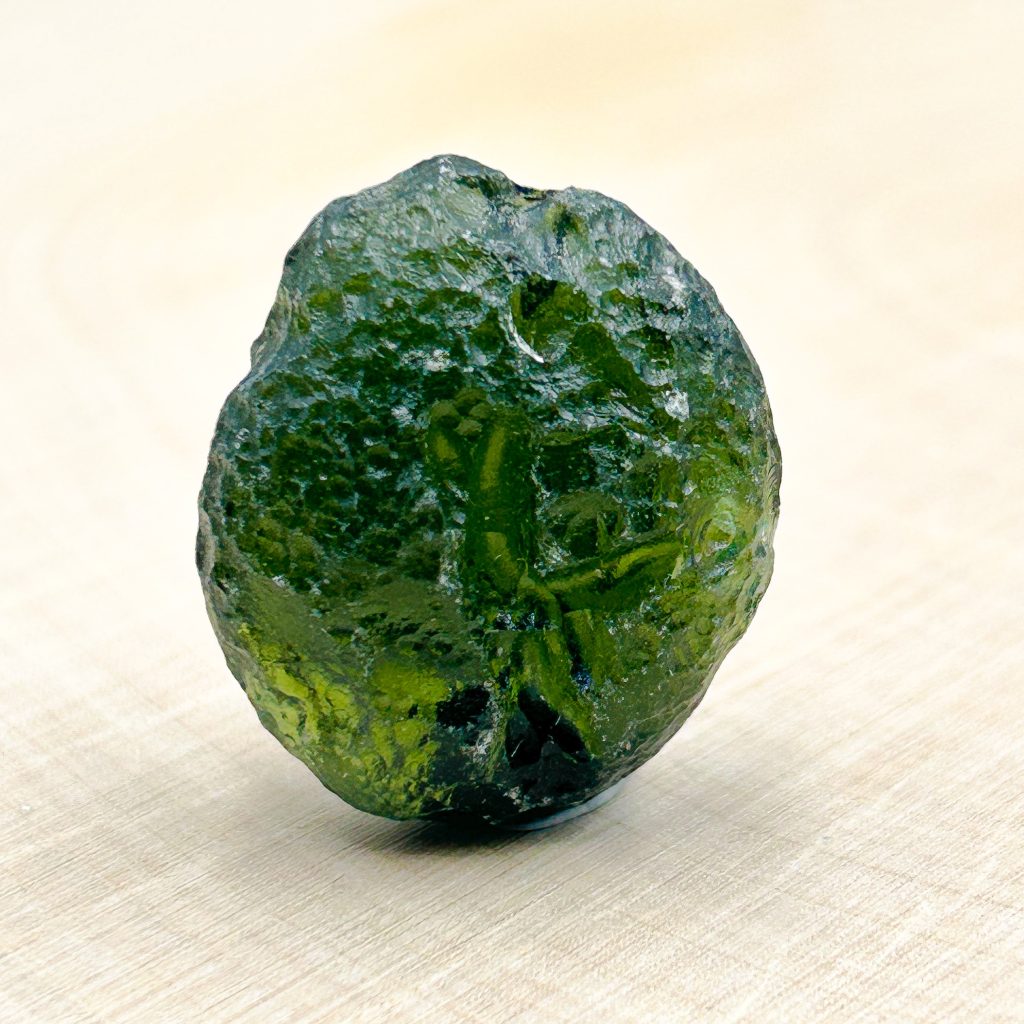
Chemically, Moldavite is composed primarily of silicon dioxide, with smaller amounts of aluminum oxide, iron, magnesium, and trace elements. While its chemical composition may resemble ordinary glass, its internal structure tells a far more complex story. Genuine Moldavite often contains elongated gas bubbles formed during rapid cooling, as well as inclusions of lechatelierite—a form of silica created only at extremely high temperatures. These microscopic features are key indicators of authenticity and are nearly impossible to reproduce artificially.
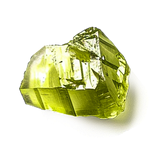
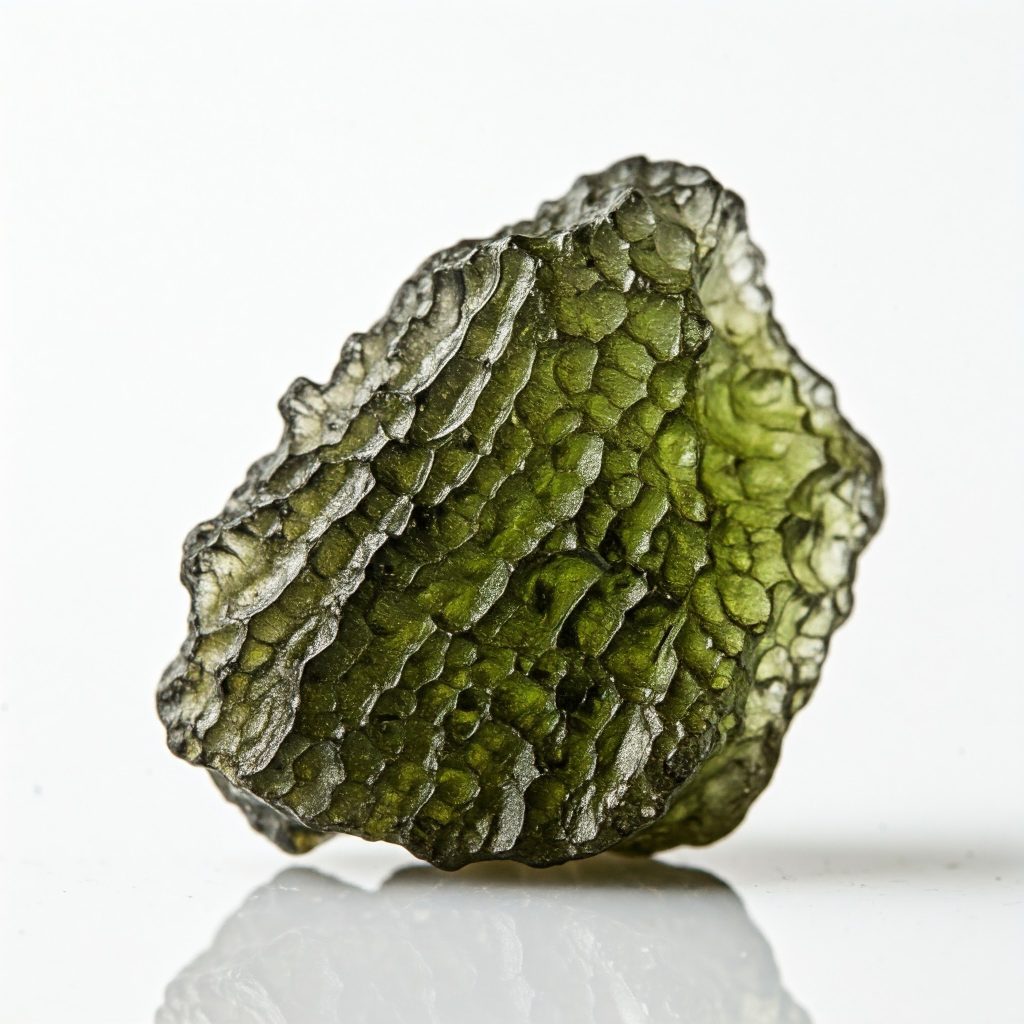
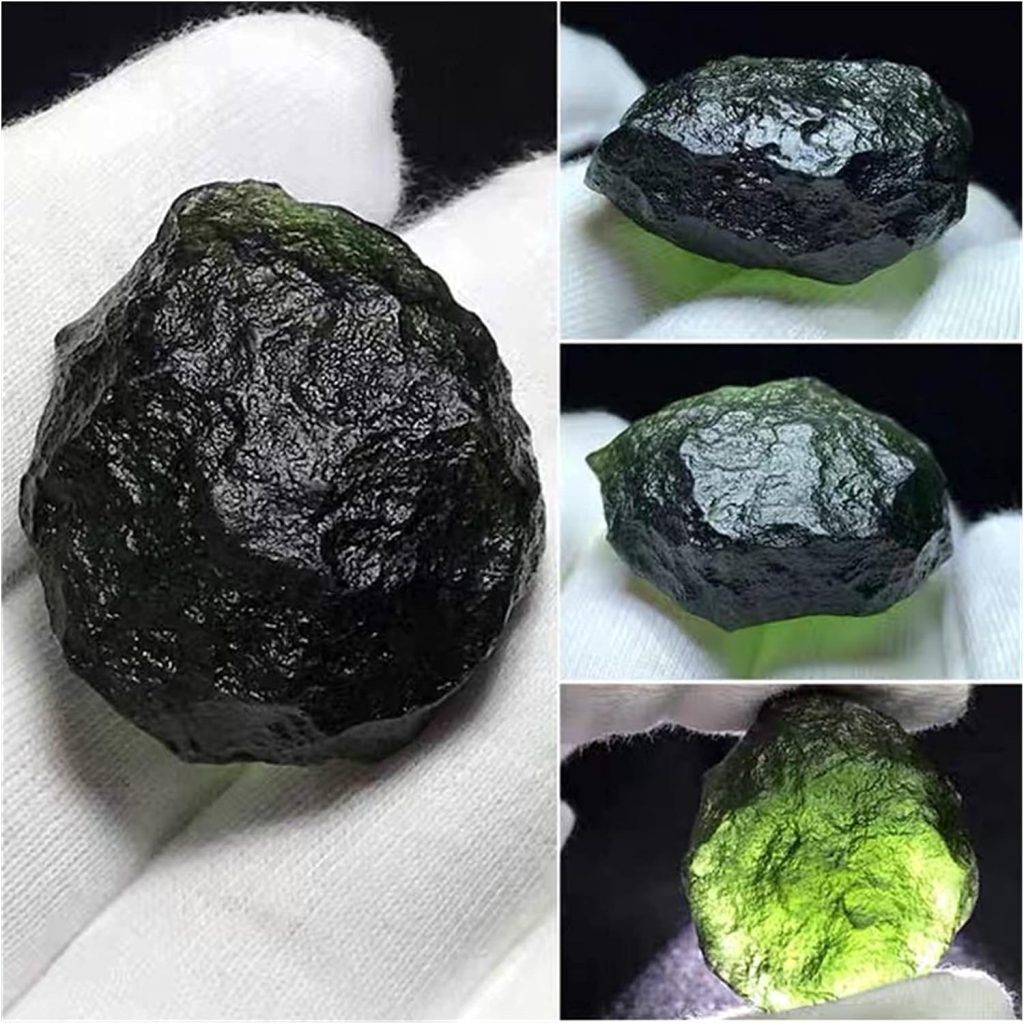
Visually, Moldavite is best known for its distinctive green color. Shades range from pale moss green to deep forest green, sometimes with olive or brown undertones. The surface of Moldavite is naturally sculpted, displaying sharp ridges, grooves, and pitted textures formed through millions of years of chemical weathering in soil. These sculpted surfaces are one of the most reliable ways to distinguish genuine Moldavite from imitations.
Moldavite’s relationship with humanity extends far beyond modern crystal culture. Archaeological evidence suggests that Paleolithic humans encountered and collected Moldavite tens of thousands of years ago. Stone tools, amulets, and decorative objects made from Moldavite have been discovered near early human settlements, indicating that ancient peoples recognized its unusual appearance and possibly attributed symbolic or ritual significance to it.
One of the most famous prehistoric artifacts, the Venus of Willendorf, was discovered in proximity to Moldavite fragments. While direct connections remain speculative, the association suggests that Moldavite may have held cultural or spiritual meaning even in the earliest stages of human expression. Its unusual color, glassy texture, and apparent rarity would have set it apart from ordinary stones, making it a natural candidate for symbolic use.
During the Middle Ages, Moldavite became woven into European folklore and legend. One of the most enduring theories links Moldavite to the Holy Grail, suggesting that the Grail was not a chalice but a green stone of celestial origin. According to this legend, the stone fell from the heavens and possessed transformative power. While there is no historical proof to support this claim, it reflects a long-standing perception of Moldavite as something sacred and otherworldly.
In Czech tradition, Moldavite was often given as a betrothal or wedding gift. It was believed to bring harmony, protection, and fertility to a marriage, reinforcing its symbolic association with unity and transformation. These cultural traditions demonstrate that Moldavite’s significance did not emerge suddenly in modern times but evolved gradually across centuries of human interaction.
In contemporary metaphysical traditions, Moldavite meaning is closely tied to transformation, acceleration, and spiritual awakening. Unlike stones that are associated with comfort or emotional soothing, Moldavite is often described as intense and challenging. It is commonly referred to as the “Stone of Transformation,” believed to push individuals toward necessary change rather than gentle reflection.
Many people who work with Moldavite describe experiences of sudden insight, emotional release, or major shifts in perspective. This has led to the idea that Moldavite acts as a catalyst, amplifying inner processes and bringing unresolved issues to the surface. Because of this, it is often recommended to individuals who feel ready for growth or change, rather than those seeking calm or stability.
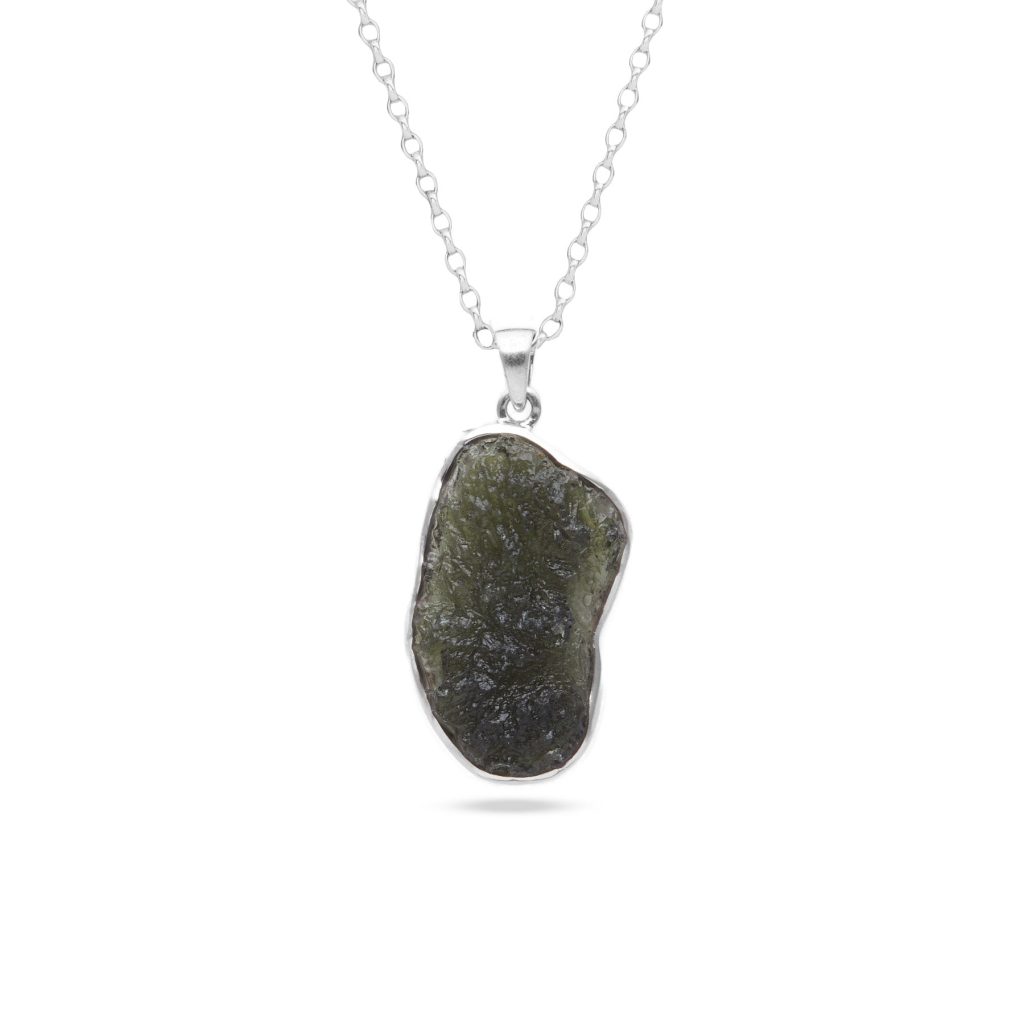
The concept of the “Moldavite Flush” is frequently mentioned in modern discussions. This term refers to sensations such as warmth, tingling, pressure, or emotional intensity that some individuals report when first holding Moldavite. While these experiences are subjective and rooted in belief rather than science, they have played a significant role in shaping Moldavite’s reputation as a powerful and transformative stone.
Symbolically, Moldavite is often associated with the heart and crown chakras, representing a bridge between emotional awareness and higher consciousness. It is believed to encourage authenticity, self-alignment, and the release of outdated patterns. For many, Moldavite represents not comfort, but clarity—sometimes arriving in unexpected or challenging ways.
Discussions of Moldavite healing properties are firmly grounded in spiritual and energetic belief systems rather than medical science. Within these traditions, Moldavite is not viewed as a healing stone in the conventional sense. Instead, it is believed to accelerate inner processes, making it easier to confront emotional blockages, limiting beliefs, or unresolved experiences.
Moldavite is commonly used in meditation practices aimed at self-discovery, intuition enhancement, and spiritual exploration. Some practitioners believe it helps deepen meditation states, increase awareness, and facilitate access to higher levels of consciousness. Others view it as a protective stone, believed to shield the user from negative influences or energetic attachments.
Because Moldavite is often described as intense, many experienced practitioners recommend using it with intention and balance. It is frequently paired with grounding stones such as black tourmaline or hematite to stabilize its effects. This approach reflects a broader understanding that Moldavite is not universally suitable, but rather a stone that demands readiness and awareness from the individual working with it.
As interest in Moldavite has grown, so has the prevalence of fake material on the market. Because authentic Moldavite is found only in limited regions of the Czech Republic and is no longer being formed, its supply is strictly finite. This scarcity has driven prices upward and created strong incentives for imitation.
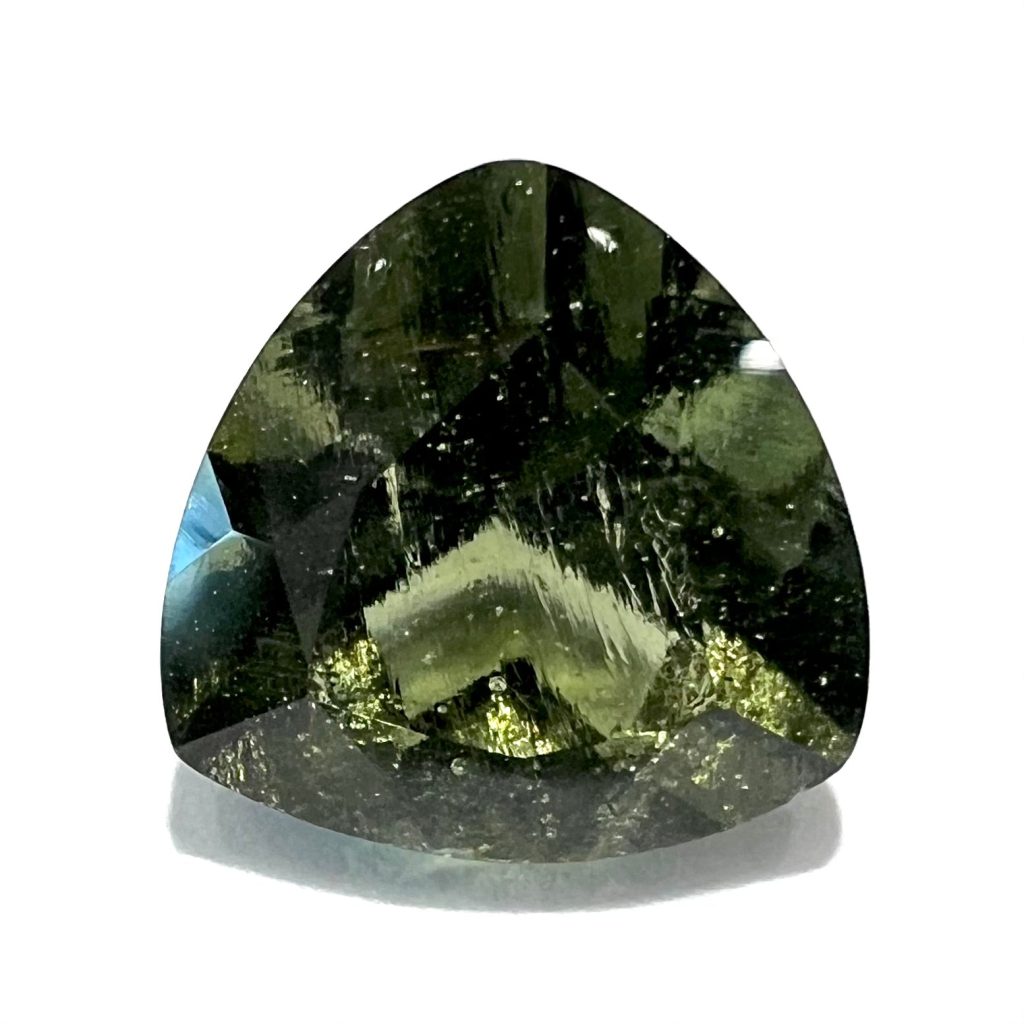
Most fake Moldavite is made from green glass, often produced in factories and artificially shaped to resemble natural specimens. While some imitations may appear convincing at first glance, several key differences can help distinguish genuine Moldavite vs fake pieces. Authentic Moldavite typically has irregular, sharply sculpted surfaces rather than smooth or rounded shapes. Its color appears natural and earthy, not overly bright or neon. Under magnification, genuine Moldavite reveals elongated gas bubbles and lechatelierite inclusions, while fake glass often contains perfectly round air bubbles or appears completely uniform.
Weight is another important factor. Moldavite is generally lighter than man-made glass of similar size due to its internal structure. Perhaps the most obvious indicator, however, is price. Moldavite price per gram reflects its rarity, quality, and demand. Offers that seem unusually cheap almost always indicate imitation, as authentic Moldavite commands a relatively high market value.
The price of Moldavite has increased significantly over the past decade, driven by growing global interest and limited supply. Moldavite price per gram varies depending on factors such as color, clarity, surface sculpting, size, and provenance. Lower-quality pieces may sell for tens of dollars per gram, while high-quality specimens with deep color and pronounced sculpting can command much higher prices.
Market trends suggest that Moldavite prices are likely to continue rising over time. As remaining deposits become harder to access and demand continues to grow, authentic Moldavite is increasingly viewed as both a collectible material and a geological rarity. This has further emphasized the importance of ethical sourcing and careful verification when acquiring Moldavite.
In the modern world, Moldavite exists at a unique intersection of science, history, and spirituality. To geologists, it is a valuable example of impact-related natural glass and a key piece of evidence for understanding ancient meteorite events. To historians and anthropologists, it represents a material that has inspired myth, symbolism, and cultural tradition for thousands of years. To contemporary enthusiasts, it embodies transformation, cosmic connection, and personal evolution.
Social media has played a significant role in Moldavite’s recent surge in popularity. Stories of sudden life changes, intense experiences, and spiritual awakenings have captured public imagination, sometimes blurring the line between genuine belief and exaggerated narrative. While individual experiences vary widely, the fascination with Moldavite reflects a broader human desire to connect with something larger than everyday reality.
Ultimately, Moldavite’s enduring appeal lies in its story. It is not simply a green stone or a fashionable crystal. It is a fragment of Earth’s deep past, shaped by a moment when the planet was struck by forces from beyond. Whether approached through science, history, or spiritual belief, Moldavite invites reflection on humanity’s place within a vast and interconnected universe.
As Moldavite has gained international attention, scientific testing has become increasingly important for authentication. While visual inspection can often identify obvious fakes, professional analysis provides definitive confirmation. Gemologists and mineralogists commonly use refractive index testing, density measurement, and microscopic examination to verify authenticity. Genuine Moldavite has a refractive index consistent with natural tektites and a lower density than most manufactured glass.
Advanced laboratories may also use spectroscopic analysis or X-ray fluorescence (XRF) testing to determine elemental composition. These methods can detect trace elements unique to Moldavite and distinguish it from artificial glass or other green tektite imitations. One of the most telling indicators remains the presence of lechatelierite inclusions, which form only under extremely high temperatures and rapid cooling—conditions that are nearly impossible to replicate in industrial glass production.
Despite these tools, it is important to note that authentication is rarely based on a single test. Instead, experts rely on a combination of physical, chemical, and structural characteristics. This layered approach reflects the complexity of Moldavite’s origin and underscores why genuine specimens command such high value in the global market.
Although Moldavite is often discussed as a single material, subtle regional differences exist depending on where it was found. Moldavite from South Bohemia, for example, is often prized for its deeper green color and more dramatic surface sculpting. These pieces frequently display pronounced ridges and sharp textures, making them especially attractive to collectors.
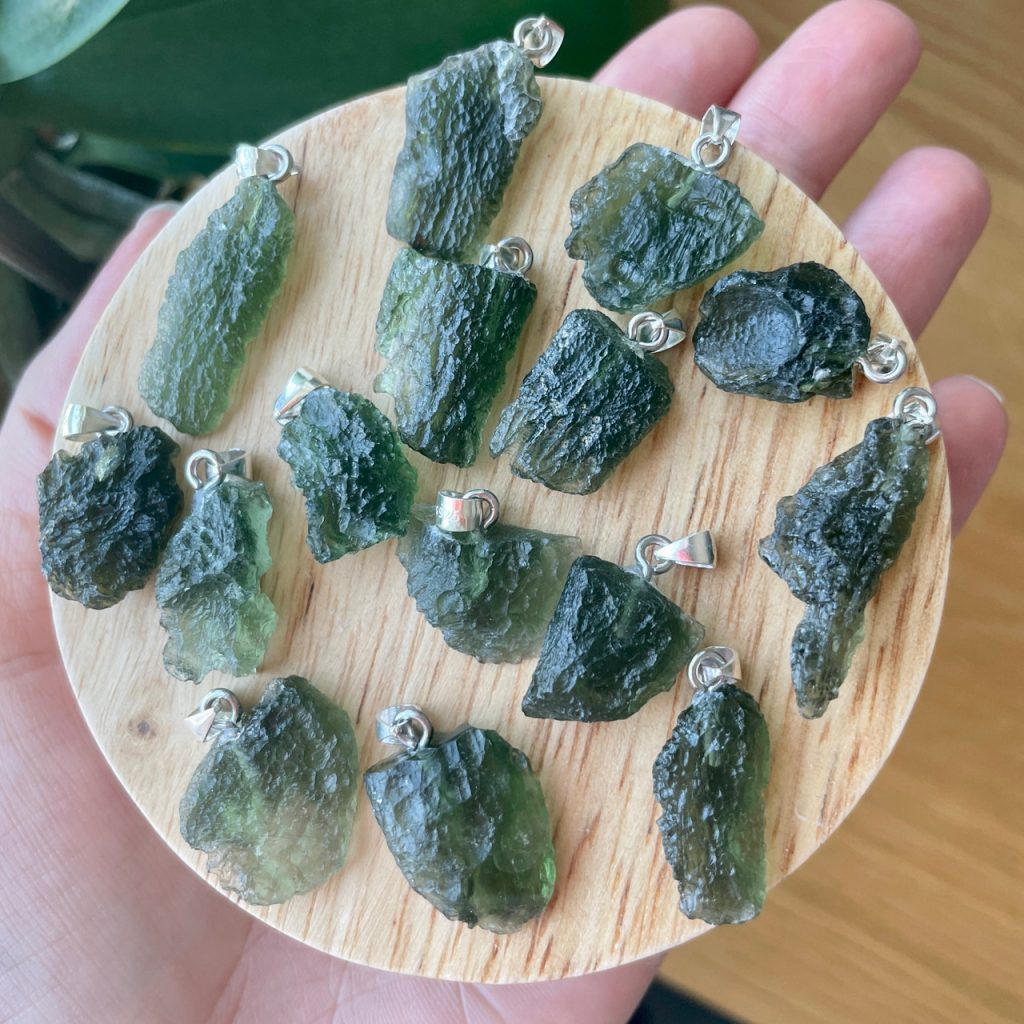
Moravian Moldavite, found in eastern regions of the Czech Republic, tends to be lighter in color and smoother in surface texture. While still authentic, Moravian specimens are sometimes perceived as less visually striking, which can affect market value. However, some collectors appreciate these subtler features, particularly when inclusions are well-preserved and internal clarity is high.
These regional differences are not artificial classifications but the result of variations in cooling, erosion, and environmental exposure over millions of years. Understanding them provides deeper insight into Moldavite’s geological journey and helps explain why no two pieces ever look exactly the same.
Beyond spiritual and metaphysical communities, Moldavite has become increasingly popular among serious mineral and gemstone collectors. Its limited geographic origin, extraterrestrial formation, and finite supply make it especially appealing as a long-term collectible. Unlike many gemstones that can still be mined or synthesized, Moldavite is no longer being created by natural processes, and existing deposits are steadily diminishing.
Collectors often prioritize specimens with documented provenance, particularly those sourced from well-known Czech localities. Size, surface sculpting, color saturation, and internal features all play a role in determining desirability. Larger pieces with strong sculpting are especially rare and often held in private collections rather than entering the commercial market.
From a collector’s perspective, Moldavite occupies a space similar to rare meteorites or historically significant minerals. Its value is tied not only to aesthetics but also to its scientific and cultural narrative. As awareness grows, Moldavite is increasingly viewed as a material worth preserving rather than consuming.
As Moldavite demand has increased, ethical sourcing has become an important issue. Most Moldavite is recovered through small-scale excavation rather than large industrial mining. While this reduces environmental impact, unregulated digging can still disturb local ecosystems and archaeological sites.
Responsible sourcing emphasizes transparency, legal compliance, and respect for land use regulations in the Czech Republic. Ethical sellers often provide information about where and how their Moldavite was obtained, helping buyers make informed decisions. This approach not only protects remaining deposits but also preserves Moldavite’s cultural and geological heritage.
Environmental considerations are especially important given Moldavite’s finite nature. Once existing deposits are exhausted, no new Moldavite will ever form. This reality adds urgency to conversations about conservation and responsible stewardship.
Although Moldavite is relatively durable, it requires thoughtful care due to its glassy nature. With a Mohs hardness between 5.5 and 7, it can be scratched by harder materials and damaged by sharp impacts. Collectors and enthusiasts are generally advised to store Moldavite separately from harder gemstones and avoid prolonged exposure to abrasive surfaces.
Cleaning Moldavite should be done gently, using lukewarm water and a soft cloth. Harsh chemicals, ultrasonic cleaners, and steam cleaning are not recommended, as they can damage the surface or internal structure. For those who use Moldavite in spiritual practices, care routines often include symbolic cleansing methods, such as moonlight exposure or sound vibrations, though these are rooted in belief rather than science.
Proper care helps preserve both the physical integrity and long-term value of Moldavite, particularly for high-quality or historically significant specimens.
In recent years, Moldavite has experienced a surge in popularity driven largely by social media platforms. Stories of dramatic personal transformation, sudden life changes, and intense emotional experiences have captured public attention. While some narratives may be exaggerated, they reflect a broader cultural fascination with materials that symbolize change and connection to something beyond the ordinary.
This surge has had both positive and negative effects. On one hand, it has increased public awareness of Moldavite’s scientific and historical significance. On the other, it has contributed to misinformation and unrealistic expectations, particularly among first-time users. Understanding Moldavite within its proper geological and cultural context helps balance fascination with informed perspective.
Moldavite is sometimes compared to other impact-related materials, such as Libyan Desert Glass or certain meteorites. While these materials share a cosmic origin, Moldavite remains unique due to its color, translucency, and limited geographic distribution. Libyan Desert Glass, for example, is typically yellow and opaque, while Moldavite’s green translucence sets it apart visually and symbolically.
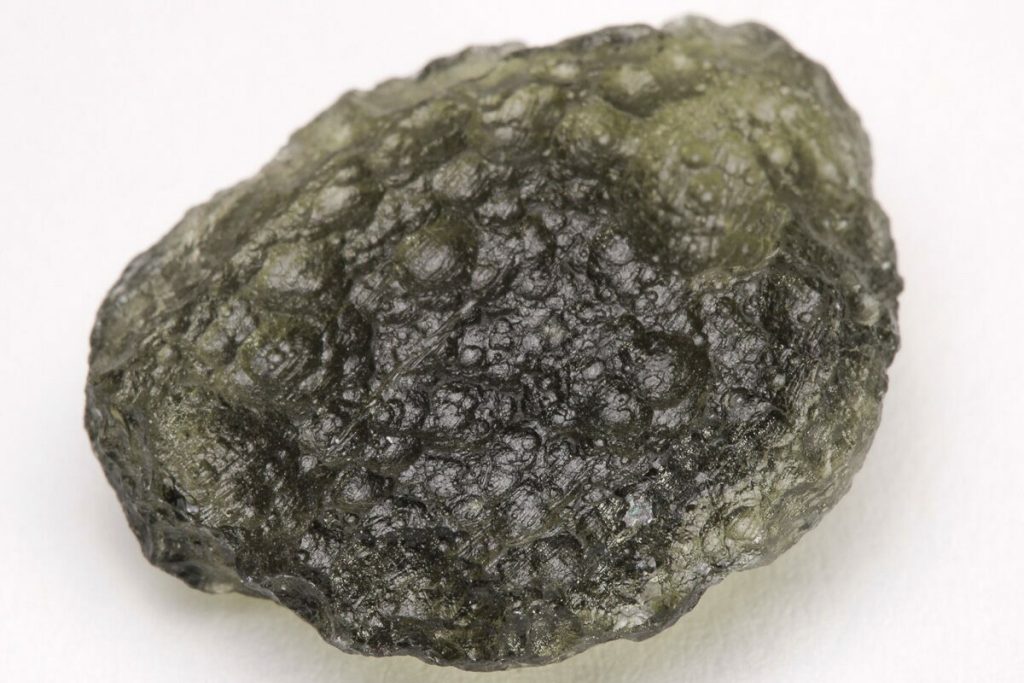
These comparisons highlight Moldavite’s distinct position among impact materials. It is not merely a byproduct of cosmic collision, but a substance that has become deeply embedded in human culture, symbolism, and storytelling.
Moldavite is not universally appealing, nor is it intended to be. Its intensity—whether understood scientifically, symbolically, or spiritually—makes it better suited for individuals seeking depth rather than decoration. Collectors value it for its rarity and origin, researchers for its geological insight, and spiritual practitioners for its symbolic association with transformation.
At the same time, Moldavite invites caution. Its finite supply, susceptibility to imitation, and strong cultural narratives mean that thoughtful engagement is essential. Approaching Moldavite with curiosity, respect, and critical thinking allows it to be appreciated without falling into exaggeration or misuse.
Moldavite endures because it exists at the intersection of Earth and cosmos, science and myth, material and meaning. It is a physical reminder that our planet has been shaped by forces far beyond its surface and that traces of those events remain within reach. Whether examined under a microscope, held as a historical artifact, or contemplated as a symbol of transformation, Moldavite continues to inspire fascination.
Ultimately, understanding what Moldavite truly is—geologically, historically, and culturally—allows it to be appreciated on its own terms. It is not simply a green stone or a fleeting trend, but a rare witness to an ancient cosmic event that left a lasting mark on both Earth and human imagination.