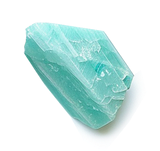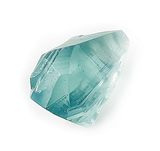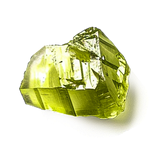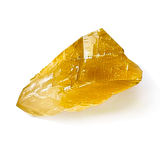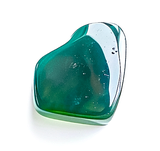
Chrysocolla is a striking copper-bearing mineral admired for its vivid blue and green colors that resemble tropical oceans and desert landscapes. Although often confused with turquoise or malachite, chrysocolla has its own unique geological identity and gemological properties. It is prized both by mineral collectors and jewelry designers for its vibrant appearance and natural artistic patterns.
This gemstone forms in the oxidation zones of copper deposits and is frequently found associated with other copper minerals. Because of its softness and delicate structure, chrysocolla is most commonly cut into cabochons or used in decorative objects rather than faceted gemstones.
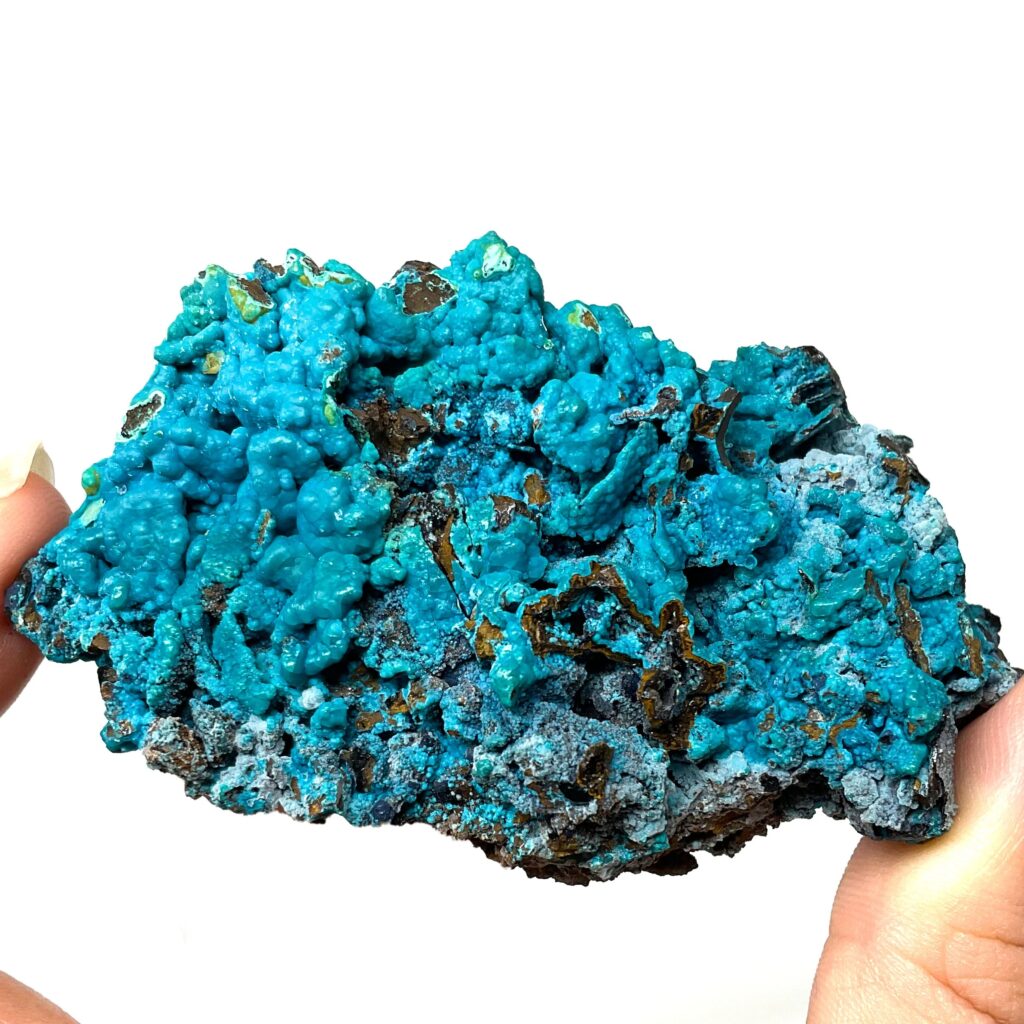
Chrysocolla is a hydrated copper silicate mineral, commonly represented by the approximate chemical formula:
(Cu,Al)₂H₂Si₂O₅(OH)₄·nH₂O
However, chrysocolla’s structure is complex and often poorly crystalline. In many specimens it occurs as a gel-like or microcrystalline mixture with other copper minerals such as:
This mixing often creates beautiful multicolored stones with swirling blue-green patterns.
| Property | Description |
|---|---|
| Mineral Class | Copper silicate |
| Color | Blue, green, turquoise, cyan |
| Hardness (Mohs) | 2 – 4 |
| Luster | Vitreous to dull |
| Transparency | Opaque to translucent |
| Crystal System | Amorphous to microcrystalline |
| Cleavage | None |
| Fracture | Conchoidal to uneven |
| Specific Gravity | 1.9 – 2.4 |
Because of its low hardness, chrysocolla is considered a delicate gemstone and requires protective settings when used in jewelry.
The intense colors of chrysocolla are primarily derived from its high copper content, resulting in a vibrant palette that ranges from sky blue and deep turquoise to sea-green and complex teal or blue-green mixtures. Beyond its uniform hues, chrysocolla often forms in association with quartz, creating dramatic, multi-textured patterns; when this intergrowth results in the quartz effectively stabilizing the chrysocolla matrix, the resulting material is known as “Gem Silica.” This specific variety is highly prized in the gem trade because the quartz imparts a significantly higher degree of hardness and durability, transforming the typically soft, porous mineral into a gem-quality stone characterized by exceptional translucency and a captivating depth of color.
Chrysocolla is found in copper-rich mining regions globally, with significant deposits located in Arizona, Peru, Chile, Israel, and the Democratic Republic of the Congo. Among these locations, Arizona is particularly renowned for producing high-quality gem silica, a stabilized variety of chrysocolla that ranks as one of the most valuable and sought-after forms of the mineral in the gem trade.
Due to its inherent softness, chrysocolla is primarily utilized in the following jewelry formats:
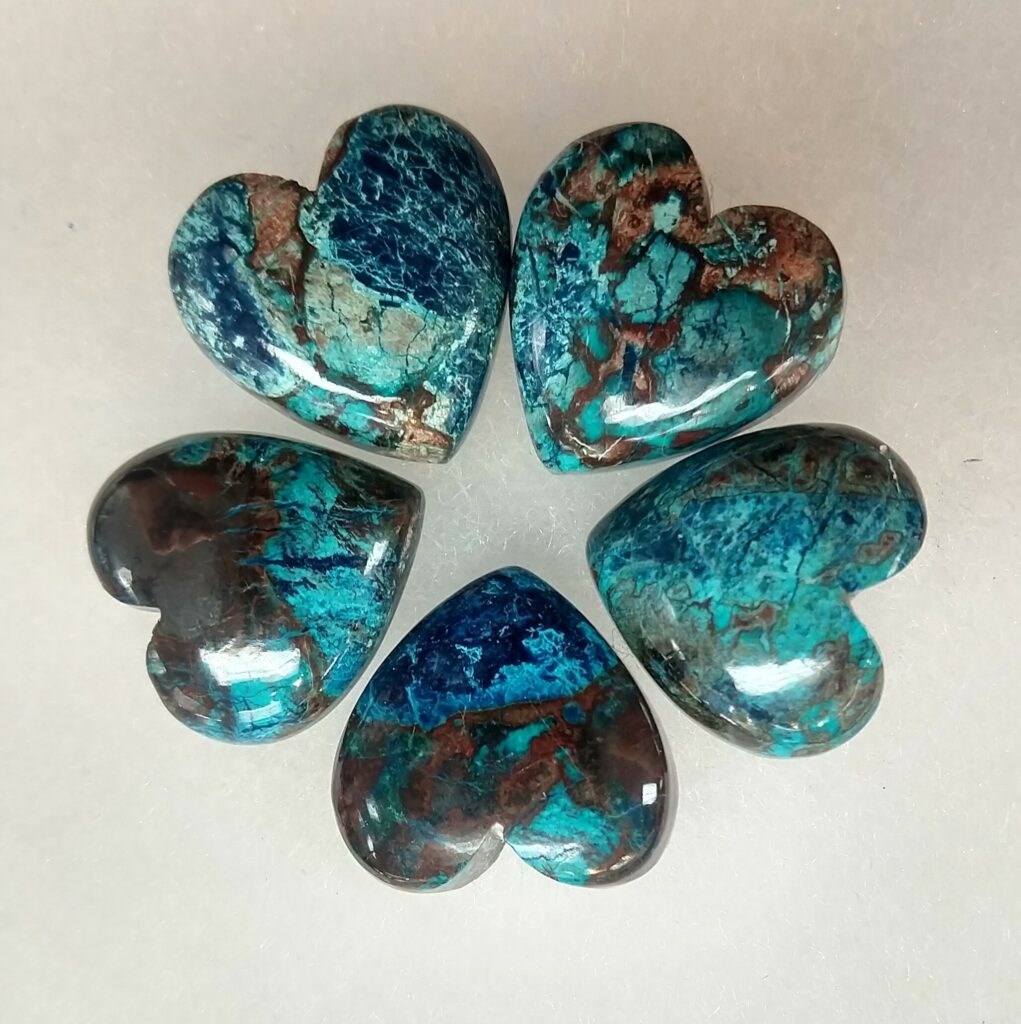
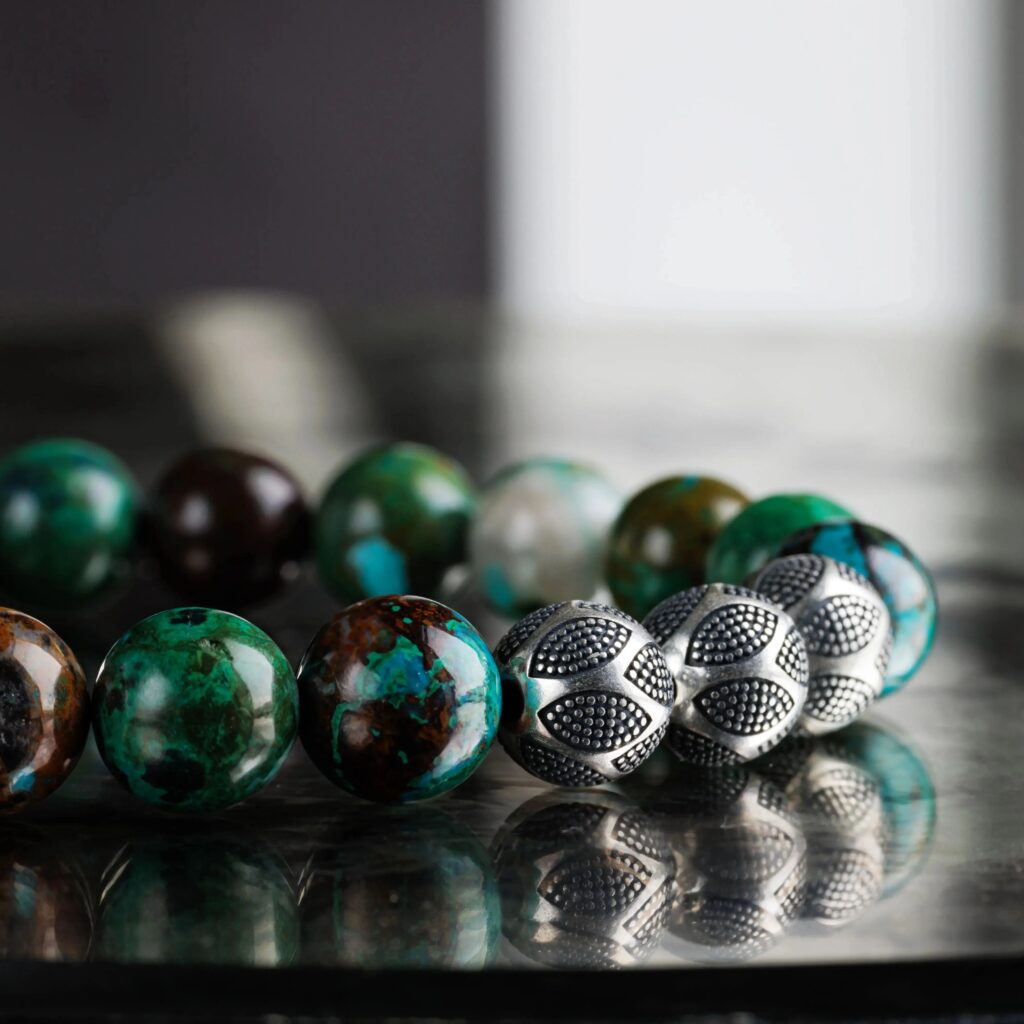
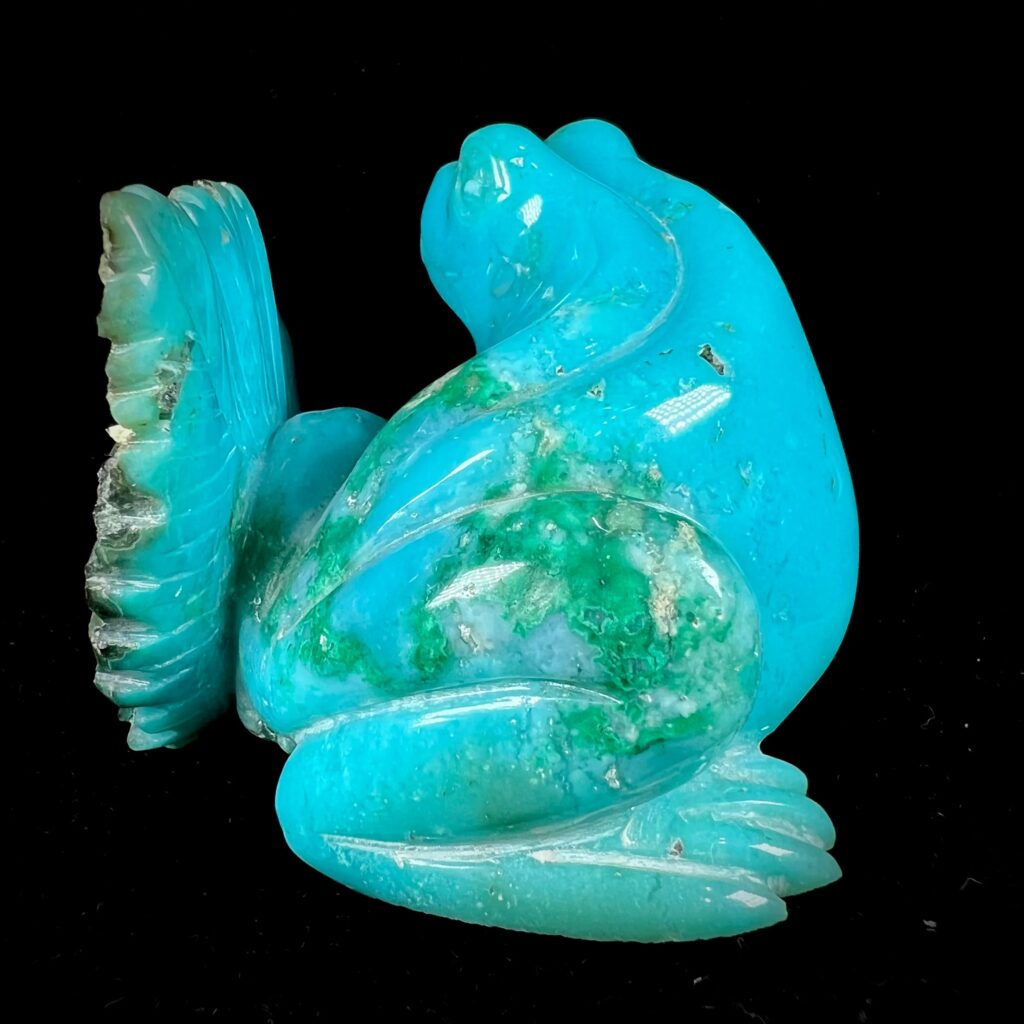
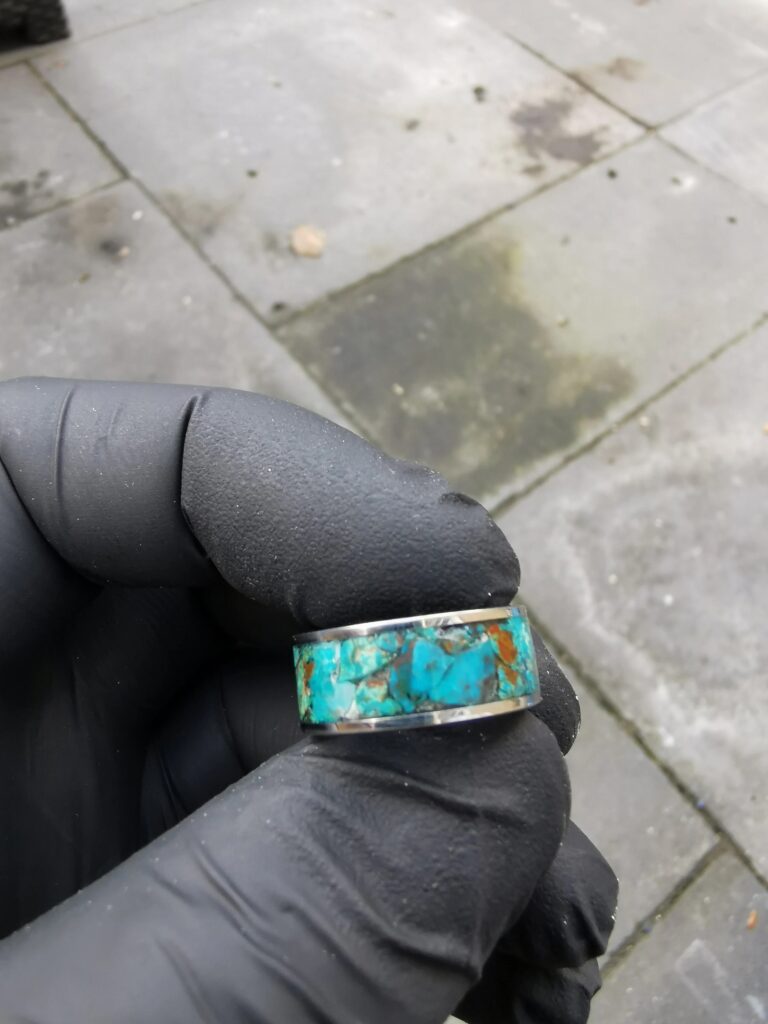
Jewelry designers frequently pair chrysocolla with silver settings, which beautifully complement and emphasize its ocean-like hues. For pieces subjected to daily wear—such as rings and bracelets—designers prefer using stabilized material or “gem silica” (chrysocolla-in-quartz) varieties to ensure the necessary durability for long-term use.
Chrysocolla requires careful handling because it is relatively soft and porous.
Recommended care guidelines:
| Care Method | Recommendation |
|---|---|
| Cleaning | Use warm water and mild soap |
| Ultrasonic Cleaner | Avoid |
| Steam Cleaning | Avoid |
| Storage | Store separately to prevent scratches |
| Chemicals | Avoid exposure to acids and harsh cleaners |
Because of its fragile nature, chrysocolla jewelry should be worn occasionally rather than daily.
The market value of chrysocolla is determined by several key factors, including the intensity of its color, the visual appeal of its patterns, its size, and the overall quality of the polish. Furthermore, the presence of quartz significantly influences pricing; specifically, “gem silica” varieties are considered the most valuable form of the mineral. Due to its superior durability and distinctive bright translucency, gem silica chrysocolla frequently commands a significantly higher price point in the market compared to ordinary, non-stabilized chrysocolla.
Chrysocolla is one of the most visually captivating copper minerals, known for its brilliant blue-green hues and natural artistic patterns. Although softer than many gemstones, its beauty and rarity—especially in the form of gem silica—make it a treasured material for collectors and jewelry lovers alike.
For those fascinated by colorful minerals formed by copper deposits, chrysocolla offers a remarkable example of how geology can produce gemstones that resemble miniature landscapes and ocean scenes.
Yes. Chrysocolla is considered a genuine gemstone, although it is relatively soft compared to traditional gems like Diamond or Sapphire. Because of its delicate structure, it is most commonly used in pendants, earrings, and decorative jewelry rather than rings intended for everyday wear.
Chrysocolla typically appears in shades of:
Its color comes from copper content, similar to minerals like Turquoise. Some specimens display beautiful swirling patterns when mixed with other copper minerals.
Chrysocolla occurs in copper-rich mining areas around the world. Major sources include:
Arizona deposits are particularly known for producing high-quality chrysocolla within quartz.
Gem silica is the most valuable variety of chrysocolla. In this form, chrysocolla is naturally encapsulated within transparent or translucent quartz. The quartz strengthens the material and gives it greater durability and brilliance.
This variety is commonly referred to as Gem Silica and is highly sought after by collectors and jewelers.
On the Mohs hardness scale, chrysocolla typically ranges between 2 and 4. This makes it much softer than common gemstones like Quartz (hardness 7). Because of this softness, chrysocolla jewelry should be worn carefully to prevent scratching or damage.
Chrysocolla can often be recognized by its:
However, it may sometimes be confused with Turquoise or Malachite,
Most chrysocolla is moderately priced, depending on color quality and pattern. However, high-quality gem silica chrysocolla can be significantly more valuable because it is rarer, more durable, and often translucent.