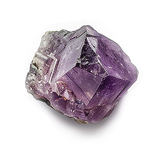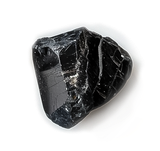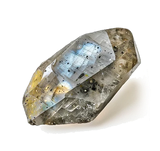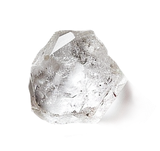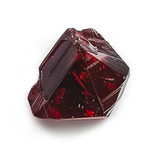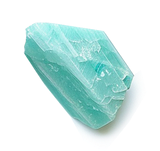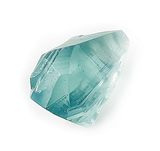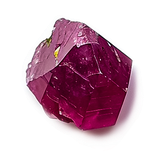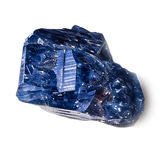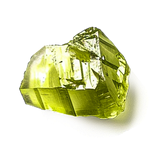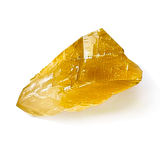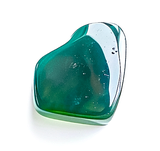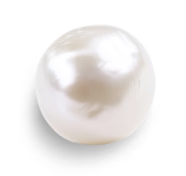
For those born in the heart of spring, the month of April, their birthstone is as timeless as it is brilliant. The April birthstone is the Diamond, a gemstone that has captured human imagination for millennia. Symbolizing eternal love, strength, and invincibility, the diamond is not just a piece of jewelry; it is a cultural icon.
The primary birthstone for April is the Diamond. While some months have multiple birthstones (like June or December), April is almost exclusively associated with the diamond in modern Western culture.
| Feature | Description |
| Primary Gemstone | Diamond |
| Mineral Species | Carbon |
| Mohs Hardness | 10 (The hardest natural substance) |
| Symbolism | Love, Purity, Courage, Eternity |
| Alternative Birthstone | White Quartz (Rock Crystal) |
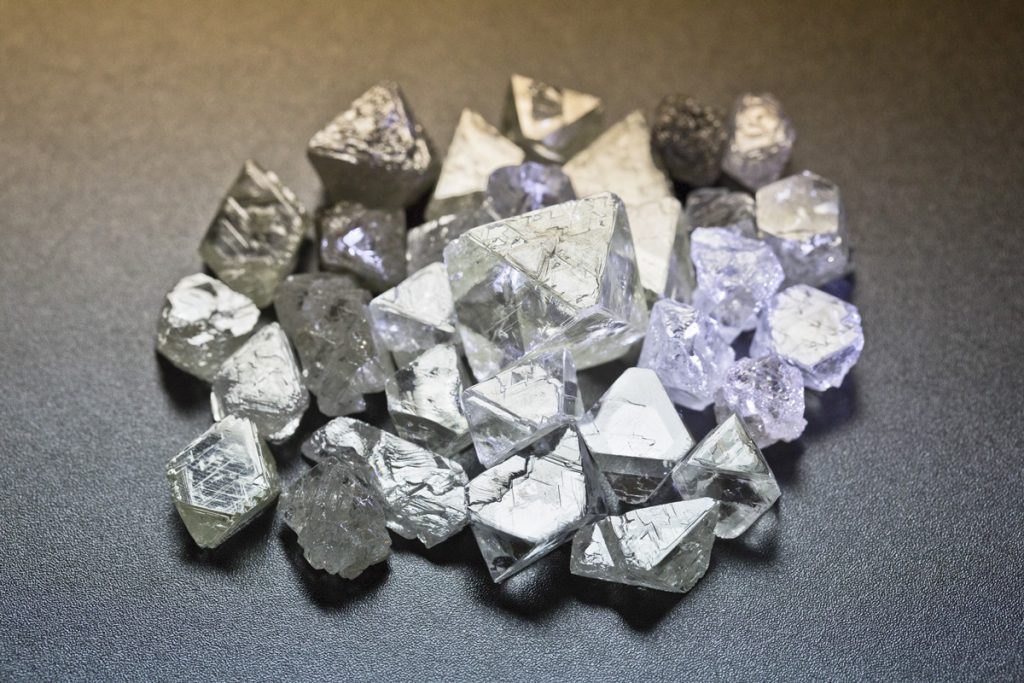
The journey of the diamond from deep within the Earth to a polished ring is nothing short of miraculous.
Diamonds are formed approximately 100 miles below the Earth’s surface under intense heat and pressure. They are composed of a single element: Carbon. Through volcanic eruptions, these stones are brought closer to the surface in “pipes” of rock called kimberlite.
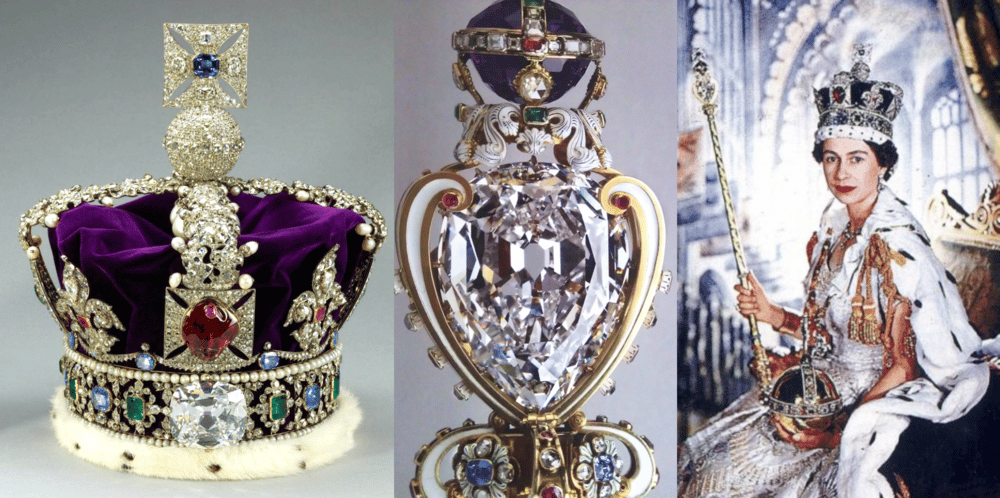
Why is the diamond the perfect representative for April? The symbolism is as multifaceted as the stone itself.
Since the first recorded diamond engagement ring was given by Archduke Maximilian of Austria in 1477, the stone has been the ultimate symbol of marriage. Its durability reflects the “forever” nature of a vow.
Being colorless and transparent, the April birthstone is often associated with clarity of mind and purity of soul. It is believed to help the wearer see situations with honesty and objectivity.
In the Middle Ages, diamonds were thought to have healing powers. People believed they could cure brain diseases, draw out toxins from the blood, and even protect the wearer from “the evil eye” or madness.
To truly appreciate the April birthstone, one must understand what makes it physically unique.
The diamond ranks as a 10 on the Mohs scale. This means it is 58 times harder than any other mineral in nature. Only a diamond can scratch another diamond. This makes it ideal for everyday wear, such as in rings.
Diamonds have a high Refractive Index (2.417). This is why they sparkle so intensely. They also have high dispersion, which is the ability to split white light into the colors of the rainbow (often called “fire”).
The chemical formula for diamond is simply $C$ (Carbon). Its atoms are arranged in a crystal structure called a “diamond cubic,” which provides its immense strength.
If you are buying a diamond for an April birthday, you must understand the industry standard for quality: the 4Cs.
| Parameter | Grades / Scale | Description |
|---|---|---|
| Clarity | FL (Flawless), IF (Internally Flawless), VVS1, VVS2, VS1, VS2, SI1, SI2, I1, I2, I3 | Measures the presence of inclusions or blemishes. FL/IF are perfect; I1–I3 have visible inclusions. |
| Color | D (colorless) → Z (light yellow/brown) | Evaluates the absence of color. D is completely colorless, Z shows noticeable tint. |
| Cut | Excellent, Very Good, Good, Fair, Poor | Determines how well the diamond’s facets interact with light. Affects sparkle and brilliance. |
| Carat Weight | 0.01 – 5+ ct | The weight of the diamond. Higher carat usually means larger size, but not always better quality. |
| Shape | Round, Princess, Emerald, Oval, Marquise, Pear, Heart, Cushion | The geometric form of the diamond. Round is most popular for brilliance. |
| Other Factors | Fluorescence, Polish, Symmetry | Fluorescence can affect appearance; polish and symmetry impact overall quality and sparkle. |
The cut is the most important factor. It doesn’t refer to the shape (like pear or round) but to how well the facets interact with light.
Diamonds are graded on a scale from D (Colorless) to Z (Light Yellow/Brown).
Since diamonds are formed under extreme pressure, they often have internal “inclusions” or external “blemishes.”
This measures the diamond’s weight, not necessarily its size. One carat equals 200 milligrams.
While the diamond is the king of April, not everyone wants a diamond due to price or personal style.
White Topaz is a popular and affordable alternative. It offers a similar clear look but lacks the “fire” and hardness (Mohs 8) of a diamond.
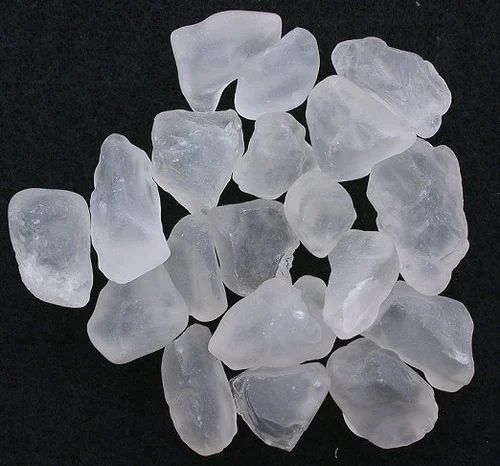
In some ancient calendars, White Quartz was the April birthstone. It symbolizes patience and focus and is much more accessible for larger statement pieces.
The April birthstone stands as a testament to the beauty and resilience of nature. Whether you value the diamond for its scientific marvel, its historical weight, or its sheer aesthetic brilliance, it remains the most coveted gemstone in the world. For those lucky enough to be born in April, wearing a diamond is a connection to a tradition that spans thousands of years.