In recent decades, plant-based diets have gained remarkable popularity due to their proven health benefits, environmental sustainability, and ethical considerations. Among all plant-derived protein sources, soy and tofu stand out as two of the most widely consumed and nutritionally valuable options. While closely related, soy and tofu differ in form, processing, culinary use, and nutritional characteristics.
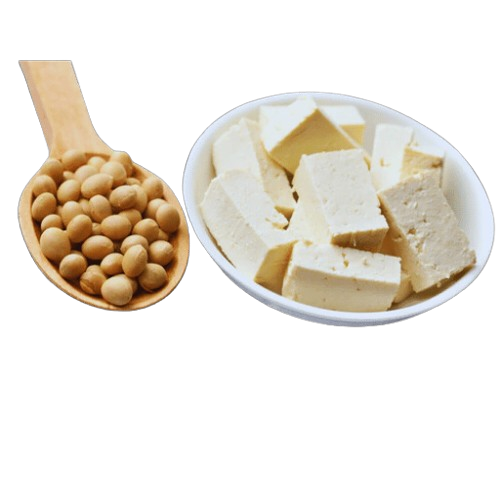
This comprehensive guide explores soy and tofu as protein sources, covering their nutritional profiles, health benefits, potential concerns, and practical uses. Whether you are transitioning to a vegetarian or vegan diet, aiming to reduce your environmental footprint, or simply seeking healthier protein alternatives, understanding the role of soy and tofu can help you make informed dietary choices.
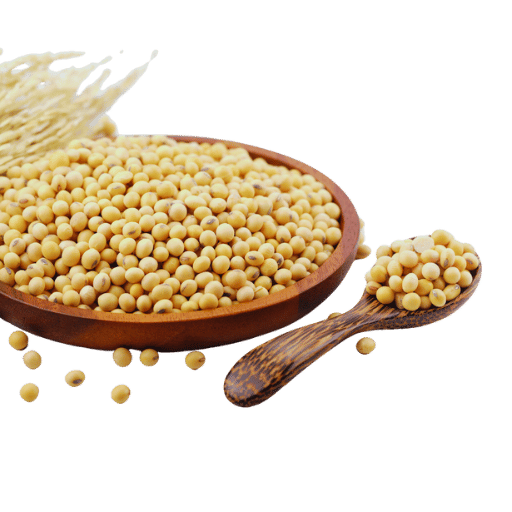
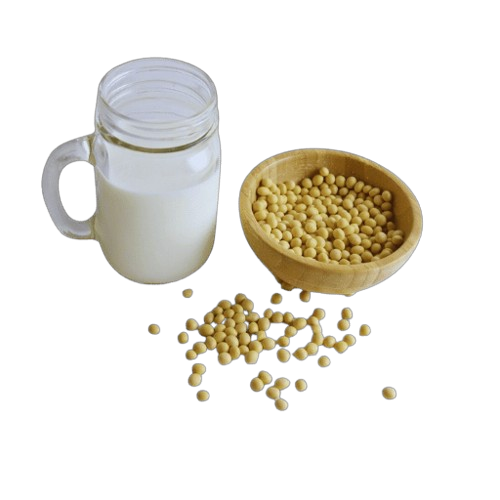
Soy comes from the soybean (Glycine max), a legume native to East Asia that has been cultivated for thousands of years. Today, soybeans are one of the most versatile and economically important crops in the world.
Soybeans are used to produce a wide range of foods, including soy sauce, soy milk, tofu, tempeh, miso, soy oil, textured vegetable protein, and soy protein isolates. Beyond food, soy also plays a role in animal feed production and is used in industrial applications such as biodiesel, plastics, pharmaceuticals, and cosmetics.
What makes soy especially valuable nutritionally is its high protein content and complete amino acid profile, which is rare among plant foods. This unique combination makes soy an essential ingredient in both human diets and global food systems.
Soybeans come in several varieties, commonly classified by seed coat color: yellow, black, green, and brown.
All soybean varieties contain all nine essential amino acids, making them complete proteins. Additionally, soybeans contribute to sustainable agriculture by enriching soil nitrogen levels when used in crop rotation.
Soy protein is widely recognized as one of the best plant-based alternatives to animal protein. Nutrition organizations often highlight soy as a cornerstone protein source for vegetarians and vegans.
Soybeans contain approximately 35–40% protein, and soy-based foods provide essential amino acids necessary for muscle maintenance, tissue repair, and overall metabolic health. Research suggests that individuals who regularly consume soy tend to consume less saturated fat while increasing their intake of fiber, vitamins, and minerals.
Soy protein is particularly beneficial for individuals focused on heart health, weight management, and active lifestyles, making it a modern dietary staple for balanced nutrition.
Soy is available in many forms, each offering unique nutritional and culinary benefits:
These products allow soy to be easily incorporated into a wide variety of diets and cuisines.
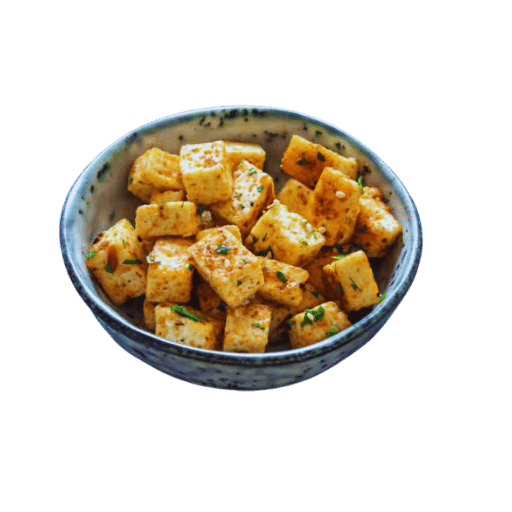
Tofu production begins with soaking and grinding soybeans to produce soy milk. The soy milk is then heated and mixed with natural coagulants such as calcium sulfate or magnesium chloride, causing the proteins and fats to form curds.
These curds are pressed into molds, with varying pressure levels determining the tofu’s firmness. Once set, the tofu is cut, packaged, and ready for consumption.
Tofu is categorized primarily by texture:
Each type serves a specific culinary purpose, making tofu one of the most adaptable plant-based ingredients.
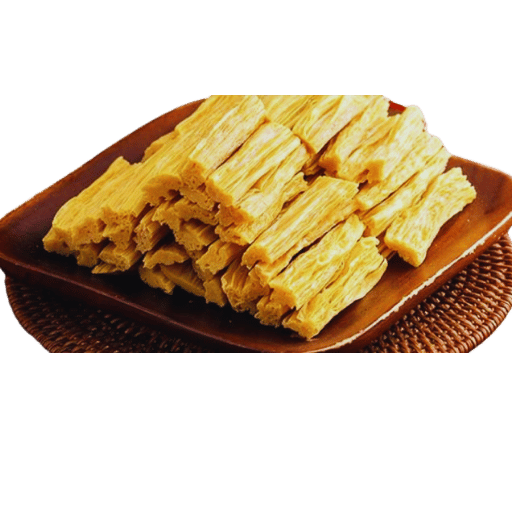
Tofu is a highly efficient plant-based protein source, containing 10–15 grams of protein per serving, depending on firmness. It provides all nine essential amino acids, making it nutritionally comparable to animal protein.
In addition to protein, tofu is naturally cholesterol-free, low in saturated fat, and rich in important minerals such as calcium and iron. These qualities make tofu a heart-healthy option suitable for a wide range of dietary patterns.
A complete protein contains all nine essential amino acids in adequate amounts. While most plant proteins are incomplete, soybeans and tofu are notable exceptions.
Because tofu is derived directly from soybeans, it retains soy’s complete amino acid profile. This eliminates the need to combine multiple protein sources to achieve nutritional completeness, which is especially beneficial for vegans and vegetarians.
Soy protein isolate is a highly processed form of soy protein with minimal fat and carbohydrates. It is commonly used in protein powders and sports nutrition products.
Whole soy foods like tofu provide not only protein but also fiber, vitamins, minerals, and antioxidants. While isolates can be useful for targeted protein supplementation, whole soy foods offer broader health benefits.
Numerous studies show that consuming soy protein can help lower total and LDL (“bad”) cholesterol levels. Soy contains unsaturated fats, fiber, and bioactive compounds that support cardiovascular health.
Whole soy foods, such as tofu, are particularly effective because they deliver these compounds in a natural, balanced form.
Soy contains isoflavones, a class of phytoestrogens that mimic estrogen weakly in the body. These compounds have been associated with reduced menopausal symptoms, improved bone health, and lower risks of certain cancers, including breast and prostate cancer.
Isoflavones also act as antioxidants, helping reduce inflammation and oxidative stress. For most people, moderate soy consumption is safe and beneficial.
Concerns about soy affecting thyroid function stem from its goitrogen content. However, research indicates that soy does not negatively affect thyroid health in individuals with adequate iodine intake and normal thyroid function.
People with existing thyroid conditions should consult healthcare professionals but generally do not need to avoid soy entirely.
Common myths suggest soy disrupts hormones or increases cancer risk. Current scientific evidence does not support these claims. In fact, moderate soy consumption is associated with protective health effects in both men and women.
As with all foods, balance and moderation are key.
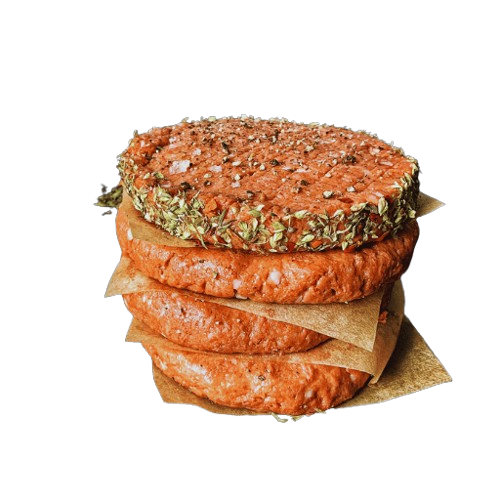
Soy protein remains a cornerstone ingredient in many plant-based meat alternatives due to its texture, protein quality, and affordability. Soy isolates and concentrates allow manufacturers to replicate the taste and mouthfeel of meat effectively.
Soy offers a complete protein profile, zero cholesterol, low saturated fat, and a significantly lower environmental footprint compared to animal meat. These qualities make soy one of the most sustainable and nutritionally viable meat alternatives available.
While tofu is made from soy milk curds, tempeh is produced by fermenting whole soybeans. Fermentation increases fiber content, enhances nutrient absorption, and introduces beneficial probiotics.
Tempeh has a firmer texture and stronger flavor, while tofu is milder and more versatile. Both are excellent protein sources, and the choice depends on taste preference and dietary needs.
Q: What is the difference between soy and tofu?
A: Soy refers to soybeans and all soy-based products, while tofu is a specific food made by coagulating soy milk.
Q: Are soy and tofu complete proteins?
A: Yes, both contain all nine essential amino acids.
Q: Are soy and tofu healthy?
A: Yes. They support heart health, provide high-quality protein, and supply essential minerals.
Q: Is soy protein comparable to animal protein?
A: Soy protein is one of the closest plant-based equivalents to animal protein in quality.
Q: Should soy intake be limited?
A: Moderate consumption is considered safe for most people. Those with specific health conditions should consult a healthcare provider.