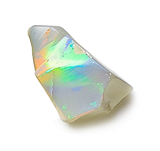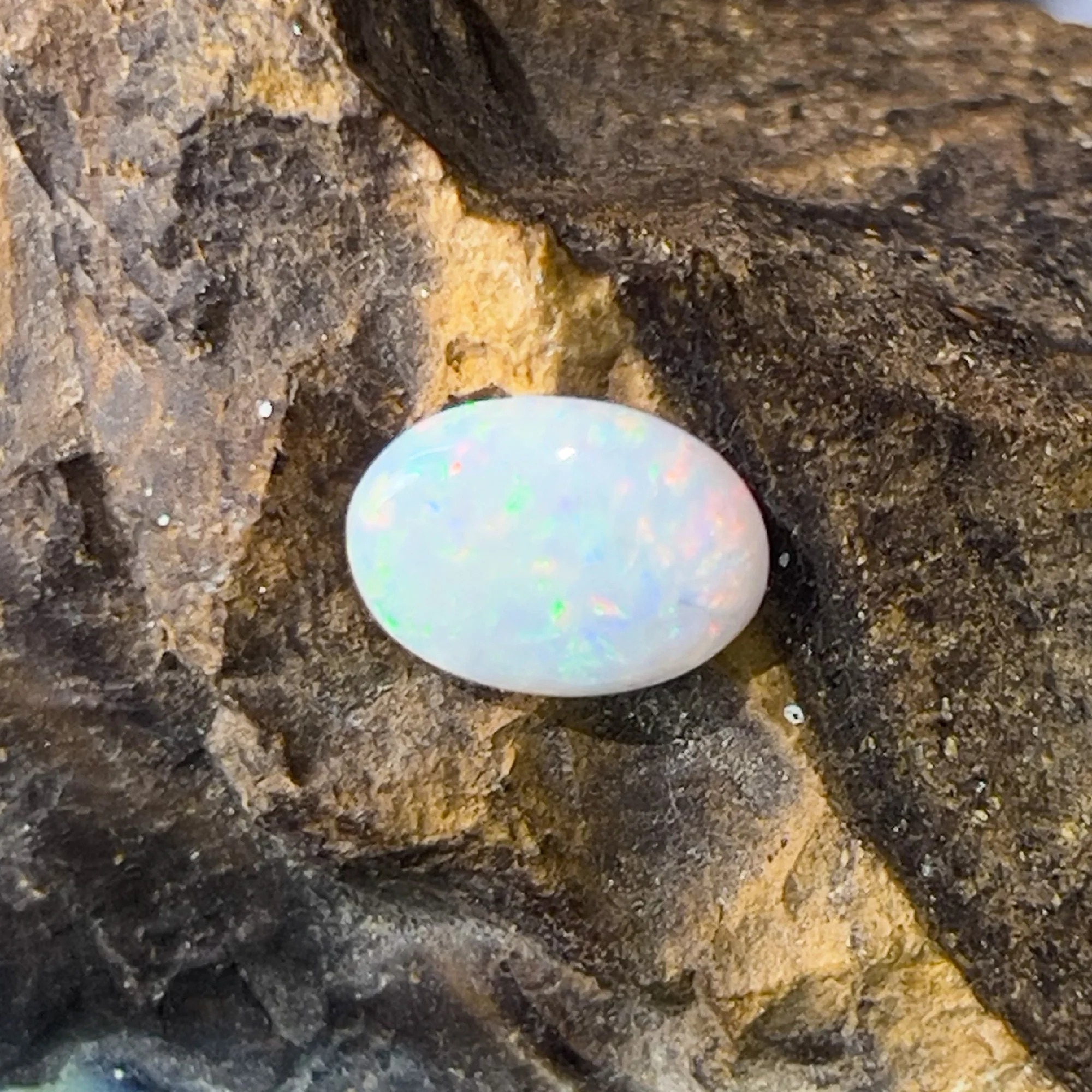
Opal is a hydrated form of silica, chemically written as SiO₂·nH₂O. Unlike most gemstones, opal is not crystalline. Instead of...

Opal is a hydrated form of silica, chemically written as SiO₂·nH₂O. Unlike most gemstones, opal is not crystalline. Instead of...
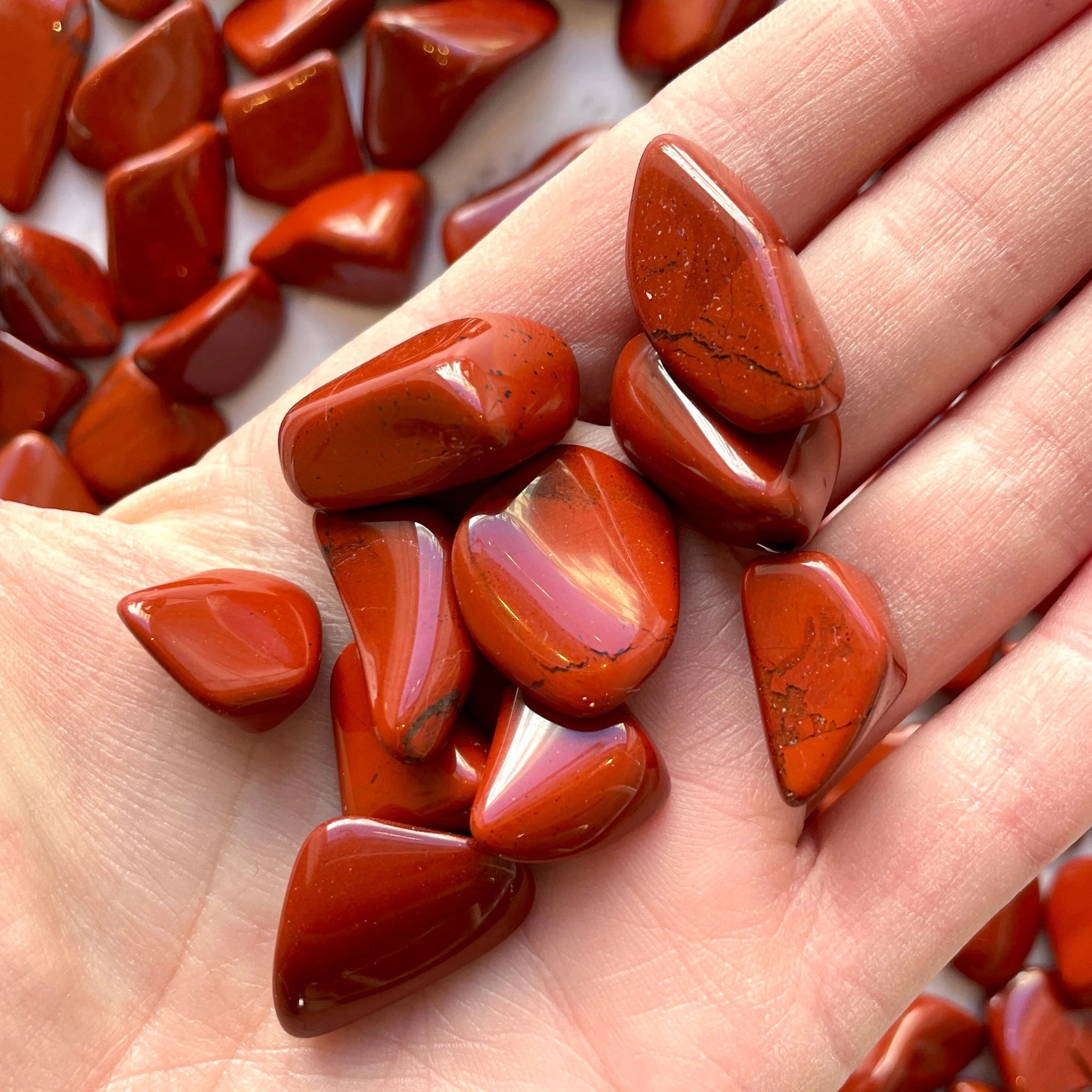
Carnelian is a captivating gemstone known for its rich, reddish-orange hue that has fascinated humans for thousands of years. From...
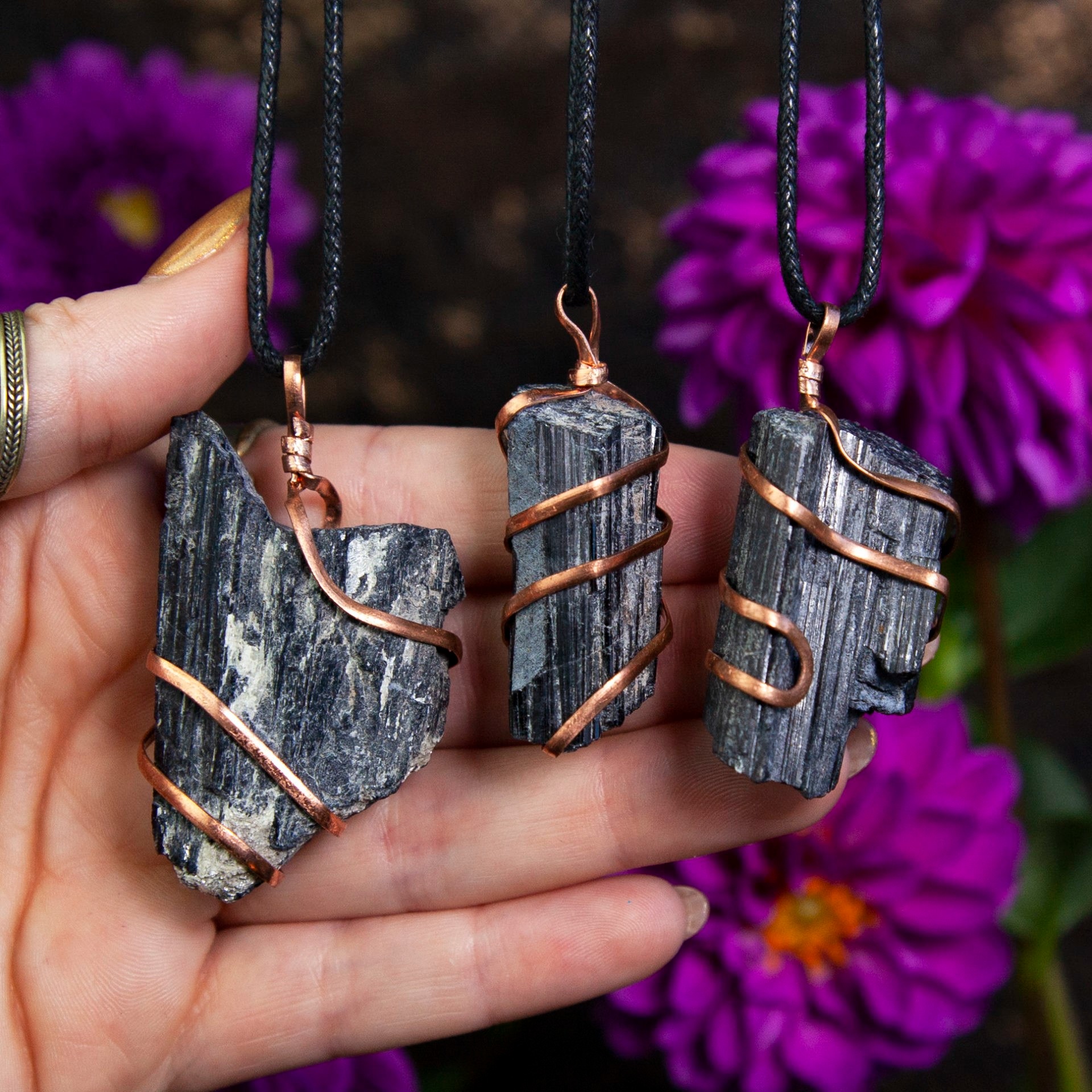
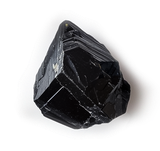
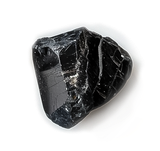
Black tourmaline is a stone that shows up in many places, from crystal shops and jewelry collections to home décor...
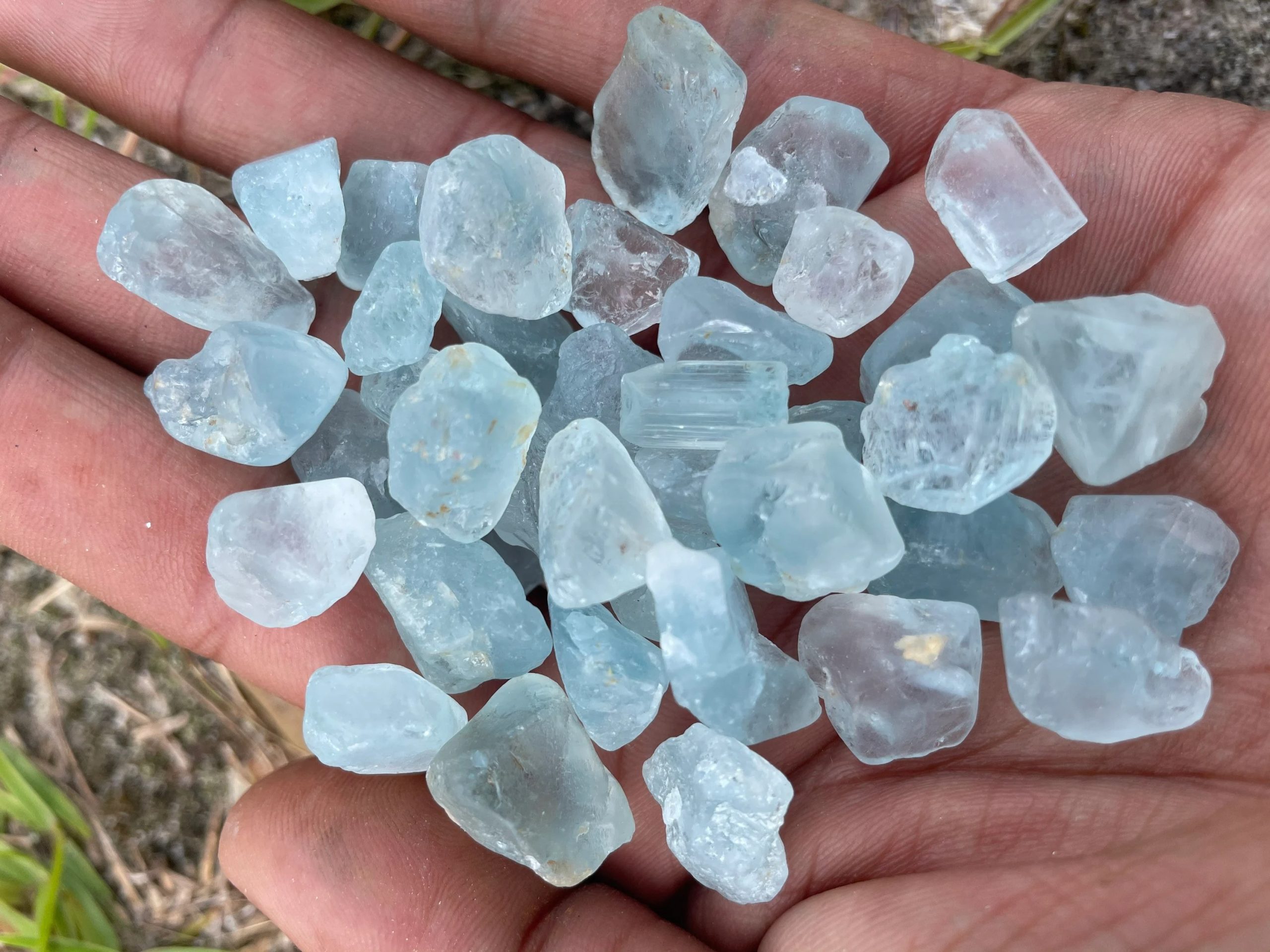
Topaz is a stunning and versatile gemstone, known for its clarity, brilliance, and wide range of colors. Natural Topaz can...

Imagine walking through the bustling markets of ancient Babylon, where traders displayed exotic stones from distant lands. Among them was...
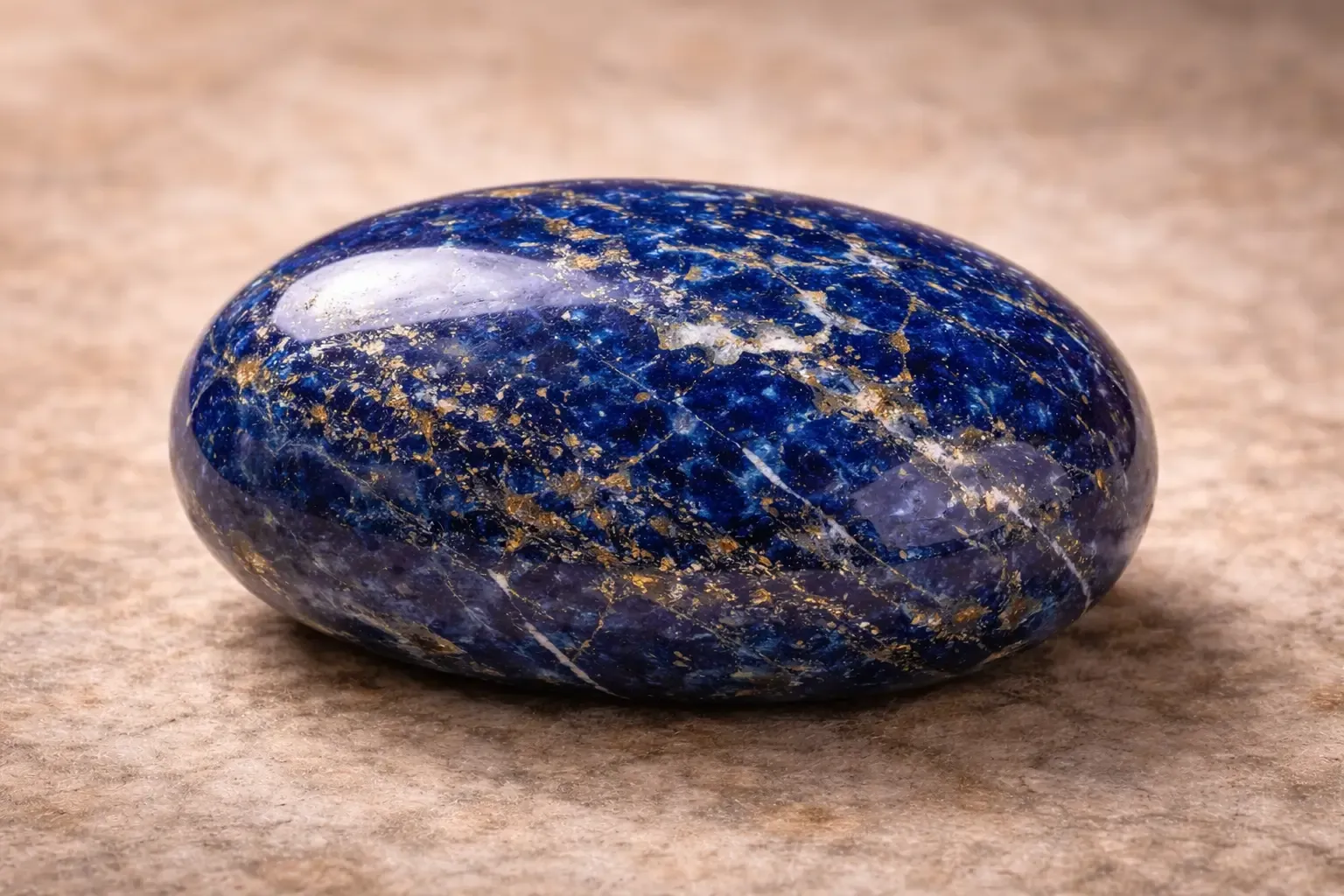
Lapis lazuli is one of the most captivating and historically significant gemstones in the world. Renowned for its deep, vivid...
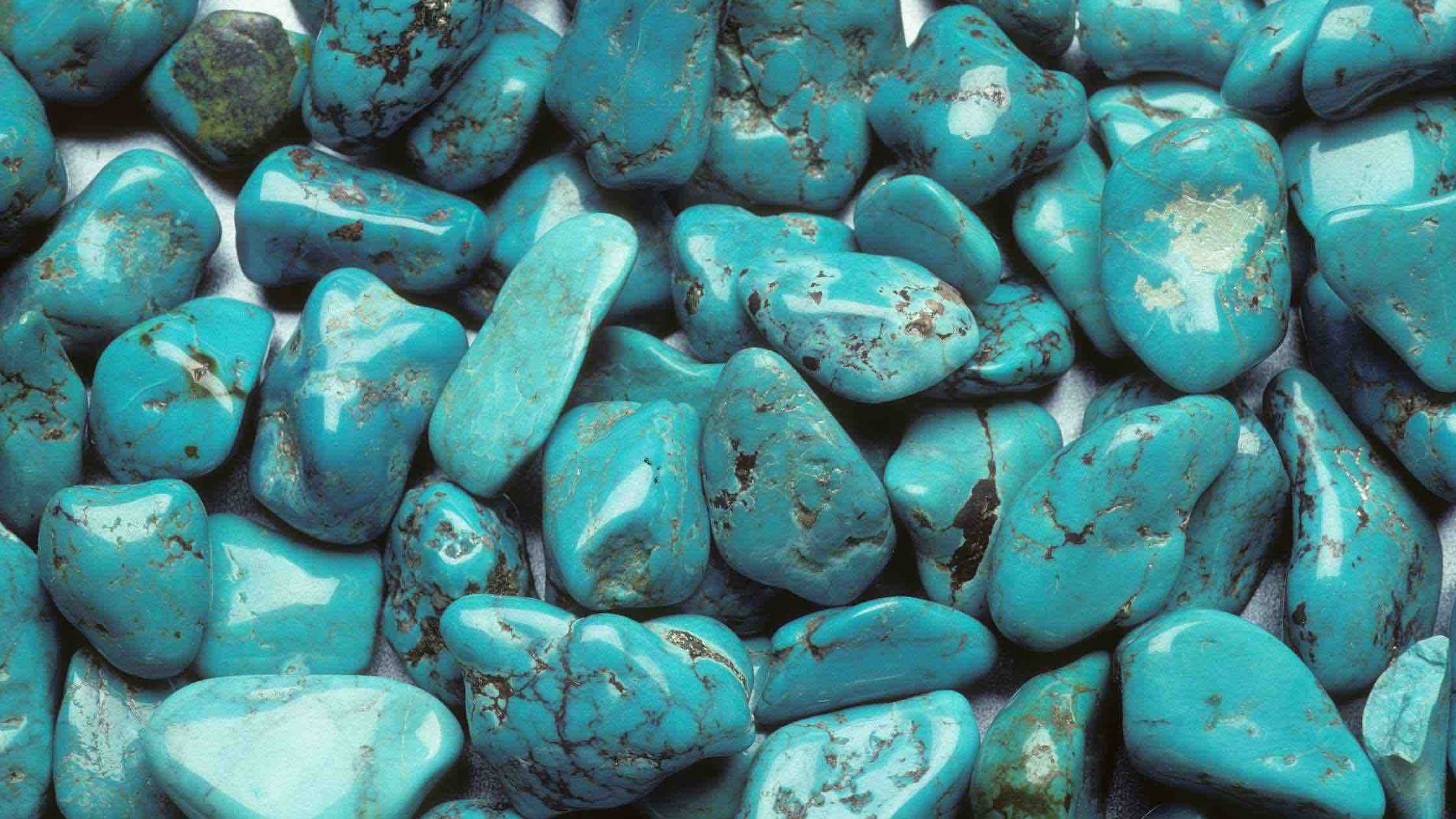
Choosing a December birthstone comes down to personal taste—do you prefer tanzanite, turquoise, or zircon? Tanzanite is admired for its...
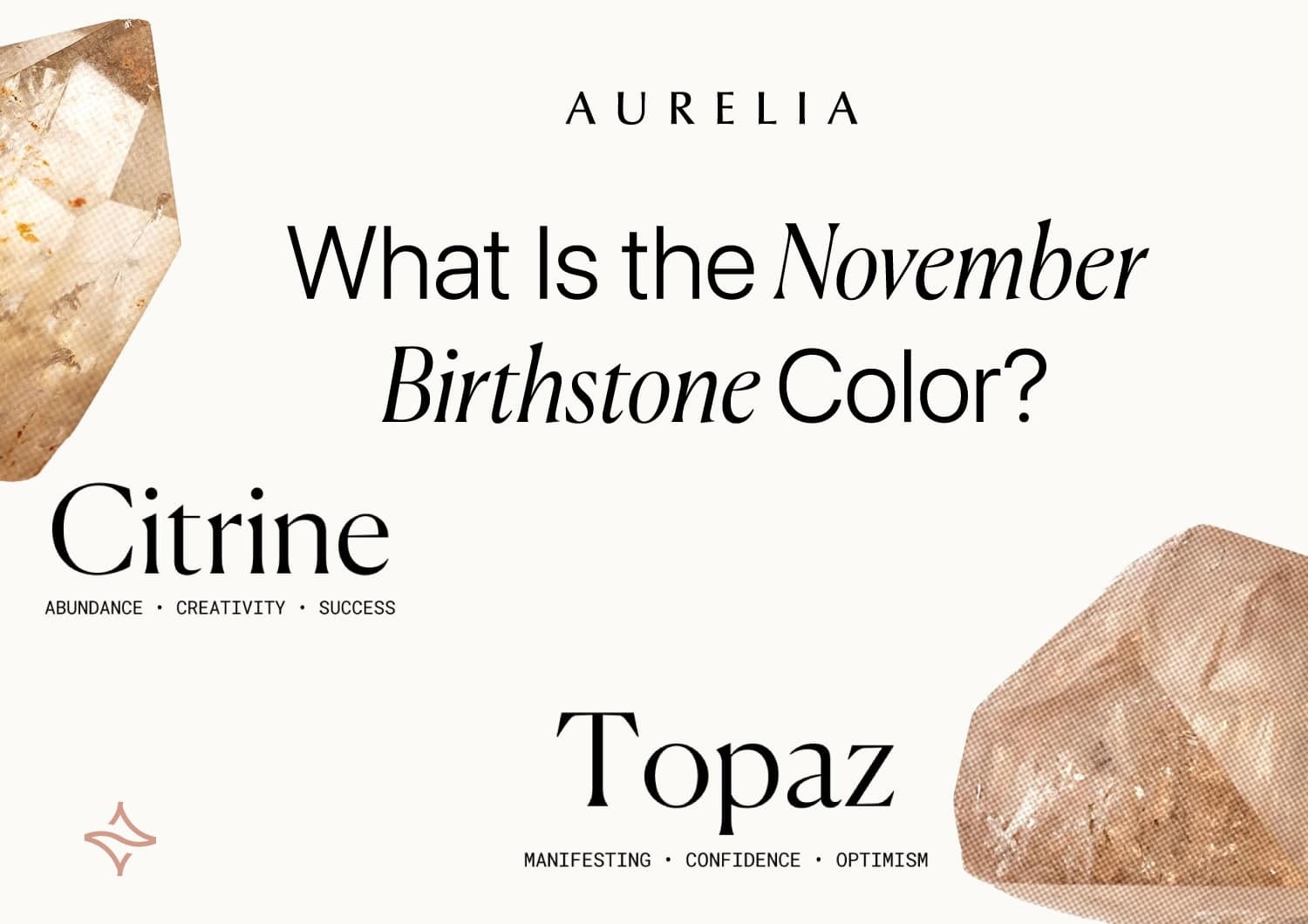
The November birthstone is known for its warm, golden glow and uplifting symbolism. If you are wondering what is November’s...
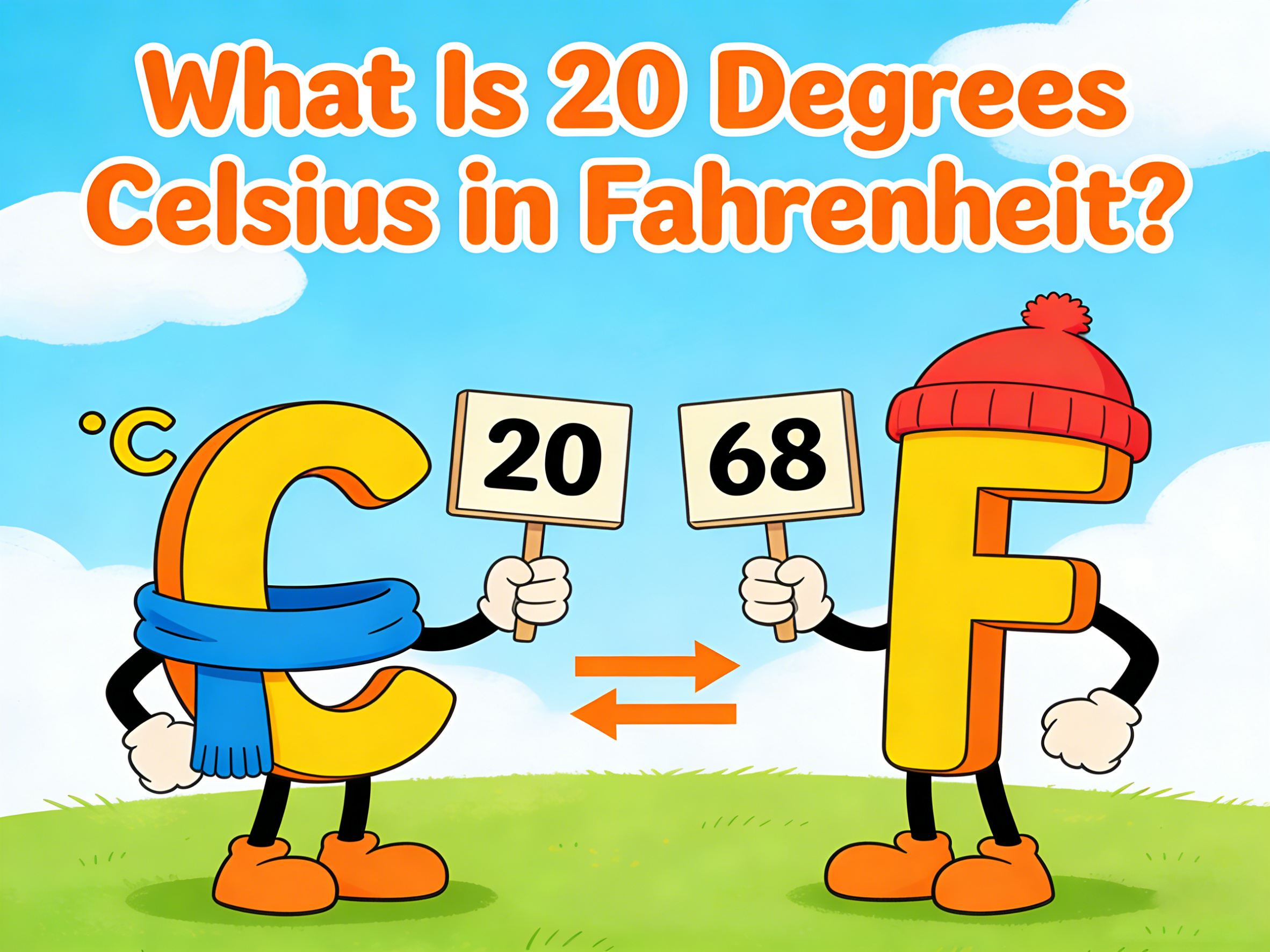
20° Celsius is equivalent to 68° Fahrenheit. Conversion Formula: °F = (°C × 9/5) + 32Step-by-Step Calculation: Temperature Converter Celsius (°C)...