Carnelian is a captivating gemstone known for its rich, reddish-orange hue that has fascinated humans for thousands of years. From ancient civilizations to modern jewelry collections, Carnelian has been valued not only for its beauty but also for its symbolic and metaphysical properties.
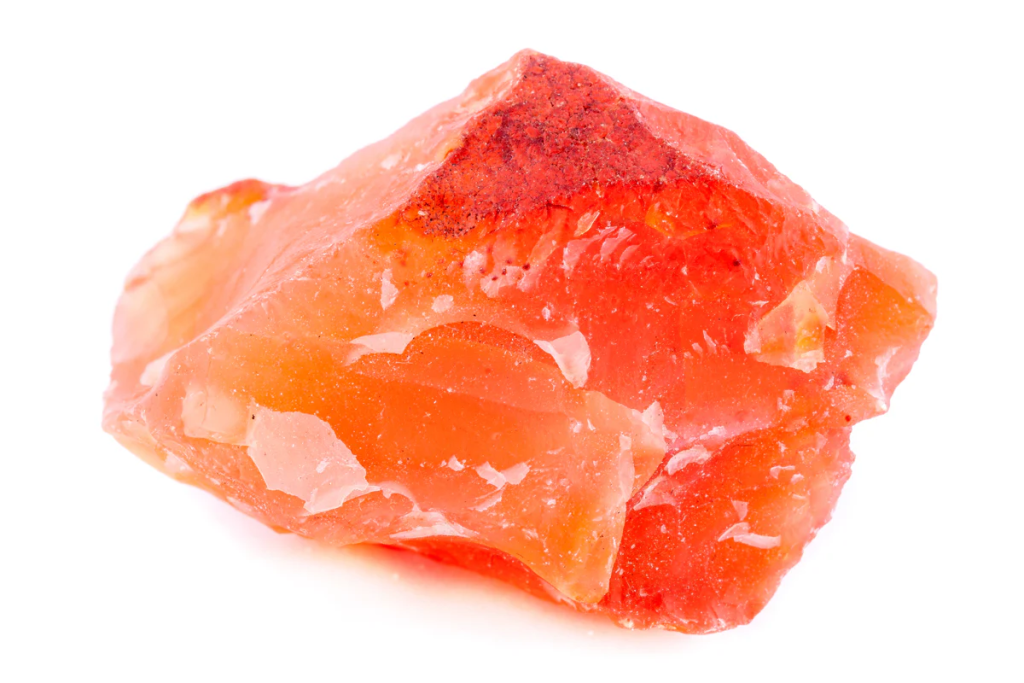
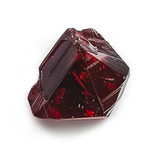
Carnelian is a variety of chalcedony, a mineral in the quartz family. Its warm, reddish tones range from pale orange to deep red, often with natural streaks or patterns. This unique coloring comes from trace amounts of iron oxide within the stone, making each piece distinct. Carnelian is relatively hard, ranking 6.5–7 on the Mohs hardness scale, which makes it suitable for jewelry and decorative items.

Carnelian is a versatile and beautiful gemstone, and it can be categorized based on color, pattern, transparency, and special features. Here’s a comprehensive overview of Carnelian types:
Soft orange or pale red tones, semi-translucent, perfect for everyday jewelry.
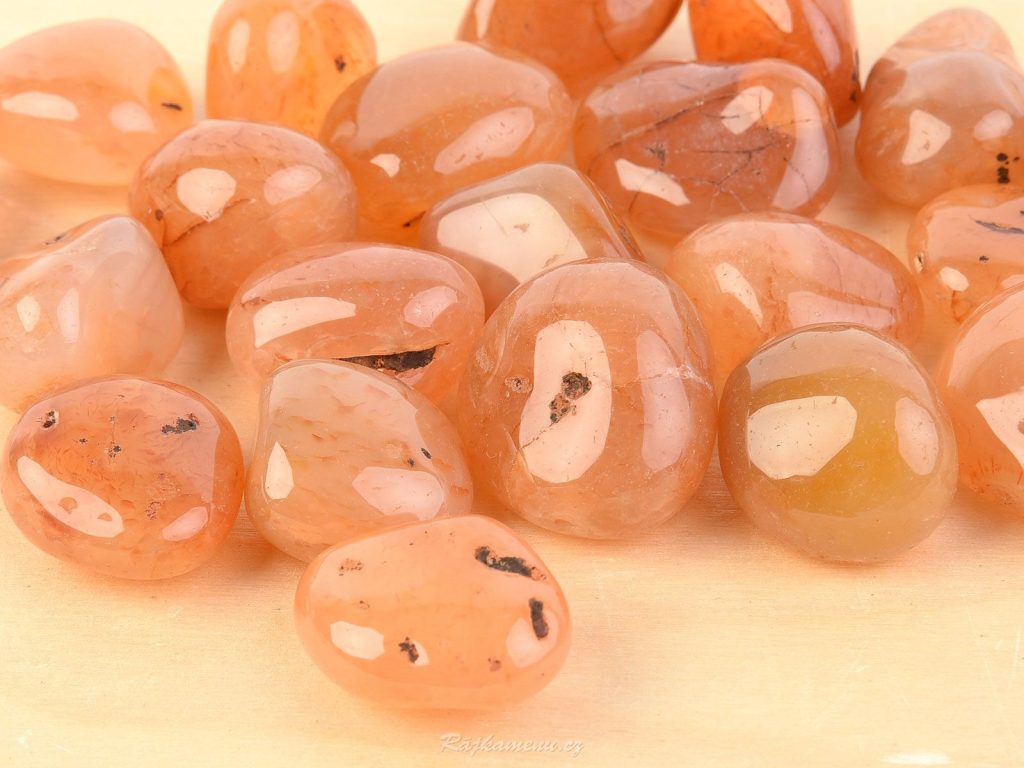
Rich, saturated red shades, highly prized for its beauty and collectible value.
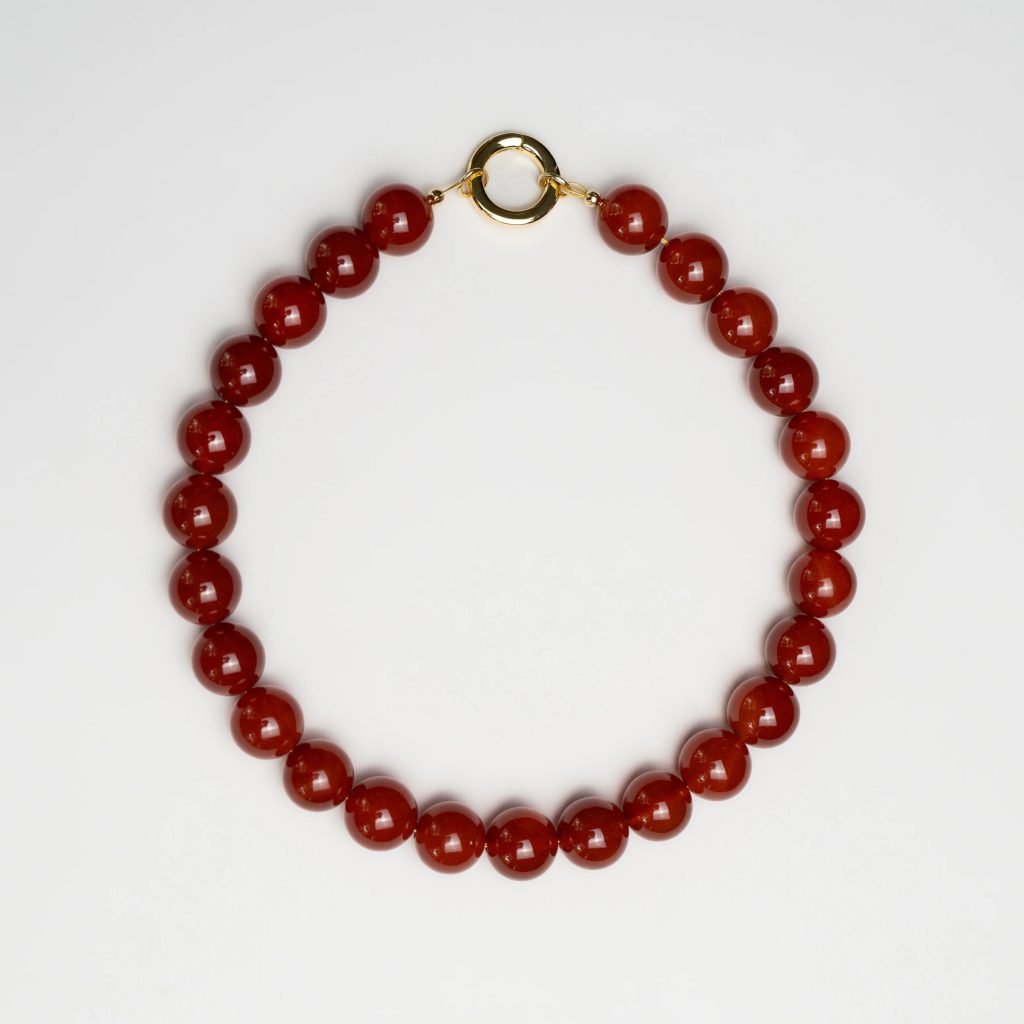
Red with brown undertones, offering a unique and earthy appearance suitable for vintage or natural-themed designs.
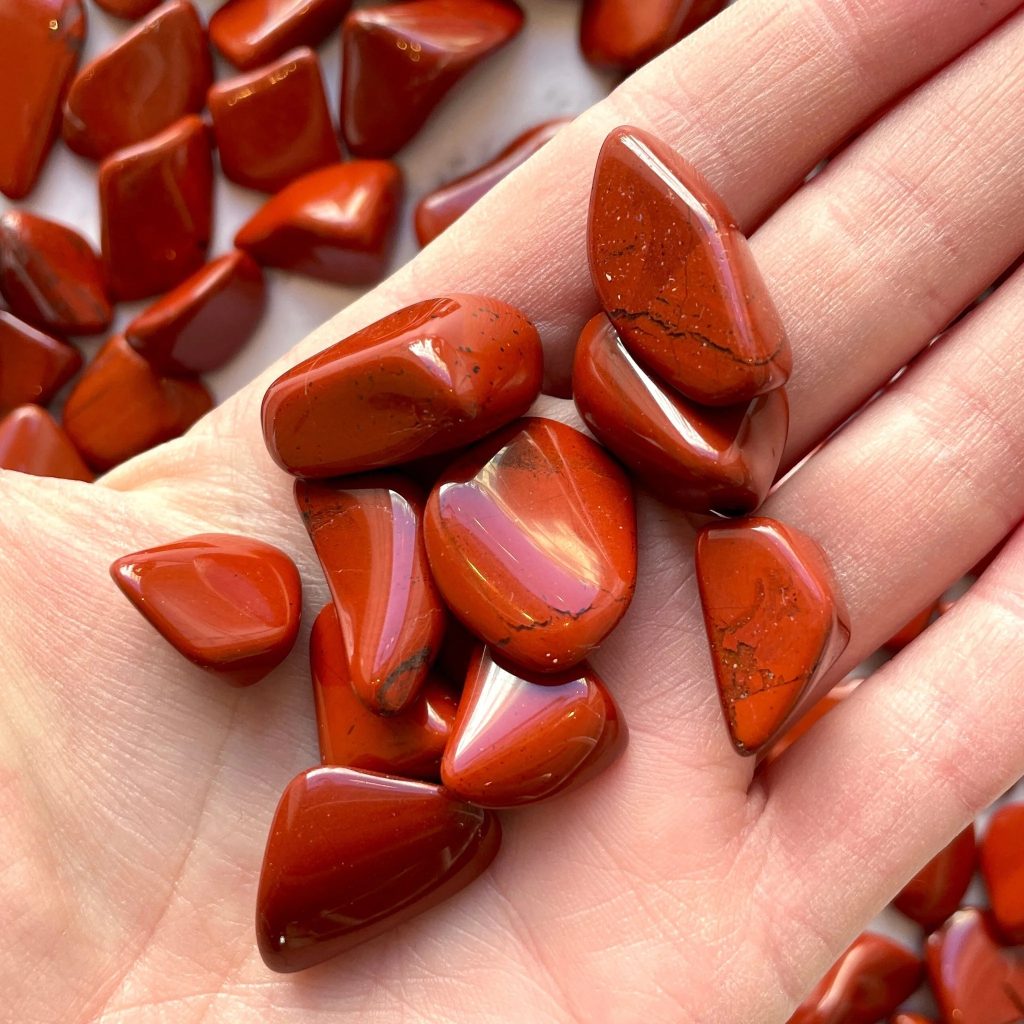
Exhibits natural stripes or layers of color, making each stone unique.
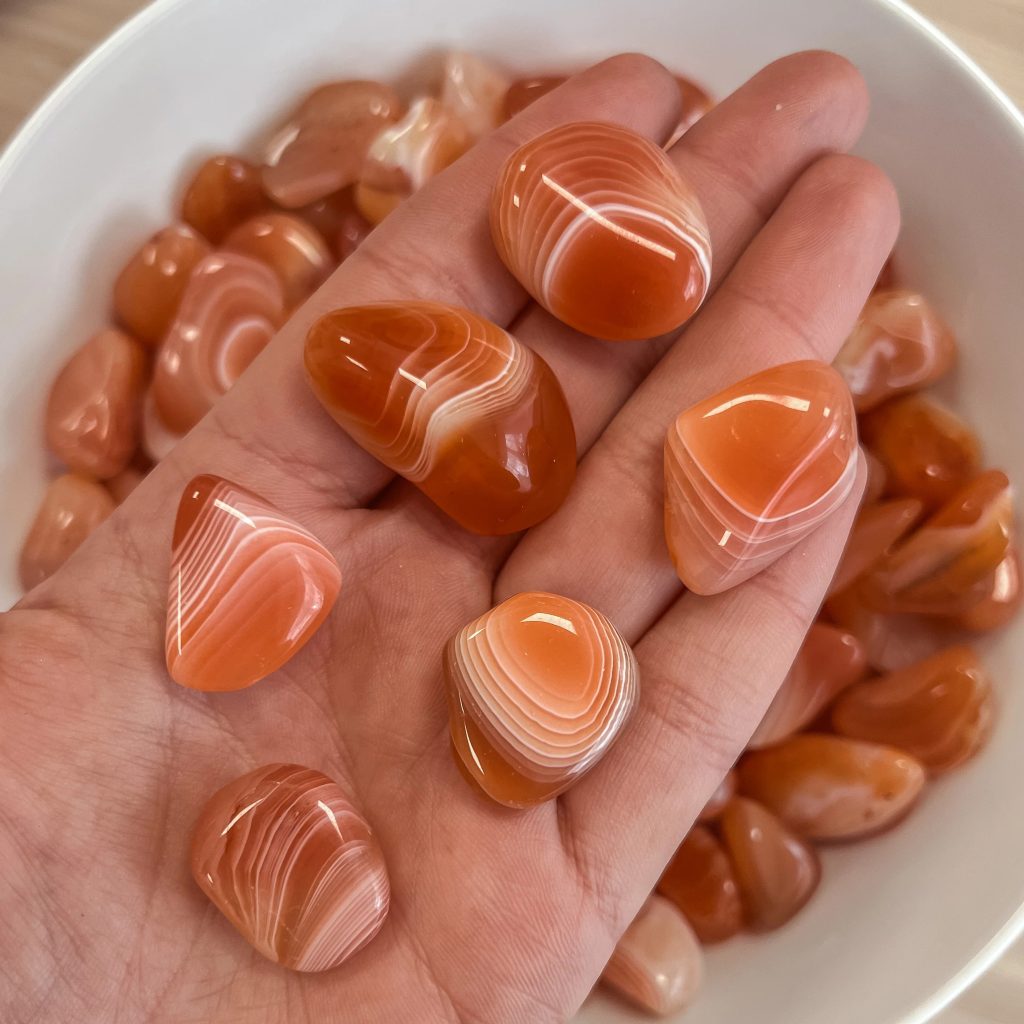
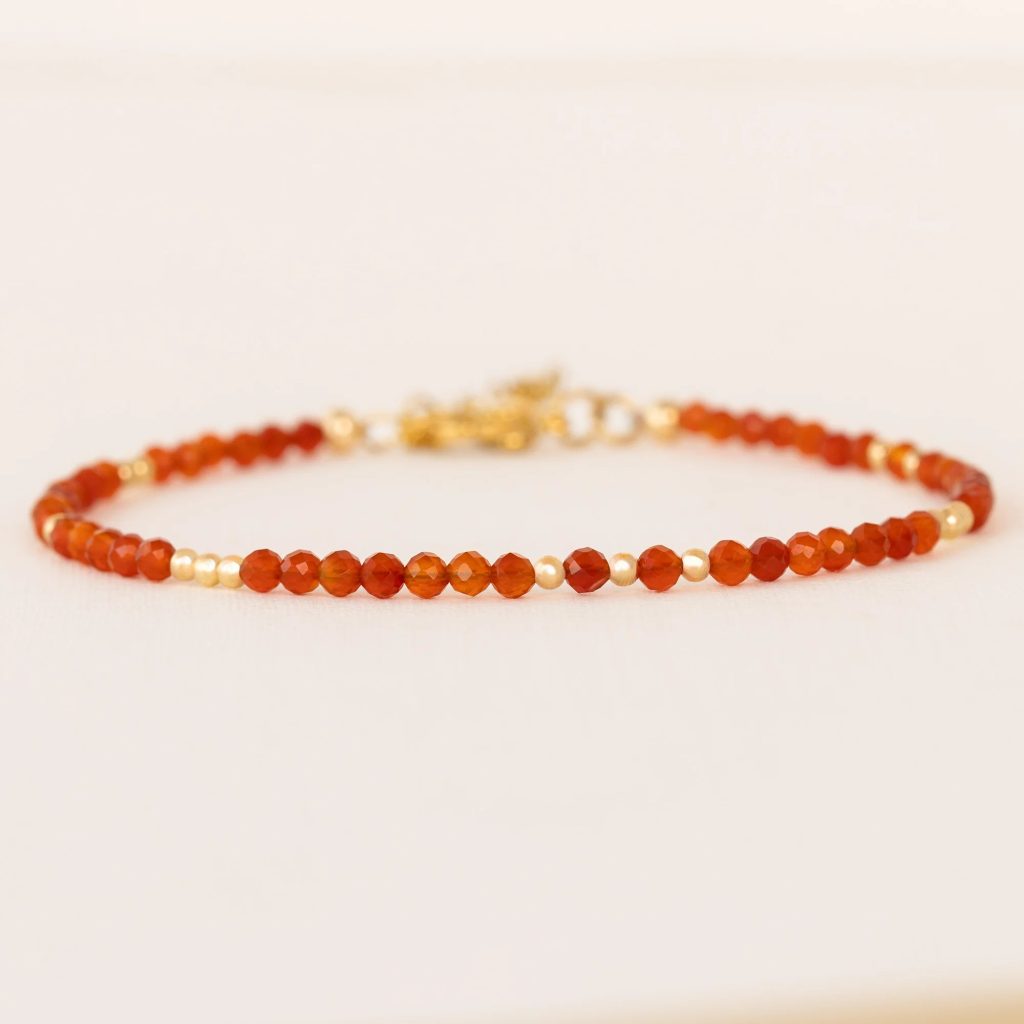
Consistent, solid color without visible bands, ideal for modern jewelry designs.
Carnelian has been treasured since prehistoric times. Archaeological finds show carnelian beads dated back to the Neolithic era (5th millennium BC) in Europe and the Indus Valley, indicating its use as a status symbol and decorative item in ancient societies.
In ancient Egypt, Carnelian was one of the most important gemstones. It was used for beads, inlays, and amulets placed in tombs to protect the deceased in the afterlife. Egyptians often associated Carnelian with life force and protection due to its deep red color resembling blood.
During Roman times, Carnelian was widely used to make engraved gems, signet rings and seals because hot wax does not stick to it, making it ideal for stamping documents.
The Greeks and Romans also believed Carnelian brought courage, confidence, and protection, often wearing it as amulets for personal strength.
In medieval Europe, engraved Carnelian gems were thought to hold magical powers. Stone inscriptions were interpreted (sometimes humorously) as protection from storms or enchantments, as recorded in historical lore.
In the Arab and Islamic world, Carnelian is considered “one of the stones of kings.” It was believed to lend courage, strength in speech, and protection. The Prophet Mohammed is said to have worn a silver ring set with a Carnelian seal on his right hand, enhancing the stone’s prestige and spiritual significance in the region.
Over centuries, Carnelian was associated with luck, health, and vitality:
Historic anecdotes include Napoleonic connections: both Napoleon Bonaparte and Napoleon III cherished a Carnelian seal talisman during their lifetimes, illustrating the enduring mystique around the stone.
Carnelian’s cultural legacy continues through jewelry, healing practices, and modern crystal enthusiasts. Whether valued for its aesthetic warmth, historic symbolism, or metaphysical meanings, Carnelian remains one of the most recognized and beloved semi‑precious gems worldwide.
Genuine Carnelian can usually be identified by its warm orange to red tones that appear rich but not overly bright or artificial. Natural Carnelian often shows slight variations in color rather than a perfectly uniform shade, and it is typically translucent, allowing light to pass through softly instead of blocking it completely. When polished, real Carnelian has a smooth, waxy luster rather than a sharp glass-like shine. Because Carnelian ranks about 6.5 to 7 on the Mohs hardness scale, it should not be easily scratched by common metal objects, although scratch testing is not recommended for finished jewelry. Dyed stones or imitations may show concentrated color around cracks or drill holes, which can sometimes be observed under magnification. To ensure authenticity, purchasing Carnelian from reputable gemstone dealers or trusted sources remains the most reliable approach.