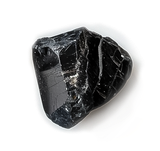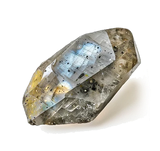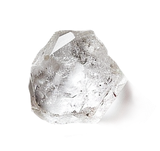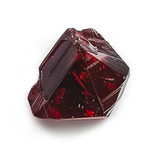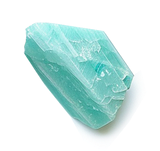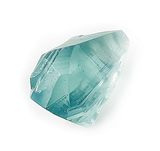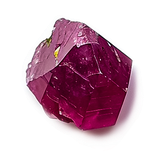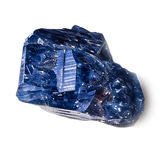
Choosing a December birthstone comes down to personal taste—do you prefer tanzanite, turquoise, or zircon? Tanzanite is admired for its cool blue tones with hints of violet, turquoise captivates with its bold blue-green character, while zircon offers exceptional brilliance across a range of colors. For those who love blue, each December birthstone brings a unique shade and personality to this classic color family. Whether you’re guided by style, color preference, or budget, finding the right December birthstone for yourself or a meaningful gift is easier than you might expect.
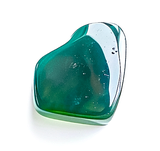
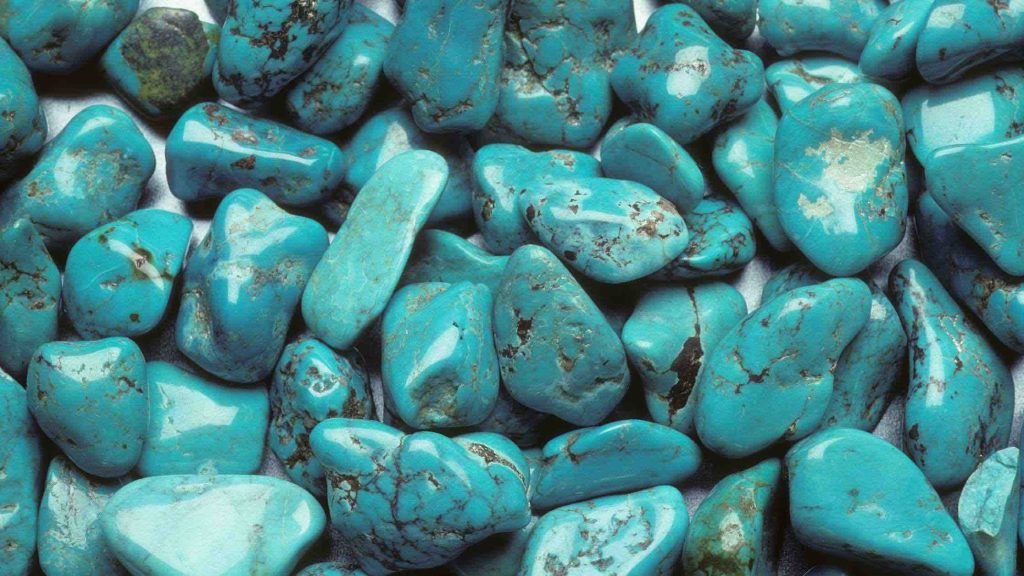
Turquoise is a gemstone that appears in shades ranging from soft sky blue to rich green, typically opaque or slightly translucent, and often marked with natural matrix patterns formed from its host rock. As a December birthstone, turquoise has been valued by human civilizations for thousands of years. In ancient Egypt, it was worn by pharaohs and nobility, while Chinese craftsmen were carving turquoise ornaments over 3,000 years ago.
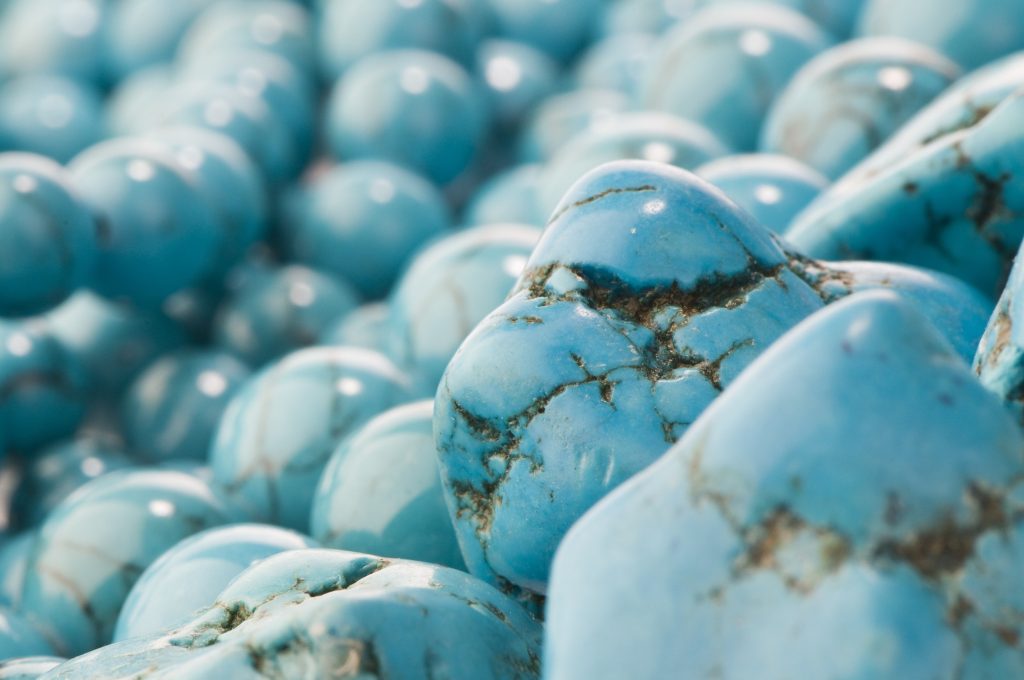
Throughout history, the turquoise birthstone has been associated with protection, prosperity, and well-being. By the Middle Ages, many believed it could guard the wearer against accidents, particularly falls from horses, and even fracture as a warning sign of impending danger. In Hindu traditions, turquoise was thought to bring exceptional wealth when seen shortly after the appearance of a new moon.
Turquoise also holds deep cultural significance among Native American tribes. The Apache believed turquoise could be discovered by following a rainbow to where it meets the earth and that wearing this December birthstone improved accuracy in hunting and warfare. Pueblo traditions linked its color to the sky, while the Hopi told stories of turquoise forming through the movement of lizards across the land, reinforcing its spiritual connection to nature.
Turquoise has been cherished for thousands of years, and its deposits can be found in several regions around the world. Some of the most famous sources are located in the southwestern United States, particularly in Arizona, New Mexico, and Nevada, where Native American artisans have long mined and crafted the stone into jewelry and ceremonial pieces. Other significant deposits exist in Iran, historically known as Persia, which produced some of the finest sky-blue turquoise in history. Additional sources include Egypt, China, Mexico, and Tibet, each offering stones with unique color variations and matrix patterns. The distinctive blue-green shades and natural veining of turquoise from different regions make it a highly valued and collectible December birthstone, prized both for its beauty and its rich cultural history.
Although tanzanite entered the gemstone world relatively recently, it is regarded as one of the most remarkable gemstone discoveries of the twentieth century. In the early 1960s, blue crystals found in Tanzania were initially classified as the mineral zoisite. It wasn’t until 1967 that miners uncovered the only known commercial deposits of this December birthstone in the Merelani Hills, leading to its eventual name—tanzanite—in recognition of its place of origin.
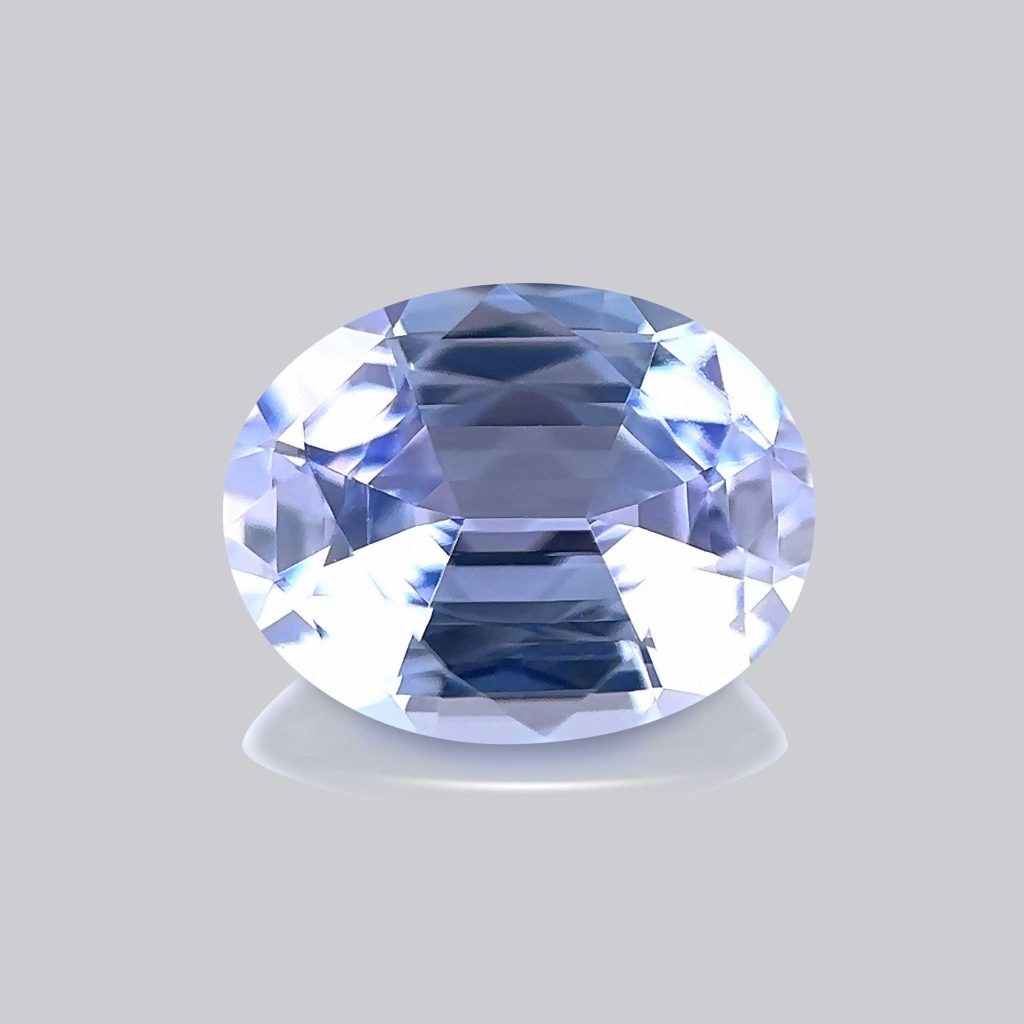
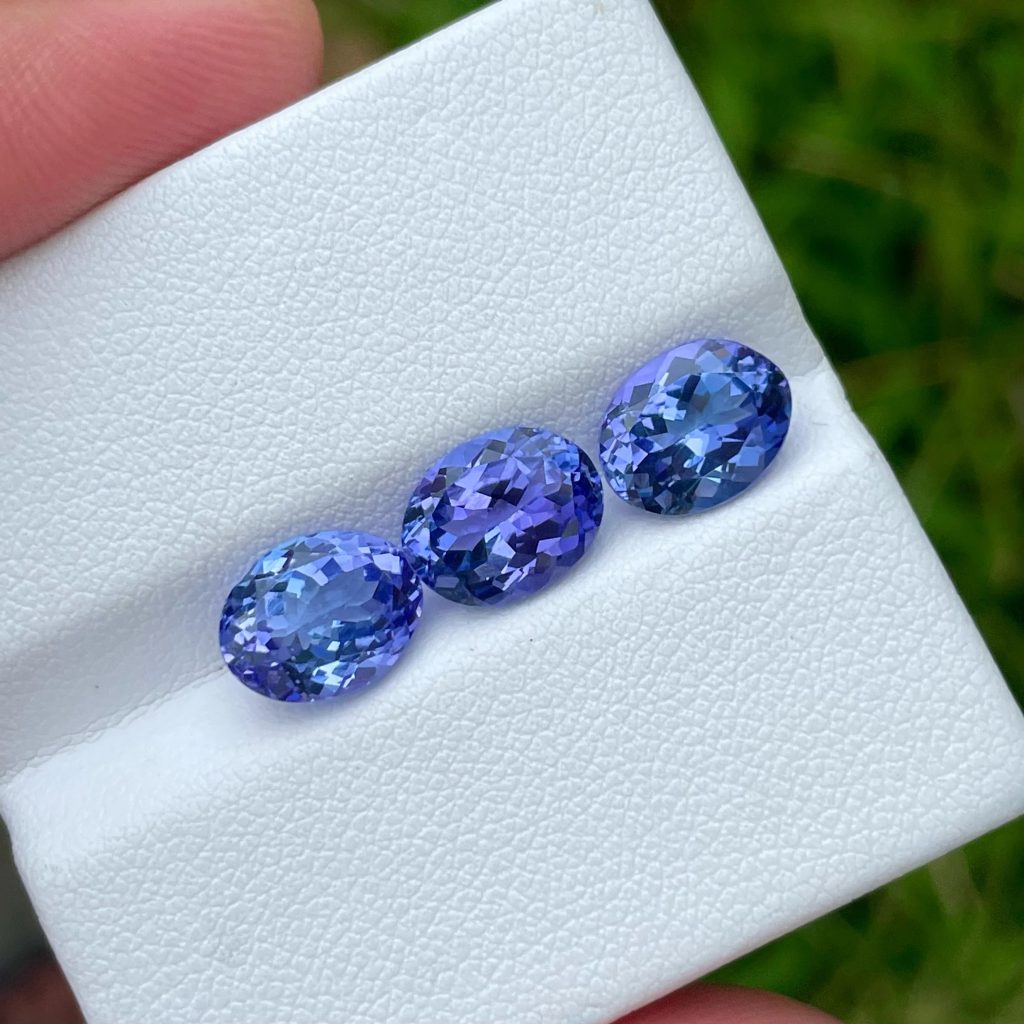
The tanzanite birthstone is admired for its rich, velvety appearance, a result of its intense and saturated hues. Its color ranges from vibrant blue to bluish-violet, with pure blue stones generally commanding the highest value. Recognizing its global potential, Tiffany & Co. played a key role in introducing tanzanite to the international market, launching a high-profile promotional campaign in 1968. Thanks to its striking color, excellent clarity, and ability to be cut into impressive sizes, tanzanite rapidly gained popularity. Today, it is celebrated not only as a December birthstone, but also as the official gemstone for the 24th wedding anniversary.
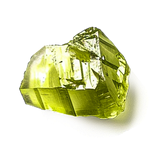
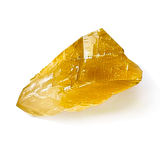
The story behind the name zircon is somewhat mysterious. Some historians link it to the Arabic word zarkun, which means “cinnabar,” while others believe it comes from the Persian zargun, meaning “gold-colored.” Both interpretations make sense, considering this December birthstone appears in an array of colors—ranging from fiery reds and warm oranges to sunny yellows, earthy browns, cool greens, and brilliant blues. Colorless zircon, in particular, is valued for its sparkling brilliance and “fire,” the flashes of multicolored light that have long caused it to be mistaken for diamonds.
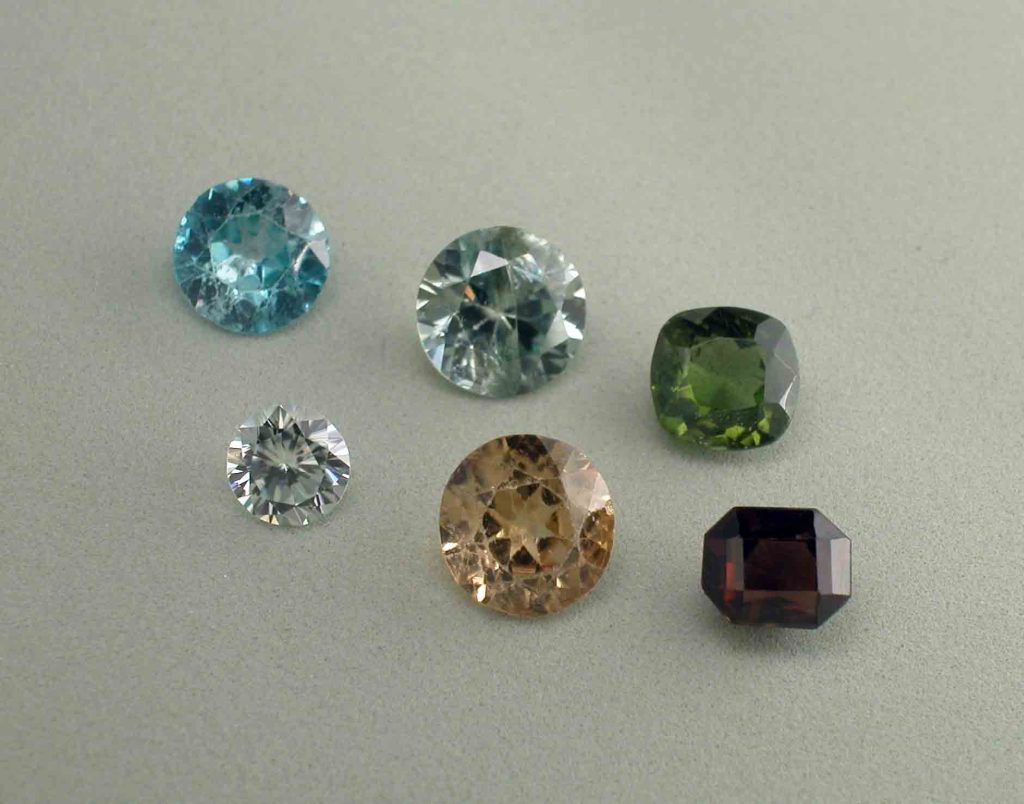
Zircon has also carried spiritual significance across cultures. In medieval Europe, it was thought to bring deep, peaceful sleep and to repel negative energy. In Hindu tradition, zircon is one of the nine stones in the navaratna, alternately paired with hessonite garnet, believed to offer protection and attract wealth, health, and wisdom.
Blue zircon gained popularity in the Victorian era, prized for its vivid hue and dazzling sparkle. Many exquisite examples from the late 1800s can still be found in English estate jewelry, showcasing the gem’s enduring charm.
| Birthstone | Hardness (Mohs) | Cleaning Tips | Care & Storage Recommendations |
|---|---|---|---|
| Turquoise | 5–6 | Wipe gently with a soft, damp cloth; avoid chemicals, ultrasonic cleaners, or steam. | Keep away from heat, sunlight, and perfumes; store in a soft pouch or separate compartment to prevent scratches. |
| Tanzanite | 6.5–7 | Clean with warm, soapy water and a soft brush; avoid ultrasonic and steam cleaners. | Handle with care to prevent chipping; store separately in padded boxes or cloth pouches. Avoid prolonged exposure to sunlight. |
| Zircon | 7.5 | Use warm, soapy water and a soft brush; zircon can tolerate gentle cleaning but avoid harsh chemicals. | Store separately to avoid scratches; remove jewelry before vigorous activities. Protect from extreme temperature changes. |