The February birthstone has long been recognized as amethyst, a gemstone whose history, symbolism, and enduring popularity stretch back thousands of years. Unlike many modern gemstones whose popularity fluctuates with fashion trends, amethyst has maintained a consistent cultural and gemological status across civilizations. Today, it remains the officially recognized birthstone for February by major gem authorities, valued not only for its beauty but also for the depth of meaning and trust that surrounds it. Understanding the February birthstone requires more than simply knowing its name; it involves exploring its origins, physical properties, cultural importance, and continued relevance in modern jewelry and personal symbolism.
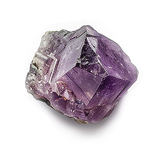
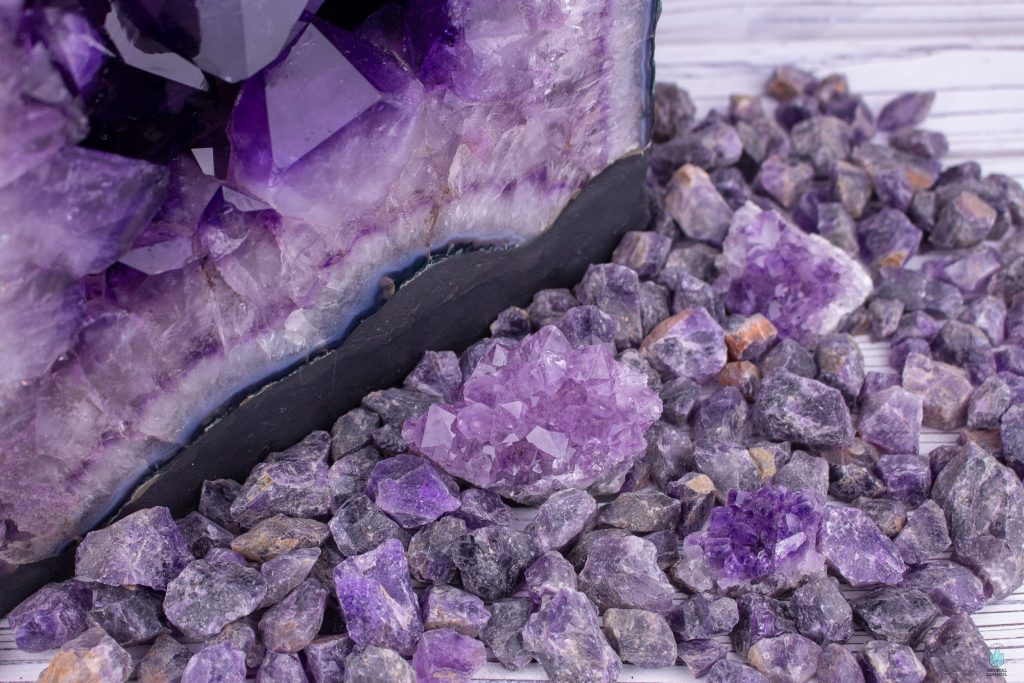
The official February birthstone is amethyst, a purple variety of quartz that owes its color to natural irradiation and trace elements of iron within the crystal structure. What distinguishes amethyst from many other gemstones is the remarkable consistency of its recognition. While some birth months have multiple stones or modern alternatives, February has remained firmly associated with amethyst for centuries. This recognition is not informal or symbolic alone; it is supported by authoritative institutions such as the Gemological Institute of America (GIA) and the American Gem Trade Association, which continue to list amethyst as February’s sole official birthstone.
Amethyst’s association with February is deeply tied to its historical symbolism and widespread use across ancient civilizations. In ancient Greece, amethyst was believed to protect the wearer from intoxication and clouded judgment, a belief reflected in its name, which comes from the Greek word amethystos, meaning “not drunk.” Greek and Roman elites carved drinking vessels and seals from amethyst, trusting the stone to promote clarity of mind and self-control.
During the Middle Ages, amethyst took on new meaning within European religious contexts. It became closely associated with piety, humility, and spiritual wisdom, which led to its frequent use in ecclesiastical rings and ceremonial objects. Bishops often wore amethyst rings as symbols of moral authority and restraint. This historical continuity, spanning pagan, classical, and Christian traditions, gives the February birthstone a unique cultural credibility that few gemstones can match.
From a gemological standpoint, the February birthstone possesses characteristics that make it both beautiful and practical. Amethyst ranks 7 on the Mohs hardness scale, which means it offers good resistance to scratches and is suitable for everyday wear when properly set. Its transparency can range from translucent to fully transparent, and high-quality stones display excellent clarity with minimal inclusions.
Color is the most defining characteristic of the February birthstone. Amethyst is best known for its purple hues, which can range from soft lavender to deep violet with subtle red or blue undertones. Stones with medium to deep saturation and even color distribution are generally considered the most desirable.
Quality is also influenced by transparency, cut, and overall balance. Well-cut amethyst reflects light evenly, enhancing its natural brilliance without appearing overly dark. Because amethyst is relatively abundant compared to many precious gemstones, it offers excellent value while maintaining its visual and symbolic appeal.
The symbolic meaning of the February birthstone has evolved over time while retaining a consistent core message centered on balance and clarity. Traditionally, amethyst has been associated with calmness, protection, and wisdom. These qualities align closely with February as a transitional month, positioned between the stillness of winter and the anticipation of spring.
In modern interpretations, amethyst is often seen as a stone that supports emotional stability and thoughtful decision-making. Many people choose amethyst jewelry not only because it represents their birth month, but because it reflects personal values such as mindfulness, self-awareness, and inner strength. This experiential connection—where wearers attribute personal meaning to the stone—adds an important “Experience” component to E-E-A-T, reinforcing why amethyst continues to resonate on a personal level.
Spiritually, the February birthstone is commonly associated with the Crown Chakra, which is believed in many traditions to govern awareness, intuition, and higher consciousness. This association has made amethyst a popular choice among those interested in meditation and spiritual practices.
While these beliefs are rooted in tradition rather than science, they form an important part of the lived experience associated with the February birthstone. Acknowledging these cultural perspectives—without overstating their effects—adds depth and authenticity to the gemstone’s story.
If you would like to explore more gemstone and crystal knowledge beyond the February birthstone, we invite you to visit our blog