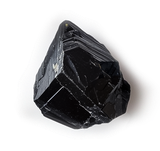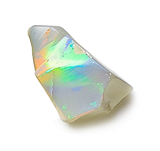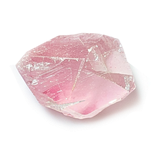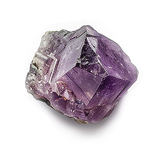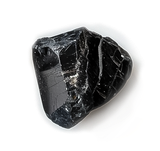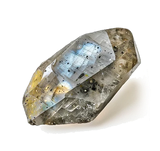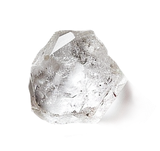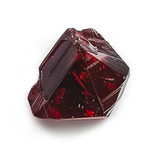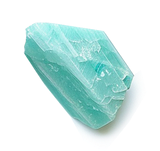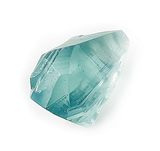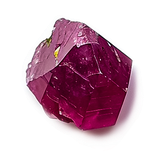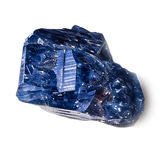
The June Birthstone is unique among all birthstones because it traditionally includes three gemstones: Pearl, Alexandrite, and Moonstone. Each June birthstone carries its own symbolism, beauty, and history, making June one of the most fascinating birth months in the birthstone calendar.
In this guide, we’ll explore what the June birthstone is, its meaning, history, and how to choose the perfect June birthstone jewelry.
The official June Birthstone options are:
Unlike other birth months with a single stone, June offers variety, allowing people to choose a gemstone that best matches their style and personality.
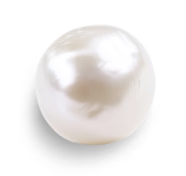
Unlike other gemstones that are mined from the earth, the pearl is organic, created by living mollusks (oysters and mussels).
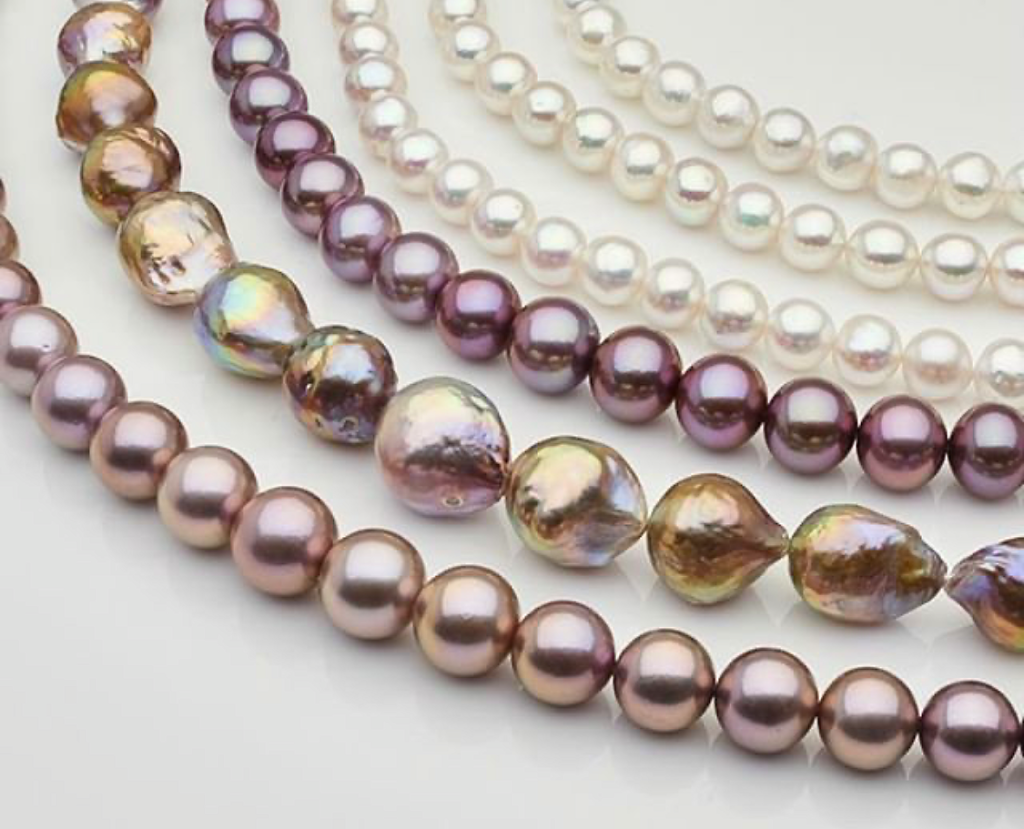
When an irritant enters a mollusk, the animal secretes layers of nacre (calcium carbonate and conchiolin). Over several years, these layers build up to create the iridescent luster we call “orient.”
Pearls have long symbolized purity, wisdom, and integrity. Because they rank only 2.5 to 4.5 on the Mohs scale, they are extremely delicate.
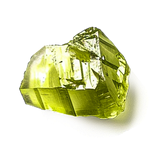
Often called “emerald by day, ruby by night,” Alexandrite is arguably the most prestigious of all June birthstones due to its extreme rarity and dramatic color-change effect.
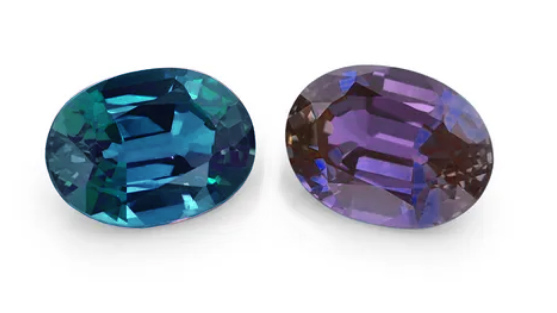
Alexandrite is a rare variety of the mineral Chrysoberyl ($BeAl_2O_4$). Its color-change phenomenon is caused by the presence of chromium—the same element found in emeralds.
High-quality natural Alexandrite can be more expensive than diamonds.
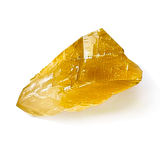
For those who prefer a mystical, celestial aesthetic, the Moonstone offers a unique optical phenomenon known as adularescence.
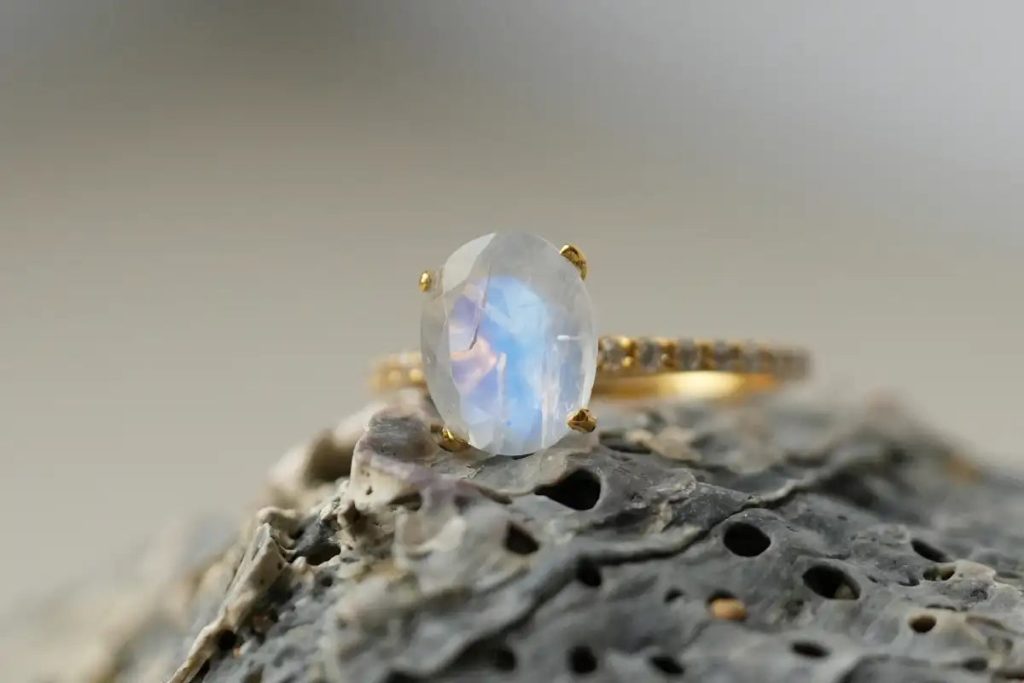
Moonstone is a variety of the feldspar group mineral Orthoclase. It is composed of alternating layers of orthoclase and albite. When light falls between these thin layers, it scatters in many directions, producing a billowy blue or white light that seems to float across the surface like moonlight on water.
Known as the “Stone of New Beginnings,” Moonstone is deeply tied to the feminine divine and lunar cycles. It is believed to enhance intuition and provide emotional balance for those born in June.
The June birthstone collection is a testament to the versatility of nature. Whether you are drawn to the timeless elegance of the Pearl, the scientific marvel of Alexandrite, or the dreamy glow of Moonstone, June offers a gemstone for every personality and budget.
When purchasing, always prioritize transparency. Ask about the origin of your Alexandrite, the luster grade of your Pearl, and the clarity of your Moonstone. These treasures are not just birthstones; they are heirlooms in the making.