Lapis lazuli is one of the most captivating and historically significant gemstones in the world. Renowned for its deep, vivid blue color often speckled with golden pyrite, lapis lazuli has been treasured by civilizations for thousands of years. From the ancient Egyptians who used lapis lazuli in jewelry and amulets, to Renaissance artists who ground it into the precious ultramarine pigment, lapis lazuli has always symbolized wisdom, truth, and spiritual insight. Unlike transparent gemstones, lapis lazuli is opaque and is composed mainly of lazurite, along with calcite and pyrite, giving it a unique texture and depth that make it perfect for carvings, beads, cabochons, and decorative objects. Whether used in fine jewelry, ornamental pieces, or spiritual practices, lapis lazuli remains a timeless stone that continues to inspire and fascinate collectors and artisans alike.
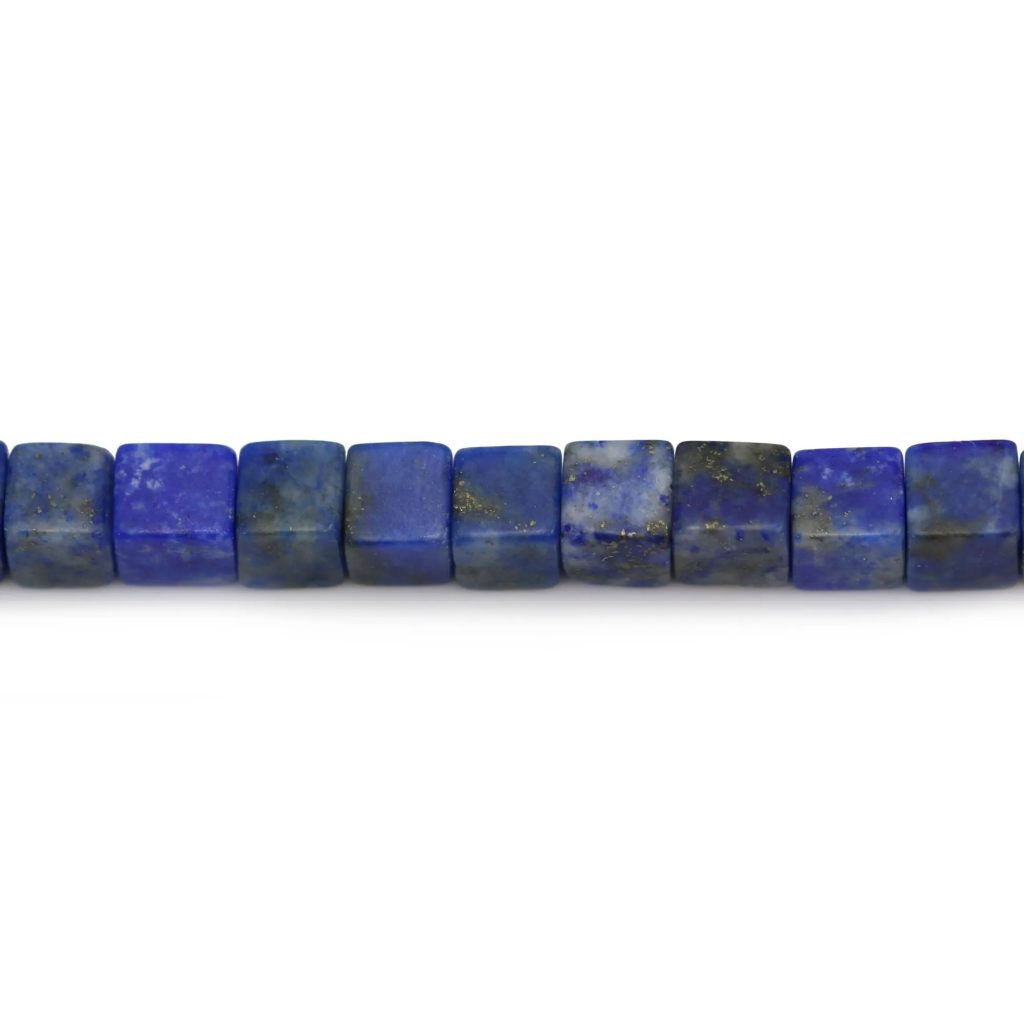
Lapis lazuli is a rare and valuable gemstone that has been mined for thousands of years in only a few regions around the world. The most famous source is Afghanistan’s Badakhshan region.
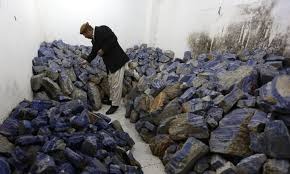
where some of the highest-quality lapis lazuli with deep, vibrant blue and minimal calcite streaks is still extracted today. Other notable sources include Chile, Russia, and smaller deposits in Pakistan and the United States. Each location produces lapis lazuli with slightly different characteristics—for example, Afghan lapis lazuli often has striking golden pyrite flecks, while Chilean stones may appear lighter with more white calcite. Knowing the origin of your lapis lazuli can help you assess its quality, color, and value, whether you are buying jewelry, beads, or crystals.
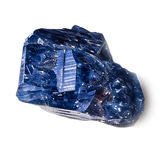
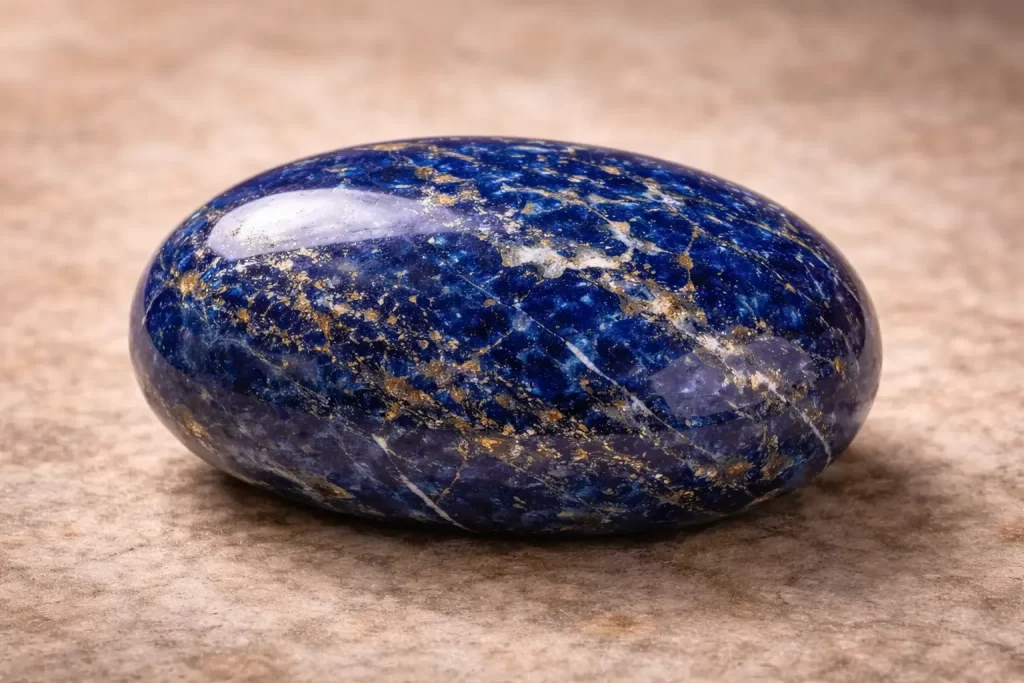
The lapis lazuli color is instantly recognizable for its deep, rich blue tone that has fascinated people for thousands of years. This iconic blue comes primarily from the mineral lazurite, which gives lapis lazuli its intense, ultramarine hue. High-quality lapis lazuli color is uniform and vibrant, often accented by tiny flecks of golden pyrite that resemble stars in the night sky. Some stones may also have small white streaks of calcite, but the most prized lapis lazuli color is a pure, deep blue without too many inclusions. Because of its striking and timeless appearance, lapis lazuli color has been used historically in jewelry, carvings, and even as a pigment for paintings, symbolizing wisdom, truth, and luxury.
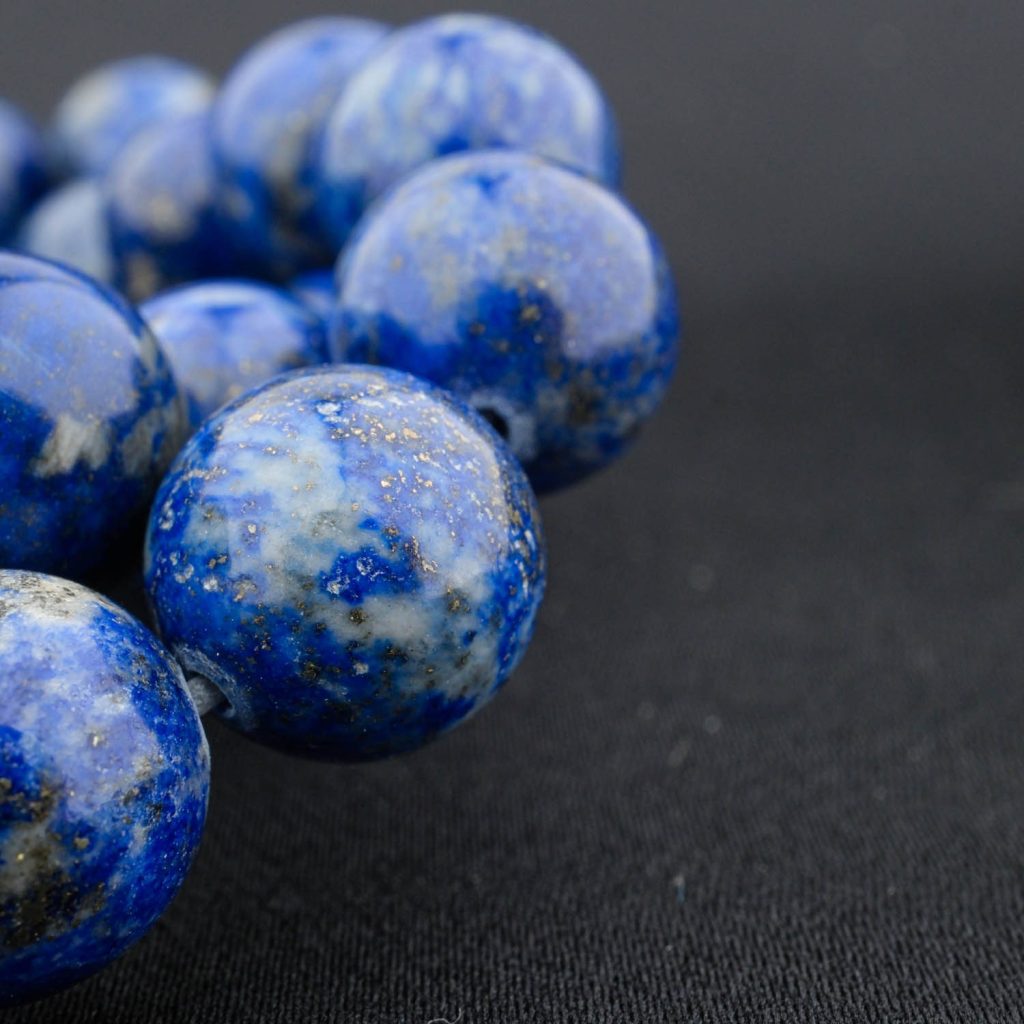
The lapis lazuli meaning has fascinated people for thousands of years, making it one of the most historically significant gemstones. Traditionally, lapis lazuli is associated with wisdom, truth, and spiritual insight, symbolizing clarity of mind and honest communication. Ancient civilizations, including the Egyptians, Mesopotamians, and Greeks, valued lapis lazuli for its protective and healing qualities, often using it in amulets, jewelry, and sacred objects. In modern crystal lore, the lapis lazuli meaning extends to enhancing intuition, opening the third eye, and promoting inner peace, making it a favorite choice for meditation and personal growth. Whether admired for its stunning deep blue color or revered for its symbolic significance, lapis lazuli carries a timeless meaning that continues to inspire and captivate collectors, artisans, and spiritual practitioners alike.
When selecting a lapis lazuli necklace, look for a stone with a deep, uniform blue color and minimal white calcite streaks. Flecks of golden pyrite are desirable, as they enhance the stone’s natural beauty. Consider the necklace setting—silver and gold both complement lapis lazuli—and choose a size and shape that suits your style.
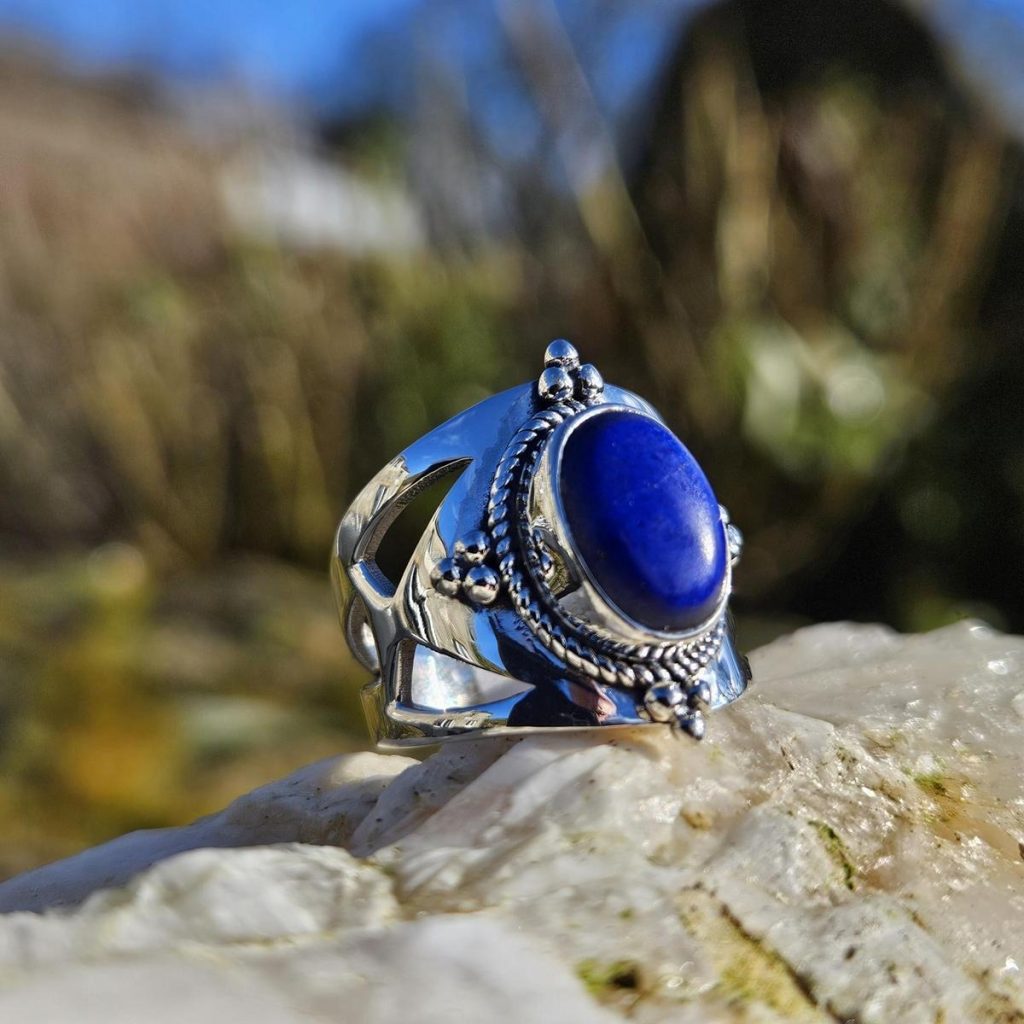
A high-quality lapis lazuli ring should feature a stone with rich blue color and few inclusions. Since lapis lazuli is a relatively soft stone (Mohs hardness around 5–5.5), choose a protective setting such as a bezel to prevent scratches. Always verify that the stone is natural and not dyed, as genuine lapis lazuli has a distinct, uneven pattern.
To maintain a lapis lazuli bracelet, avoid prolonged exposure to water, chemicals, or direct sunlight. Clean it gently using a soft, damp cloth—never use harsh detergents or ultrasonic cleaners. Store your bracelet separately to prevent scratches from harder gemstones or metals.
A lapis lazuli crystal should be cleaned with a soft cloth or by rinsing briefly with lukewarm water. Avoid soaking or using strong chemicals, as this can damage the stone. For energetic cleansing, some people prefer smudging with sage or placing the crystal in moonlight rather than sunlight, which may fade its rich blue color.
Always check the authenticity of the stone. Genuine lapis lazuli has a deep, vivid blue color, natural calcite streaks, and pyrite flecks. Compare prices across sellers—high-quality lapis lazuli commands a premium, but beware of overly cheap options that may be dyed or synthetic. Whether it’s a lapis lazuli necklace, ring, bracelet, or crystal, buying from a trusted source ensures both quality and longevity.