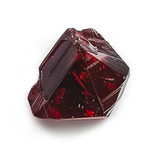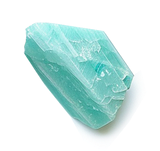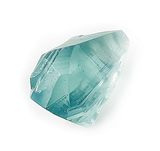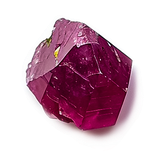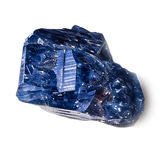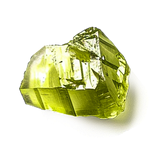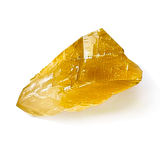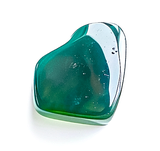
May is a month of peak vitality. In the Northern Hemisphere, it represents the full arrival of spring—a time of lush growth, blooming flowers, and the triumph of life over winter. It is only fitting that the May birthstone is the Emerald, a gemstone whose very name is synonymous with the color of nature itself.
The primary birthstone for May is the Emerald. Unlike some months that have multiple modern birthstones (like June or December), May has remained steadfastly loyal to the emerald since the first official lists were standardized by the American National Association of Jewelers in 1912.

The emerald is a variety of the mineral species Beryl. While beryl can come in many colors (blue becomes Aquamarine, pink becomes Morganite), it is the presence of specific trace elements that transforms it into the prestigious emerald.
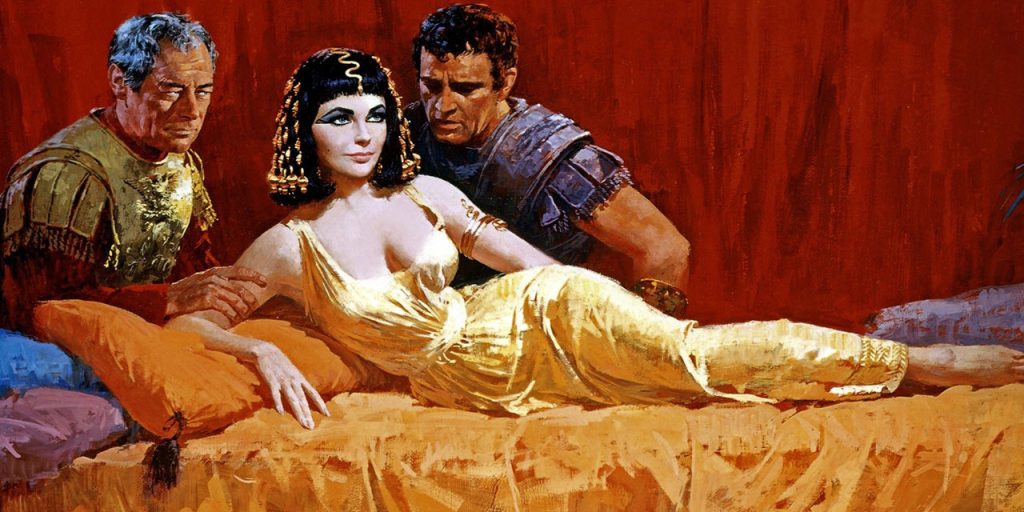
The earliest known emerald mines were in Egypt, dating back to at least 330 BC. Cleopatra was famous for her love of emeralds, using them not just for jewelry but as diplomatic gifts to display her wealth and power.
In the 16th century, Spanish conquistadors discovered the Muzo and Chivor mines in modern-day Colombia. These stones were far superior to the “Old World” Egyptian stones—larger, cleaner, and more intensely green. This discovery shifted the global center of the emerald trade to South America, where it remains today.
In India, the Mughal Emperors considered emeralds to be sacred. They often engraved them with prayers or floral motifs. The “Mogul Mughal” emerald is a world-famous 217-carat stone that stands as a testament to the stone’s importance in Eastern culture.

| Origin | Characteristics | Value Tier |
| Colombia | Warm, “pure” green; high transparency; “Three-phase” inclusions. | Premium |
| Zambia | Cooler, bluish-green; often has better clarity than Colombian stones. | Mid-to-High |
| Brazil | Generally lighter green; often used for commercial jewelry. | Affordable |
| Ethiopia | Vibrant neon greens; a relatively new and exciting source. | Emerging |
The most immediate significance of the May birthstone is its inextricable link to the season of Spring. In both Western and Eastern traditions, the lush green of the emerald mirrors the “re-greening” of the Earth.
In the realm of relationships, the emerald is frequently cited by gem therapists as the “Stone of Successful Love.” Unlike the fiery, impulsive passion associated with the ruby, the emerald represents a more mature, enduring, and stable form of affection.
Beyond emotion, the May birthstone has a long-standing reputation as a catalyst for the intellect. Throughout history, scholars and philosophers have turned to the emerald to sharpen their mental faculties.
While the emerald should never replace professional medical advice, the “lore of the stone” attributes several healing properties to the May birthstone, many of which have psychological foundations.
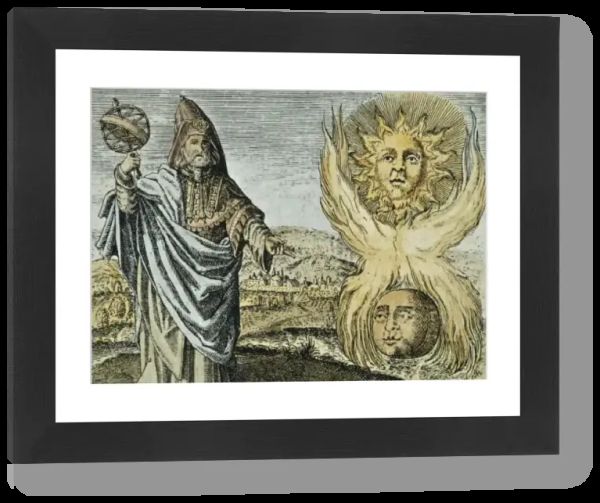
Finally, the emerald holds a sacred place in the history of Alchemy. The “Emerald Tablet” (Tabula Smaragdina) is a foundational text of Western hermeticism, said to contain the secrets of the universe and the primary substance. For the spiritual seeker, the May birthstone represents Divine Wisdom. It is a stone of “Infinite Patience,” reminding the wearer that true growth—much like the formation of the emerald itself—takes time, pressure, and resilience.