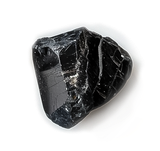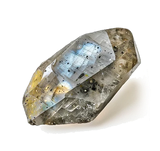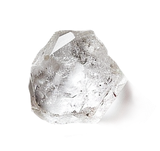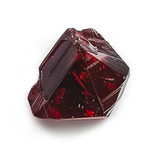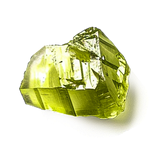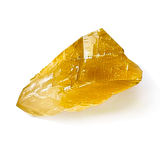
The November birthstone is known for its warm, golden glow and uplifting symbolism. If you are wondering what is November’s birthstone, the answer is beautifully simple: Topaz and Citrine. These two gemstones represent abundance, strength, and positivity, making them perfect for anyone born in November.
In this guide, we will explore everything you need to know about the birthstone for November, including colors, meanings, jewelry styles, and even the birthstone and flower for November.
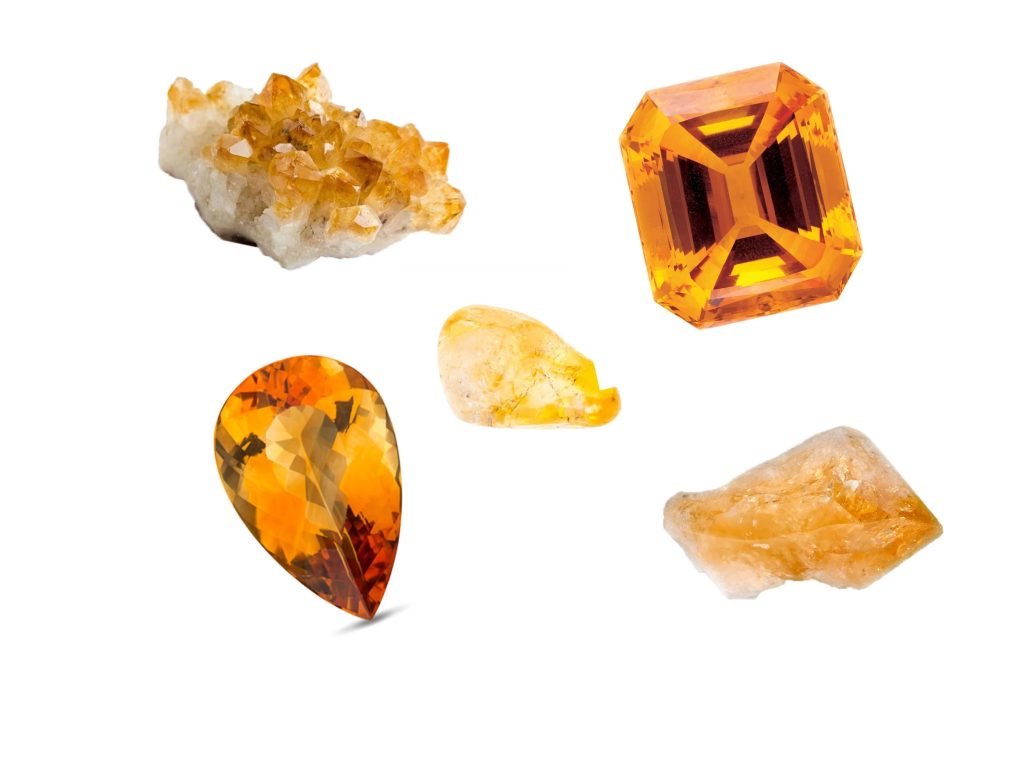
Many people ask, what is the birthstone for the month of November or what birthstone is November associated with. November is unique because it has two official birthstones:
Both are widely recognized as November birthstones, offering different shades of warm yellow and golden orange.
As the primary birthstone for November, Topaz is mined globally, primarily in Brazil, which produces the finest “Imperial Topaz.”
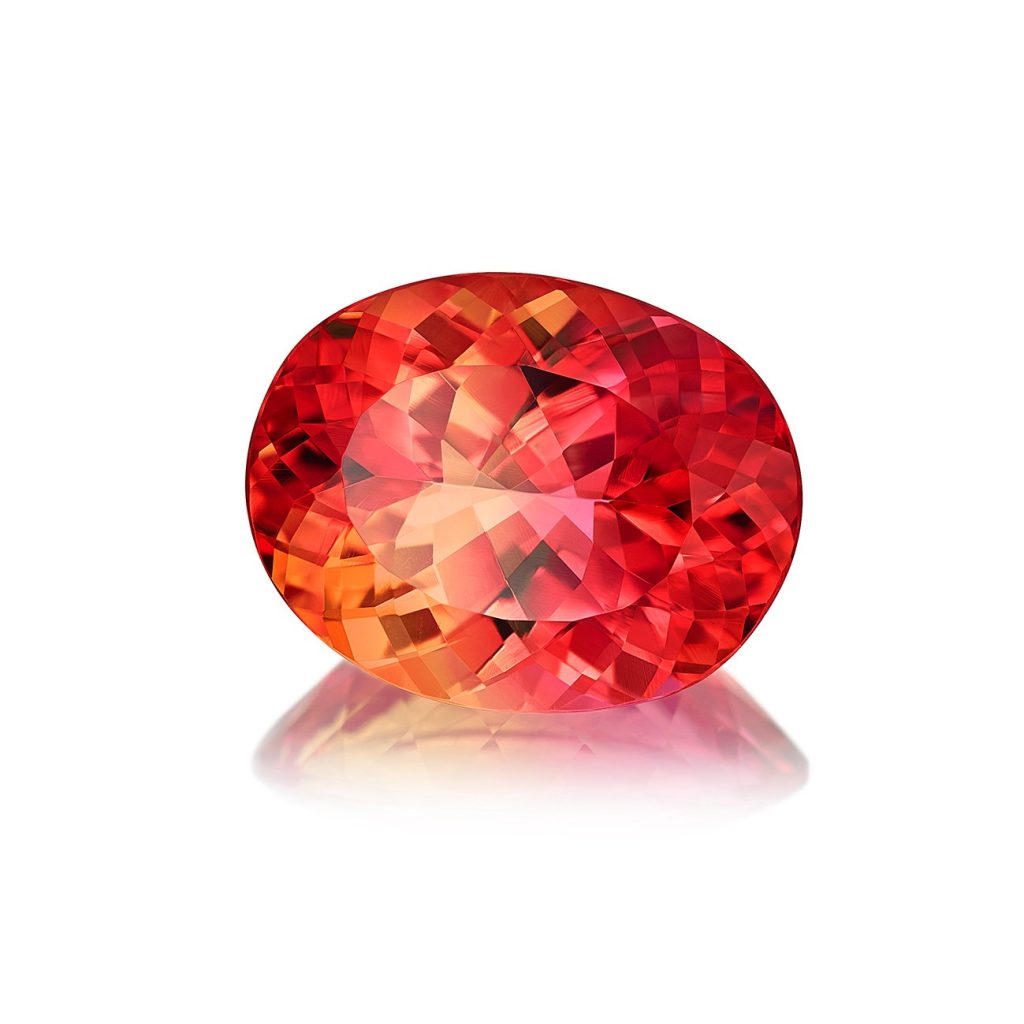
Other significant sources of this November birthstone gem include:
Whether it’s for a November birthstone ring or a November birthstone necklace, most of the world’s supply originates from these mineral-rich regions, ensuring a wide variety of colors and price points.
Citrine, the warm stone of November, is mainly found in places like Bolivia, Spain, Madagascar, Mexico, and Uruguay. Many of the bright orange stones we see in jewelry today actually start as amethyst from Brazil, which is gently heated to bring out its sunny golden glow.
One of the most special places for this gem is the Anahí mine in Bolivia. Tucked away in a quiet, beautiful wetland filled with wildflowers and wildlife, it is famous for producing natural citrine that hasn’t been treated by man.
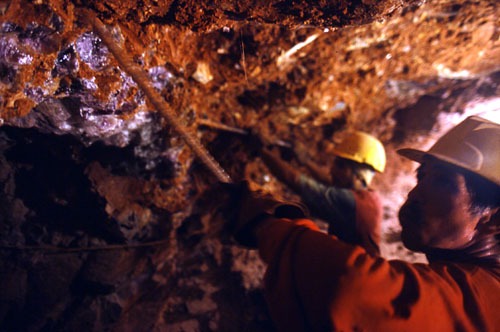
The mine has a lovely story behind it. It is named after a princess from the Ayoreos tribe. In the 1600s, the mine was given as a wedding gift to a Spanish explorer who married the princess. Though the mine was “lost” for 300 years, it was found again in the 1960s, and today it continues to provide the world with these beautiful symbols of November.
One of the most common questions is what color is November birthstone?
The birthstone color for the month of November typically includes:
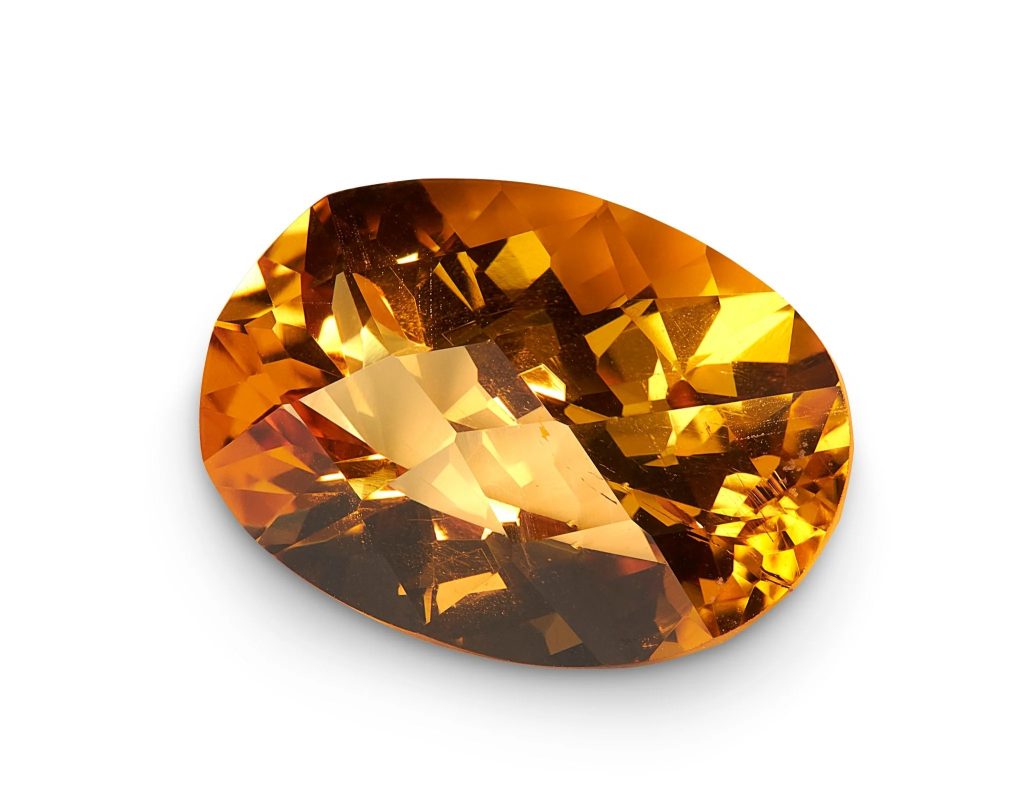
November birthstone color is associated with warmth, sunlight, and prosperity. Both Topaz and Citrine share this glowing palette, which makes November birthstone jewelry especially eye-catching.
| Feature | Topaz | Citrine |
| Primary Color | Varied (Blue, Yellow, Pink, Clear) | Yellow to Reddish-Orange |
| Hardness | 8 (Mohs Scale) | 7 (Mohs Scale) |
| Meaning | Strength, Wisdom, Longevity | Prosperity, Joy, Energy |
| Symbolism | Ancient Greeks believed it gave strength | Known as the “Merchant’s Stone” |
The November birthstone meaning is deeply connected to positive energy and emotional strength.
Together, these November birthstones reflect joy, generosity, and personal power.
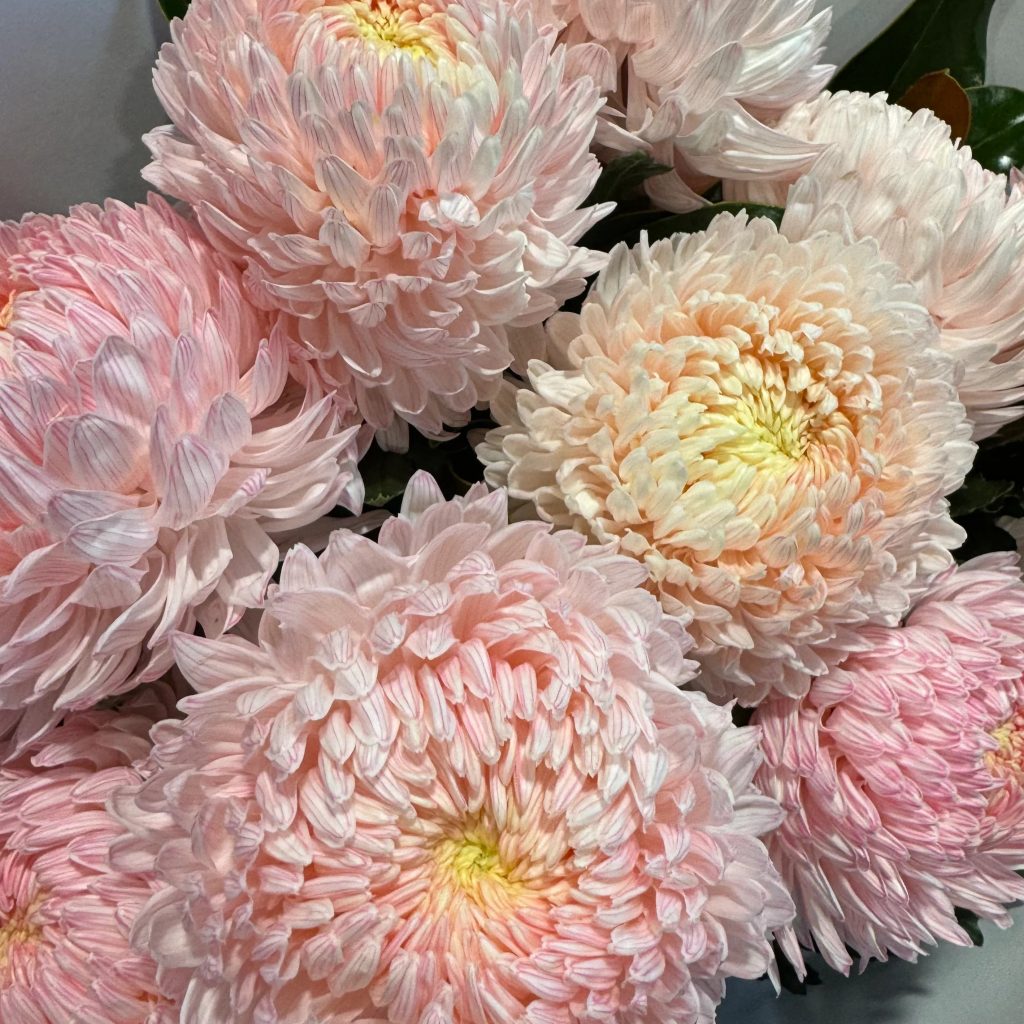
If you’re looking for the birthstone and flower for November, here is the traditional pairing:
Chrysanthemums symbolize loyalty, longevity, and joy—perfectly matching the optimistic energy of the November stone birthstone.
The answer to what is the birthstone for the month of November is actually two gems: Topaz and Citrine. Both are famous for their warm, golden tones, though Topaz offers a wider variety of colors, including the popular London Blue.
When people ask, “what color is November birthstone?” they are usually referring to the signature yellow or “Madiera” orange. However, the birthstone color for the month of November can range from the pale, icy blue of Treated Topaz to the deep, burnt orange of Citrine.
Generally, November birthstone citrine is more affordable and readily available in larger sizes. Topaz (the November birthstone), especially the rare “Imperial Topaz,” can be significantly more valuable. This makes Citrine a popular choice for statement November birthstone rings and large pendants.
Both stones are relatively durable (Topaz is an 8 on the Mohs scale, Citrine is a 7). To clean your November birthstone jewelry, use warm soapy water and a soft brush. Avoid steam cleaners or sudden temperature changes, especially for Topaz, which can develop internal cracks.