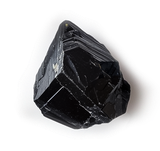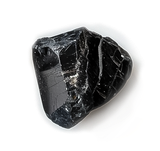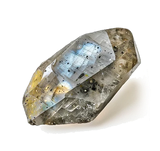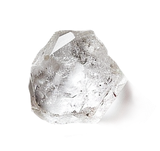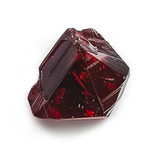
Birthstone for January: Garnet
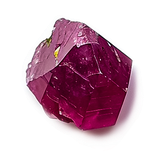
Primary Color: Deep red (with many natural variations)
Symbolism: Protection, vitality, passion, strength
Associated Chakra: Root Chakra
Mohs Hardness: 6.5–7.5
Cultural History: Ancient Egypt, Rome, Middle Ages, Asia
Modern Uses: Fine jewelry, healing practices, collector stones
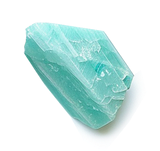
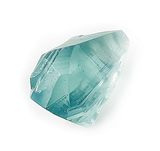
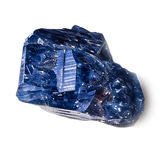
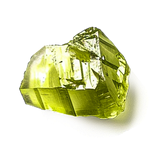
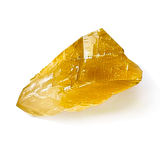
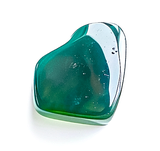
January’s official birthstone is garnet, a gemstone family composed of several closely related minerals. While most people associate garnet with a rich red color, garnets naturally occur in a wide spectrum of hues, including green, orange, yellow, purple, and rare blue varieties.
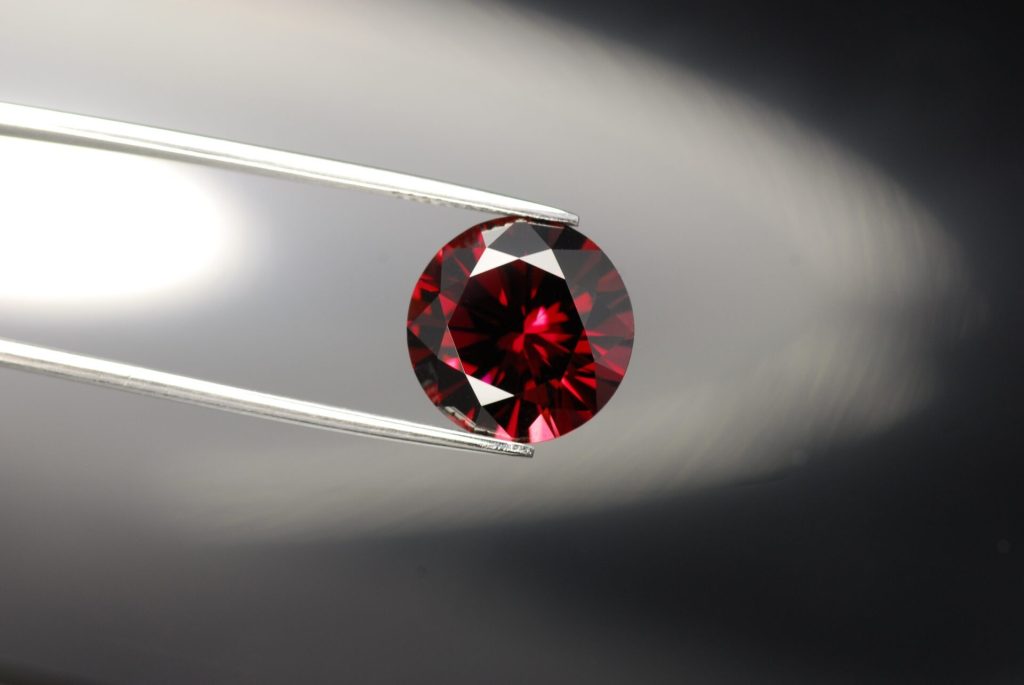
Despite this diversity, red garnet remains the traditional and most widely recognized stone for January birthdays.
From a mineralogical standpoint, garnet is not a single gemstone but a group of silicate minerals with similar crystal structures. This unique classification contributes to garnet’s durability, versatility, and widespread use throughout history.
The word garnet comes from the Latin term granatum, meaning “pomegranate.” This name reflects the gemstone’s resemblance to the red seeds of the pomegranate fruit.
The symbolism of abundance, fertility, and life associated with pomegranates further enhanced garnet’s mystical reputation across cultures.
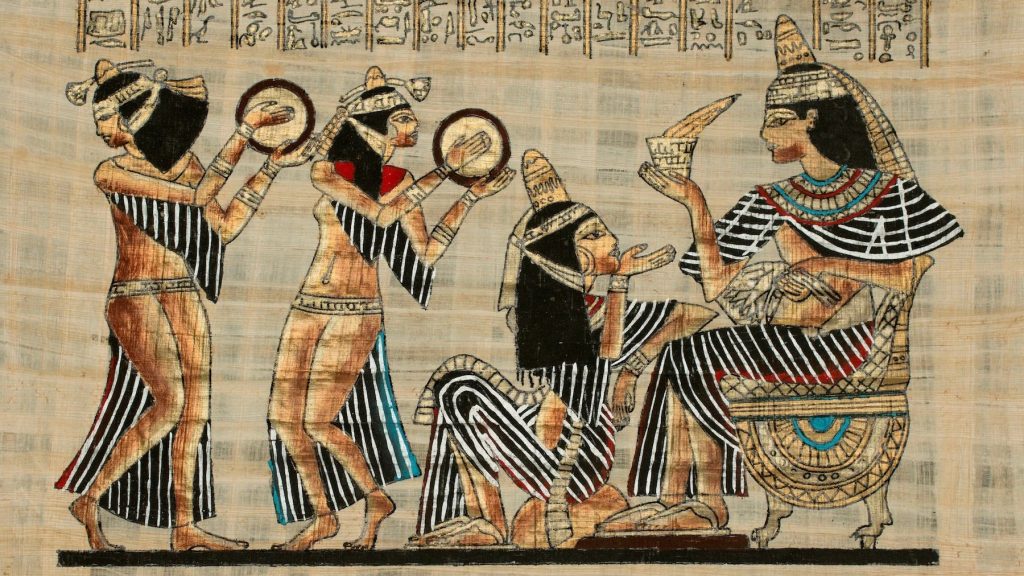
Archaeological discoveries show that garnet jewelry was already in use in Ancient Egypt more than 5,000 years ago. Garnet beads, amulets, and inlaid ornaments have been found in tombs belonging to both royalty and high-ranking officials. These gemstones were often set in gold, reflecting the Egyptians’ belief in garnet as a symbol of life force and renewal.
Ancient Egyptians associated garnet with blood, the sun, and vital energy. Because of this connection, garnet was believed to support strength, protection, and rebirth. It was commonly included in burial adornments, as Egyptians believed gemstones could guide and safeguard the soul on its journey to the afterlife. Garnet amulets were also worn during life as protective talismans, particularly by individuals of high status.
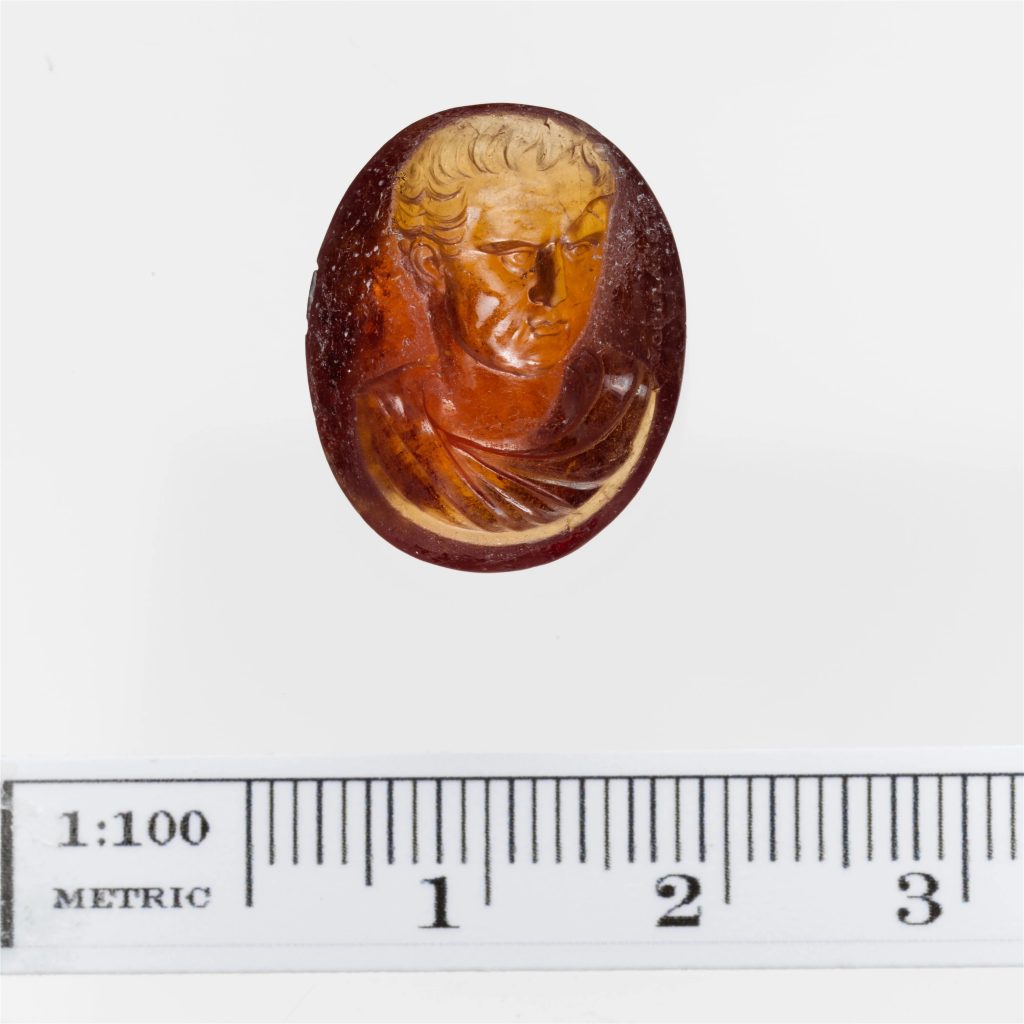
In Ancient Rome, garnet played both a decorative and functional role. Roman society highly valued gemstones not only for their beauty but also for their practical uses. Garnet was frequently carved and set into signet rings, which were used by officials, merchants, and aristocrats to seal documents and correspondence in wax.
The gemstone’s durability and smooth, polished surface made it ideal for engraving intricate symbols and family crests. These signet rings served as personal identifiers and carried legal authority. Beyond its practical applications, garnet was also associated with power, loyalty, and social status. Wearing garnet jewelry signaled wealth and influence within Roman society.
During the Middle Ages, garnet became widely known as a protective stone. European travelers, soldiers, and crusaders believed garnet could guard against illness, accidents, and misfortune. It was common for warriors to carry garnet amulets or wear garnet-set jewelry during battles and long journeys.
Medieval folklore often described garnet as a stone that could illuminate the night and provide guidance in dark or dangerous situations. Merchants traveling along trade routes also favored garnet, believing it offered protection from theft and harm. This period firmly established garnet’s reputation as a gemstone associated with safety, courage, and endurance.

In Asian cultures, particularly in India and China, garnet held strong spiritual and symbolic meaning. In India, garnet was linked to vitality, prosperity, and the balance of life energy. Traditional beliefs associated garnet with grounding forces and physical strength, making it a favored stone for both ornamentation and spiritual practices.
In Chinese traditions, garnet was connected to longevity, harmony, and inner stability. Some ancient texts describe garnet as a gemstone that supports the flow of energy within the body and promotes balance between physical and emotional states. Garnet was often used in decorative objects, jewelry, and ceremonial items, reflecting its enduring cultural significance across Asia.
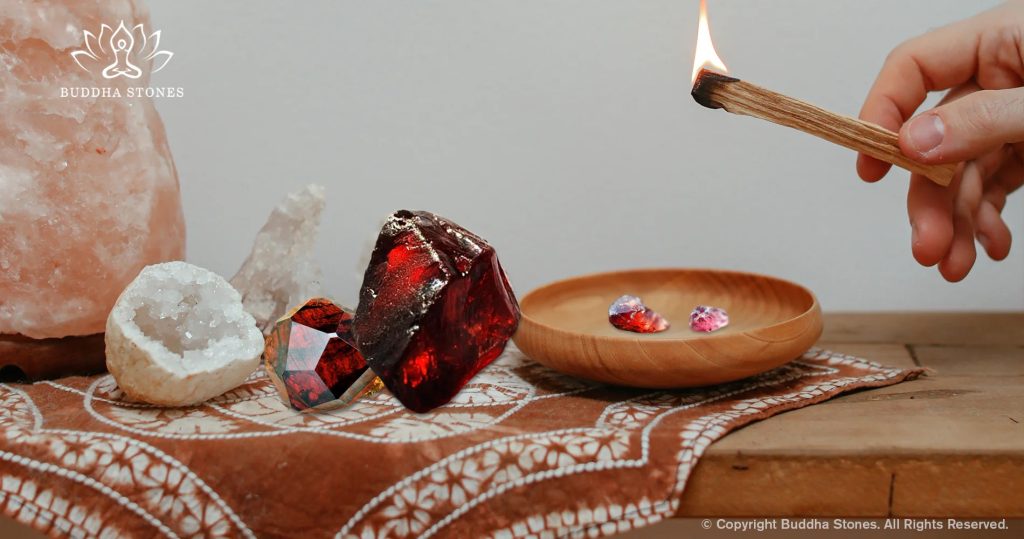
Garnet forms deep within the Earth under high temperature and pressure conditions, commonly in metamorphic rocks such as schist and gneiss. Some varieties also form in igneous rocks.
Because garnet crystals develop slowly under intense geological conditions, they are often exceptionally well-structured and durable.
• Almandine – Deep red to reddish-brown; the most common January birthstone
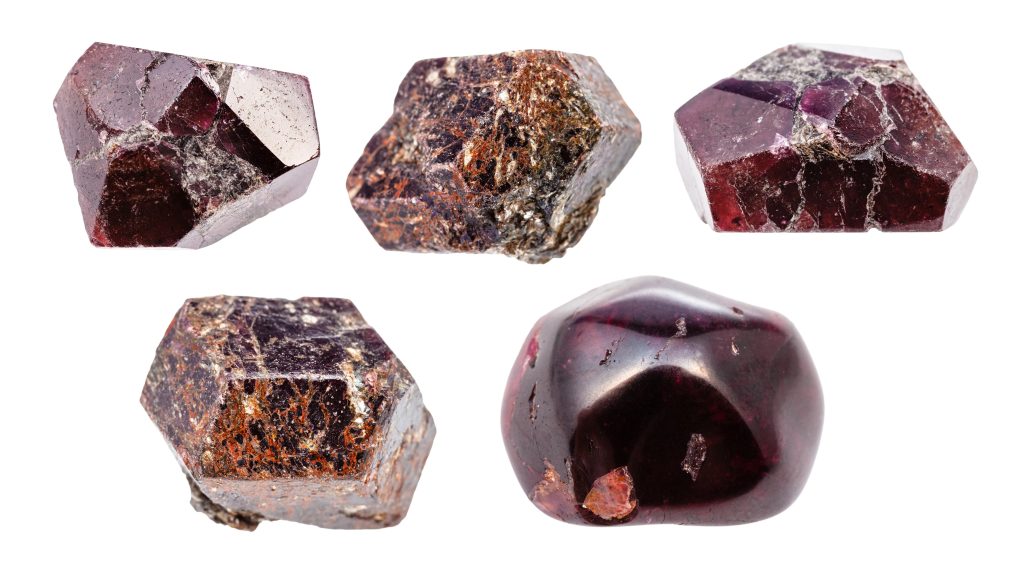
• Pyrope – Dark crimson; historically popular in antique jewelry
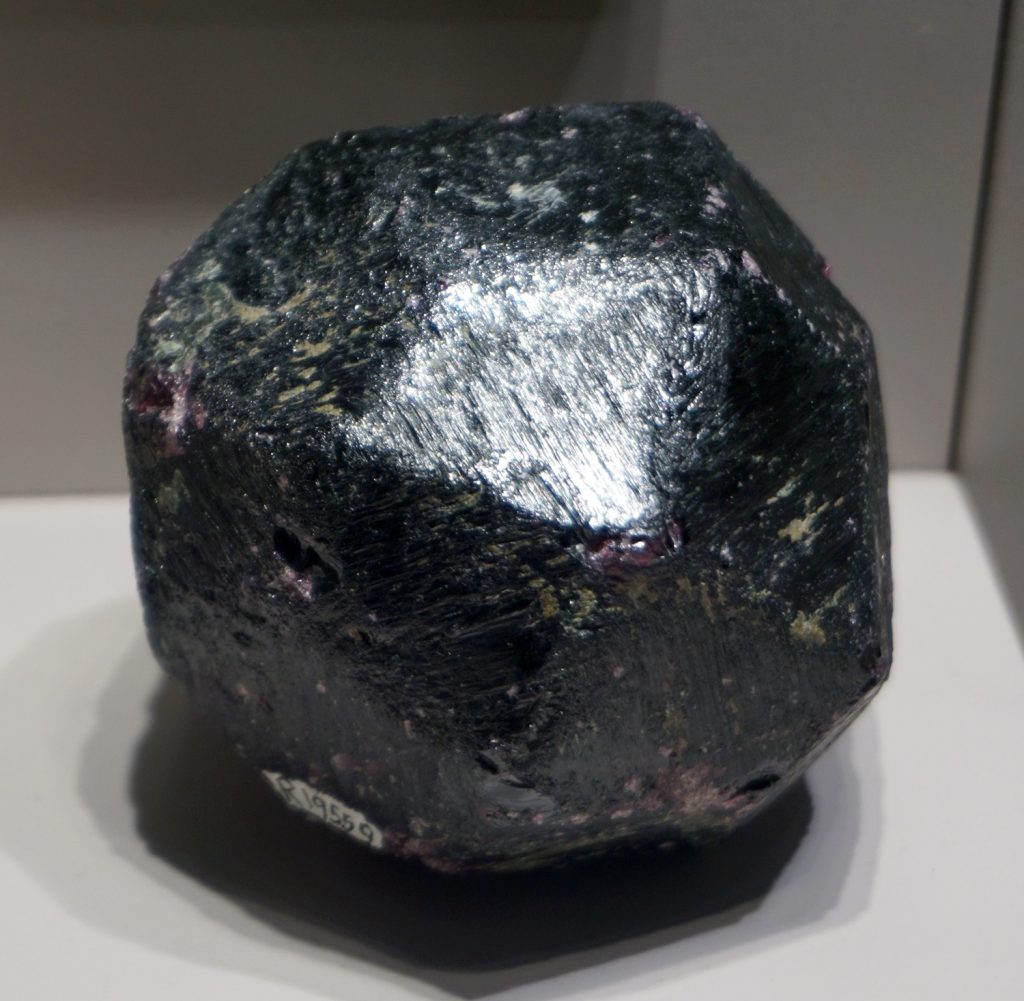
• Spessartine – Orange to reddish-orange
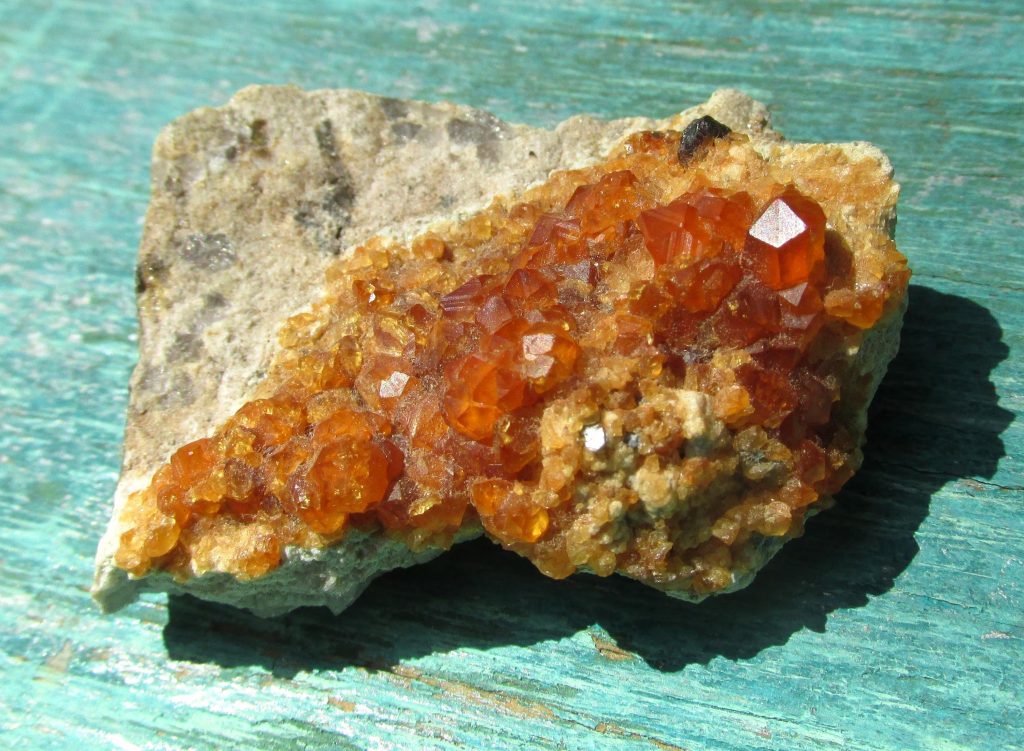
• Grossular – Green, yellow, or colorless
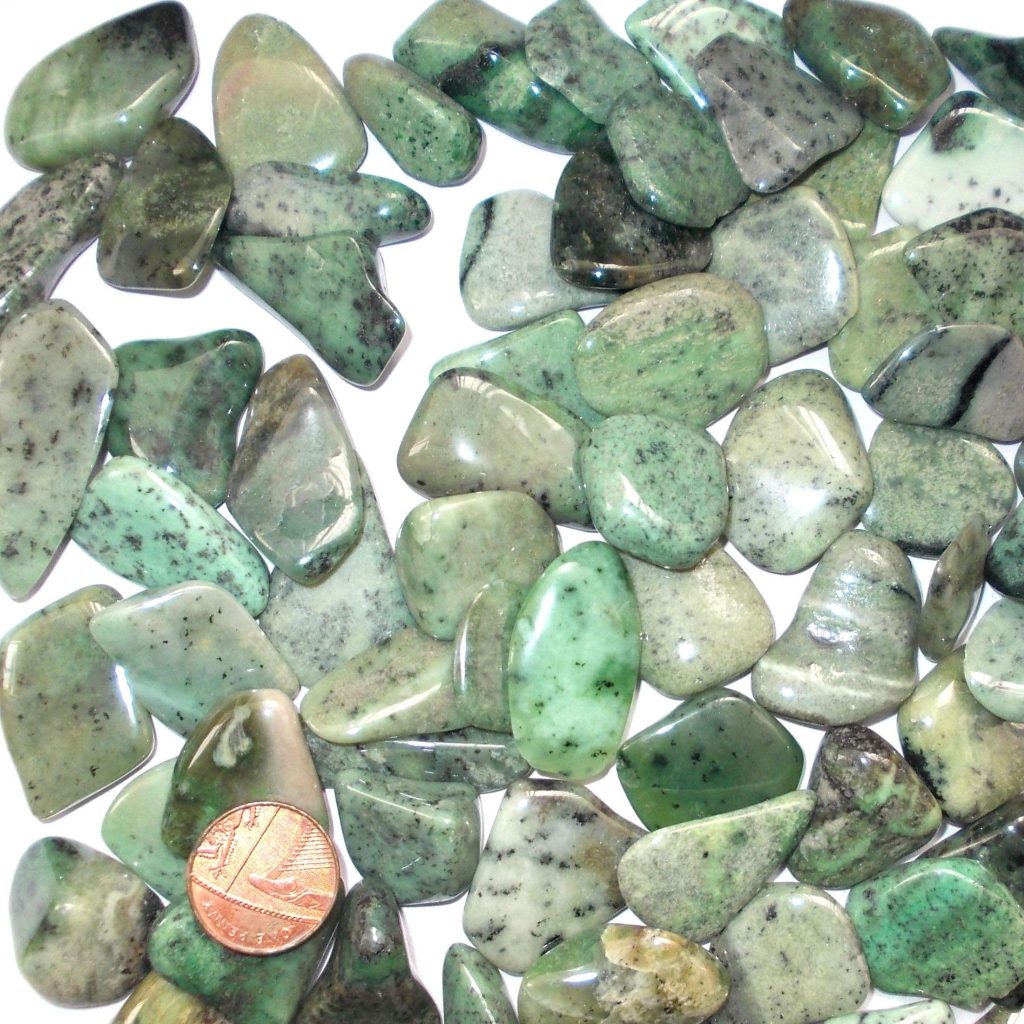
• Andradite – Includes rare green demantoid garnets
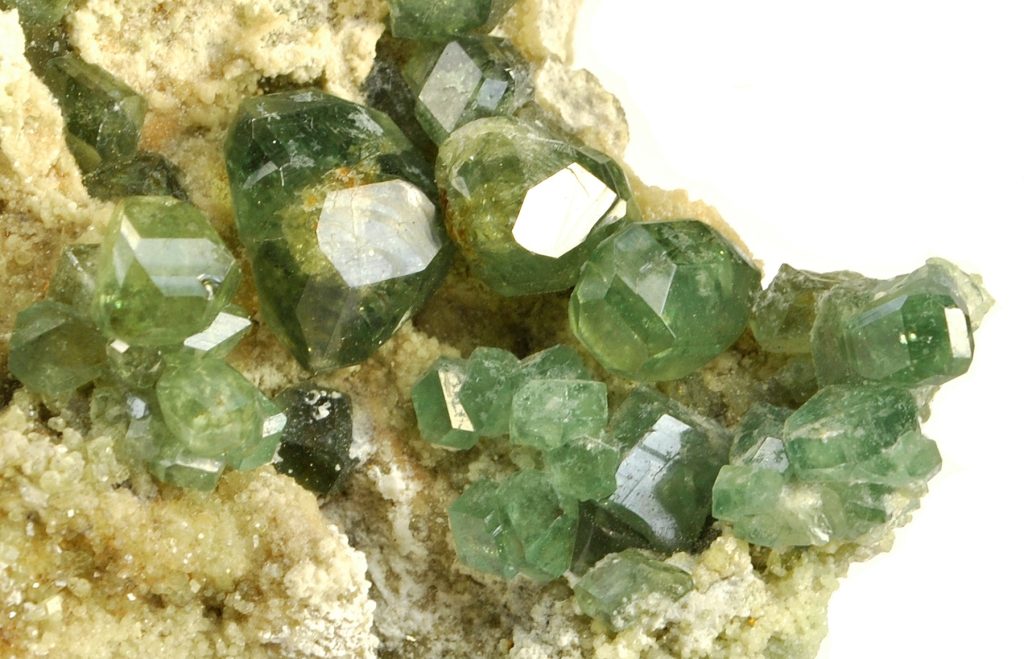
• Uvarovite – Emerald-green and extremely rare
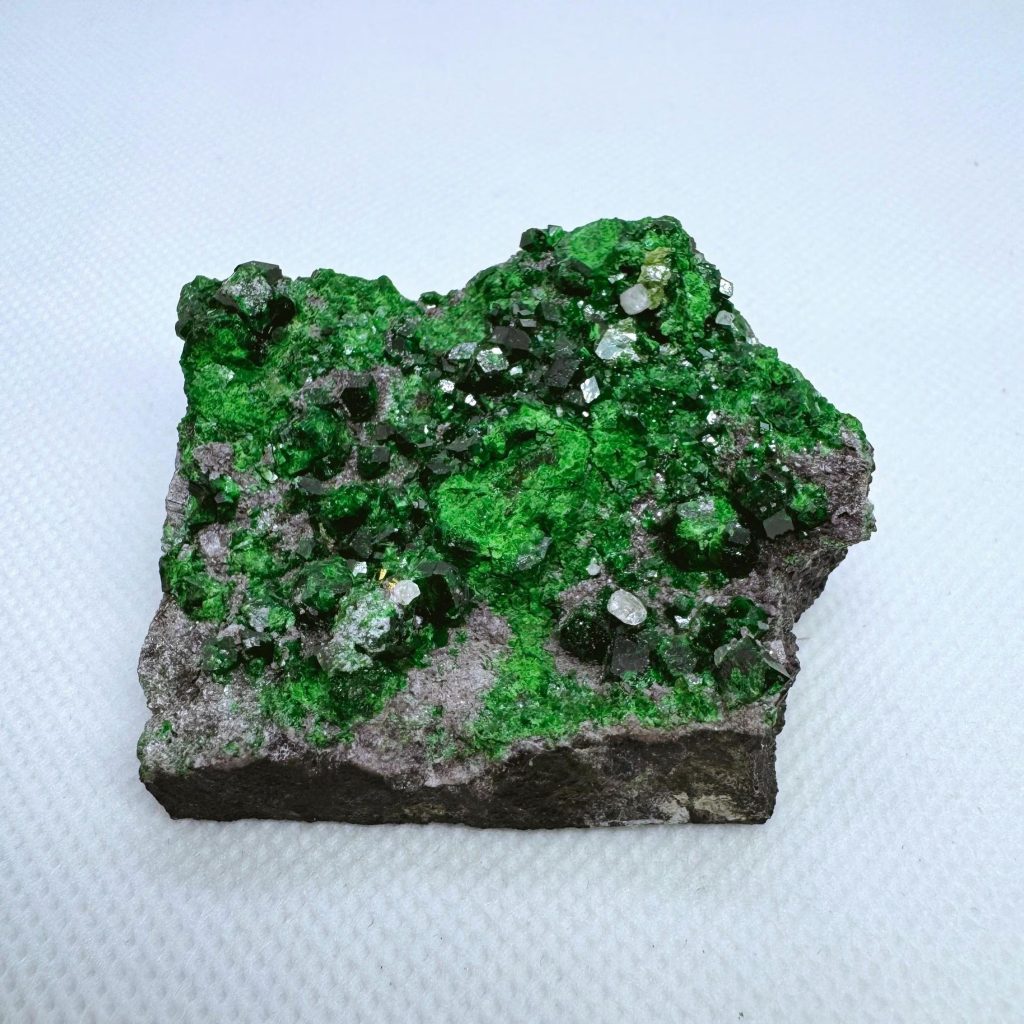
Garnet’s meaning has remained remarkably consistent throughout history. It is universally associated with energy, strength, and protection.
For those born in January, garnet represents:
• Emotional resilience
• Strong foundations and stability
• Passion and motivation
• Commitment and loyalty
• Renewal during difficult times
Because January marks the beginning of a new year, garnet’s symbolism aligns naturally with themes of renewal, endurance, and inner strength.
Garnet and Energy
In spiritual traditions, garnet is believed to activate and strengthen the root chakra, which governs security, grounding, and physical vitality. A balanced root chakra is associated with confidence, courage, and emotional stability.
Emotional Symbolism
Garnet has long been linked to deep emotional bonds. It symbolizes devotion, trust, and long-lasting affection, which is why it has historically been exchanged between lovers and family members.
Protective Symbolism
Across cultures, garnet has been worn as a protective stone believed to shield its wearer from negative energy, fear, and harm.
With a Mohs hardness of 6.5 to 7.5, garnet is suitable for most types of jewelry, including rings, necklaces, bracelets, and earrings. When properly set and cared for, garnet jewelry can last for generations.
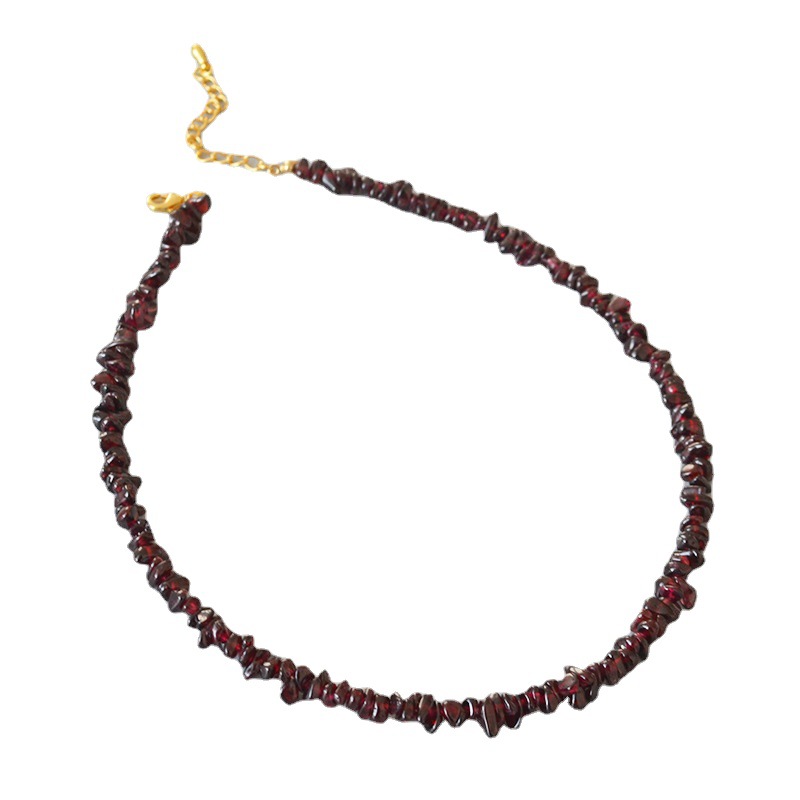
No. Garnet occurs in many colors, but red remains the traditional January birthstone.
Garnet is the official and historically recognized birthstone for January. While some modern or alternative birthstone lists occasionally mention stones such as rose quartz or onyx, these are not part of the traditional birthstone system.
Major gemological institutions and industry authorities continue to recognize garnet as the true January birthstone due to its long-standing historical, cultural, and commercial significance.
Authentic garnets typically display several key characteristics:
• A rich, saturated color rather than a flat or dull appearance
• Natural inclusions visible under magnification
• High brilliance without excessive or artificial-looking sparkle
• A cool temperature when first touched, typical of natural gemstones
For higher-value garnet pieces, purchasing from reputable jewelers or requesting gemological certification is strongly recommended.
Proper care helps preserve the beauty and longevity of garnet jewelry. Recommended care practices include:
• Cleaning with warm water and mild soap
• Using a soft brush or cloth to remove surface dirt
• Avoiding ultrasonic or steam cleaners, especially for softer garnet varieties
• Storing garnet jewelry separately to prevent scratching
• Removing jewelry during strenuous activities or exposure to harsh chemicals
With appropriate care, garnet jewelry can maintain its brilliance and structural integrity for many years.
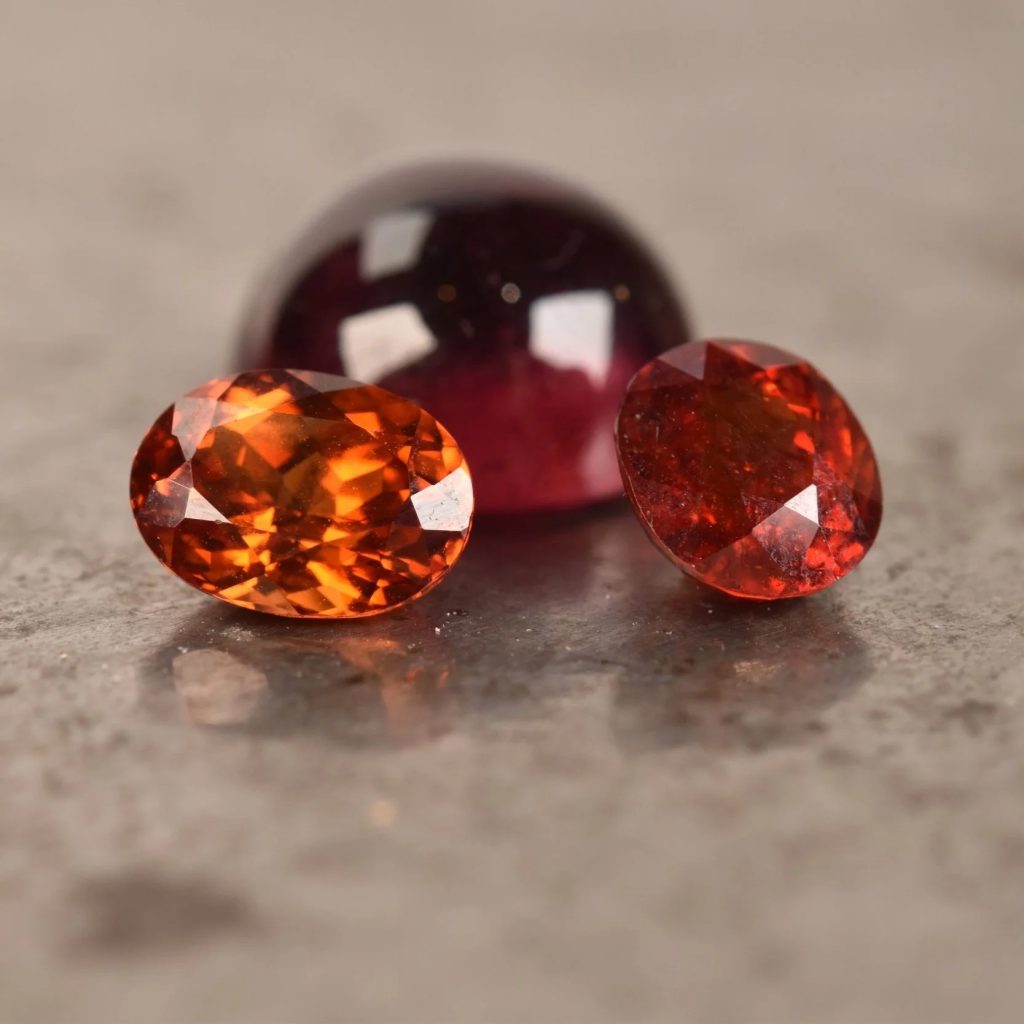
January’s birthstone, garnet, is far more than a beautiful red gemstone. It is a symbol of endurance, passion, protection, and renewal that has stood the test of time. From ancient civilizations to contemporary jewelry design, garnet remains a powerful and meaningful stone for those born in January and for anyone drawn to its rich history and symbolism.
As both a personal talisman and a timeless gem, garnet continues to hold a respected place in the world of gemstones and fine jewelry.