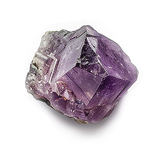
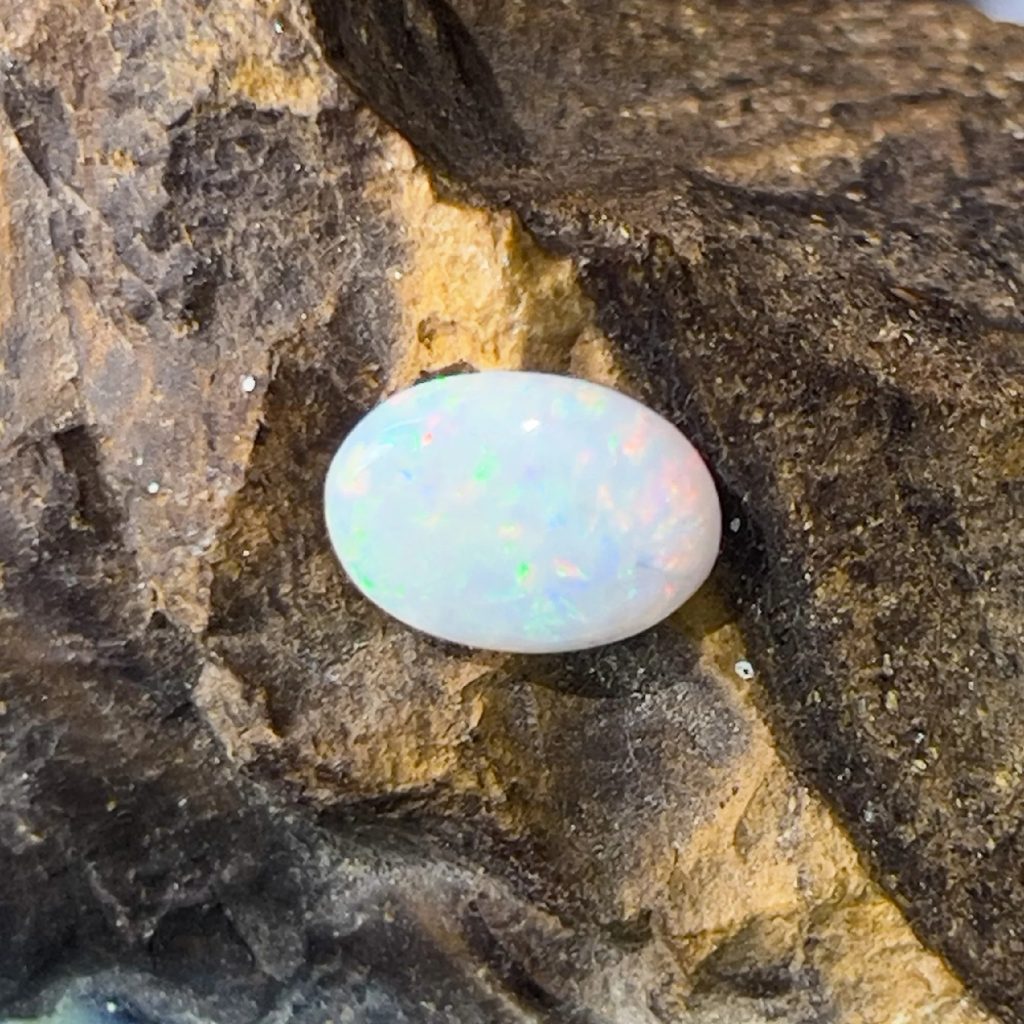
Opal is a hydrated form of silica, chemically written as SiO₂·nH₂O. Unlike most gemstones, opal is not crystalline. Instead of having a rigid, repeating crystal structure, opal is classified as a mineraloid because its internal structure is amorphous.
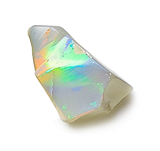
This difference in structure is what gives opal its most defining feature: play-of-color. Rather than absorbing or reflecting light uniformly, opal diffracts light through microscopic silica spheres arranged in a regular pattern. As light interacts with these spheres, different wavelengths are reflected back to the eye, creating flashes of spectral color.
The amount of water in opal typically ranges from 3% to 21%, which plays a significant role in its stability and care requirements.
Opal forms through a slow geological process that can take millions of years. It begins when silica-rich water seeps into cracks, voids, or cavities in rock formations. Over time, as the water evaporates or conditions change, silica particles are left behind.
These particles gradually settle into tightly packed spheres. When conditions are just right—specifically when the spheres are uniform in size and arranged in an orderly structure—the result is precious opal with play-of-color. If the spheres are irregular or poorly arranged, the opal will lack color play and be classified as common opal.
Opal can form in a variety of environments, including sedimentary rocks, volcanic deposits, and even fossilized remains such as shells, wood, and bones.
Play-of-color is often confused with iridescence or surface reflection, but it is a unique optical effect specific to opal. It occurs when light waves are diffracted by layers of silica spheres inside the stone.
The most valuable opals typically display:
The pattern of color—whether it appears as broad flashes, pinpoints, rolling bands, or mosaic-like patches—also plays a significant role in determining value.
Opal is broadly divided into two main categories:
Precious opal displays play-of-color. This category includes black opal, white opal, crystal opal, fire opal (when play-of-color is present), and boulder opal.
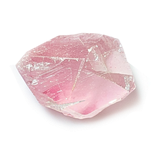
Common opal does not display play-of-color. It may appear milky, translucent, opaque, or vividly colored, but its color remains static. Varieties of common opal include pink opal, blue opal, green opal, and dendritic opal.
While common opal can still be attractive and collectible, precious opal is generally more valuable due to its optical rarity.
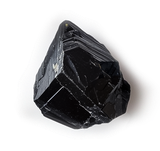
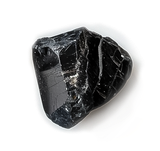
Black opal is considered the rarest and most valuable type. Its dark body tone—ranging from dark gray to jet black—creates a dramatic contrast that makes the colors appear brighter and more intense. Most black opals come from Lightning Ridge, Australia.
White opal, sometimes called light opal, has a pale or milky body color. It is the most common type of precious opal and is also primarily mined in Australia.
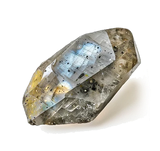
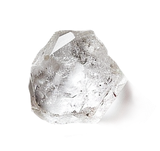
Crystal opal is transparent to semi-transparent and displays play-of-color within a clear or lightly tinted body. High-quality crystal opals can be extremely valuable due to their depth and clarity.
Boulder opal forms within ironstone rock. The opal remains naturally attached to its host matrix, creating organic and often dramatic patterns.
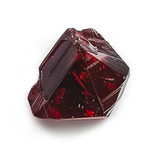
Fire opal is known for its warm body colors—yellow, orange, or red. Some fire opals display play-of-color, while others do not. Mexico is the most famous source of fire opal.
Australia produces over 90% of the world’s precious opal. Major mining areas include:
Ethiopian opals, especially from the Wollo region, are known for their vivid colors and affordability. Some are hydrophane opals, meaning they can absorb water, which affects appearance and stability.
Mexico is the primary source of fire opal, particularly in shades of orange and red.
Opal is also found in Brazil, Honduras, the United States, Indonesia, and Slovakia, though in smaller quantities.
Opal has a long and complex history. In ancient Rome, opal was regarded as the most powerful of gemstones because it seemed to combine the beauty of all other gems into one.
During the Middle Ages, opal was believed to grant invisibility and protect against illness. In Arabic legends, opals were said to fall from the sky in flashes of lightning.
However, opal’s reputation suffered in the 19th century after being portrayed as a symbol of bad luck in a popular novel. This superstition has since been largely dismissed, especially in Australia, where opal is considered a national gemstone and a symbol of pride.
Yes, opal is the traditional birthstone for October. It is associated with creativity, imagination, and emotional expression. Alongside tourmaline, opal represents diversity and individuality.
Opal ranks between 5.5 and 6.5 on the Mohs hardness scale, making it softer than many gemstones used in jewelry. Its water content also makes it sensitive to rapid temperature changes and prolonged dryness.
Care tips include:
With proper care, opal jewelry can last for generations.
Formed naturally in the earth without artificial enhancement.
May include smoke-treated or sugar-treated opals, where the body color is darkened to enhance contrast.
Lab-created opals mimic natural play-of-color but have a uniform, patterned appearance.
Made from glass or plastic and lacks the internal structure of real opal.
Understanding these differences is essential when evaluating authenticity and value.
Several factors influence opal pricing:
Red-dominant opals with strong brightness and rare patterns typically command the highest prices.
Opal stands apart from all other gemstones. No two opals are exactly alike, and even a single stone can appear different depending on lighting and movement. This individuality is what draws collectors, jewelers, and enthusiasts to opal time and time again.
Rather than perfection, opal celebrates variation, movement, and unpredictability. It is a gemstone that reflects nature’s creativity in its purest form.
Opal is more than just a beautiful gemstone—it is a geological wonder, a cultural symbol, and a deeply personal stone for many who wear it. Understanding what opal is, how it forms, and what makes it valuable allows for a deeper appreciation of its beauty and complexity.
Whether admired as a collector’s gem or worn as jewelry, opal continues to captivate with its ever-changing colors and timeless mystery.