Free shipping on all u.s. orders over $50

Free Shipping OOn All U.S. Orders Over $50

Birthstones

Birthstone
MonthModern BirthstoneTraditional BirthstoneColor Reference
JAN

Garnet 

Garnet

Deep Red
FEB

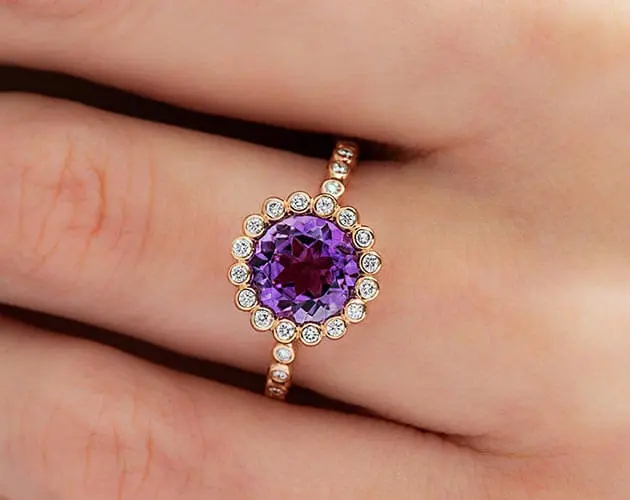
Amethyst

Amethyst

Purple
MAR

Aquamarine

Bloodstone

Pale Blue / Dark Green
APR

Diamond

Diamond

Colorless/White
MAY

Emerald

Emerald

Vivid Green
JUNE

 Pearl

Pearl

Color-change / White
JUL

Ruby

Ruby

Bright Red
AUG

Peridot 

Spinel

Sardonyx

Lime Green / Red-Orange
SEP

Sapphire

Sapphire

Royal Blue
OCT

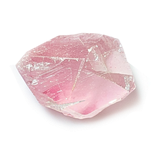
Pink Tourmaline

Opal

Pink / Multi-color
NOV

Citrine

Golden Topaz


Yellow / Golden
DEC

Blue Zircon

Blue Topaz

Tanzanite

Turquoise 

Lapis Lazuli

Turquoise / Azure Blue

January | Garnet

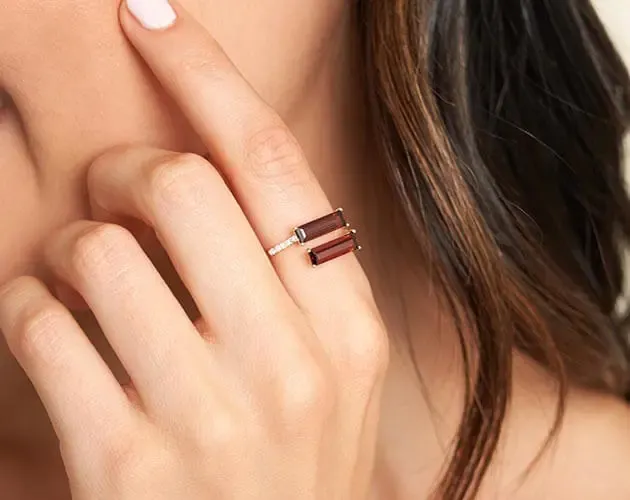
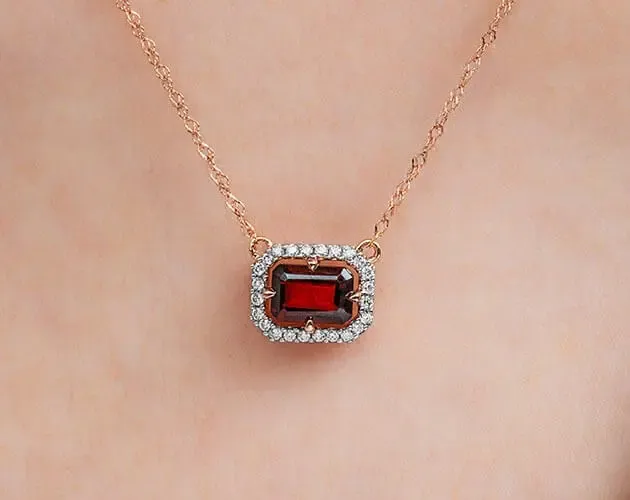
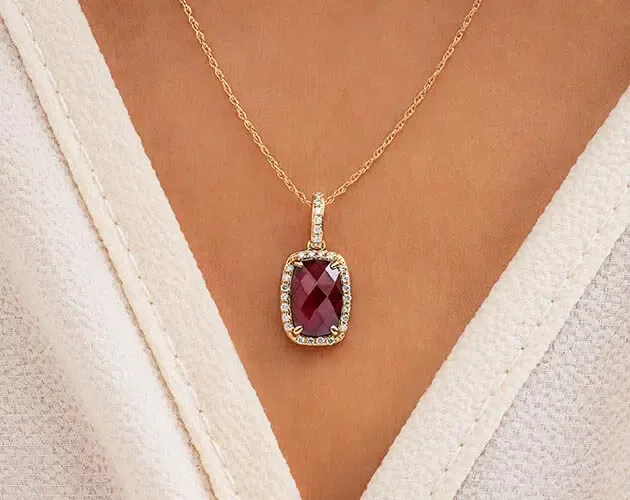
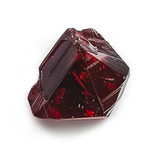
Think garnets only come in red? Think again. These vibrant gemstones exist in nearly every color imaginable, offering a perfect match for any jewelry piece—and a dream come true for January birthdays. The garnet “family” is fascinatingly complex; rather than a single stone, it’s a sophisticated collection of various species and colorful sub-varieties.

Some believe that garnets are a protective stone, shielding the wearer from injury. This made them particularly popular amongst warriors and royalty. Occasionally associated with life-giving blood, red-variety garnets are also connected to vitality, love, and light.

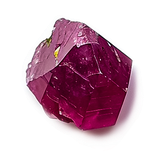
Beyond its classic crimson roots, garnet offers a breathtaking palette including vibrant greens, purplish hues, and sun-drenched yellows or oranges. It is not uncommon to discover large, magnificent crystals that boast both high transparency and intense saturation. This incredible variety ensures that the January birthstone provides a perfect, brilliant match for every unique style.

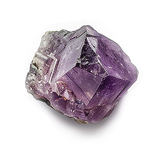
February | Amethyst

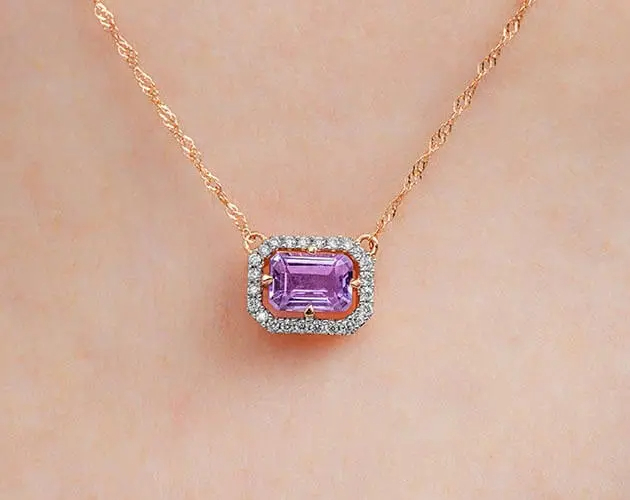
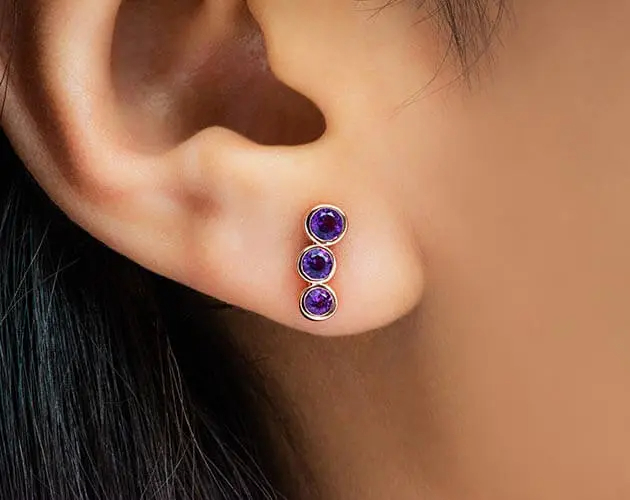
Amethyst is a crystalline form of quartz, displaying hues that range from soft lilac to rich, reddish purple. With a hardness rating of 7 on the Mohs scale, it offers excellent resistance to scratches, making it a durable and practical choice for everyday jewelry. As February’s birthstone, amethyst is well suited for rings, necklaces, earrings, and other fine jewelry designs.

The color purple has long been associated with royalty and nobility, which is why amethyst was historically favored by kings and queens. Over time, the stone also gained symbolic meanings related to spirituality, inner peace, mental clarity, and emotional healing.

Amethyst is a purple variety of quartz, with color intensity ranging from light lavender to deep, vibrant violet. In general, stones with richer, more saturated color are considered more desirable and tend to hold greater value than paler specimens.

March | Aquamarine

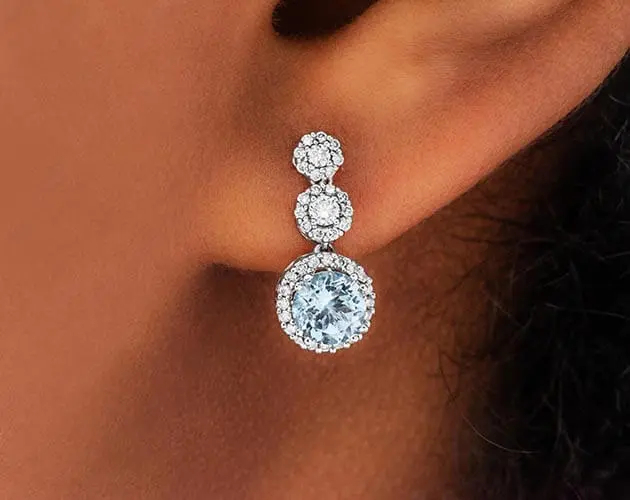
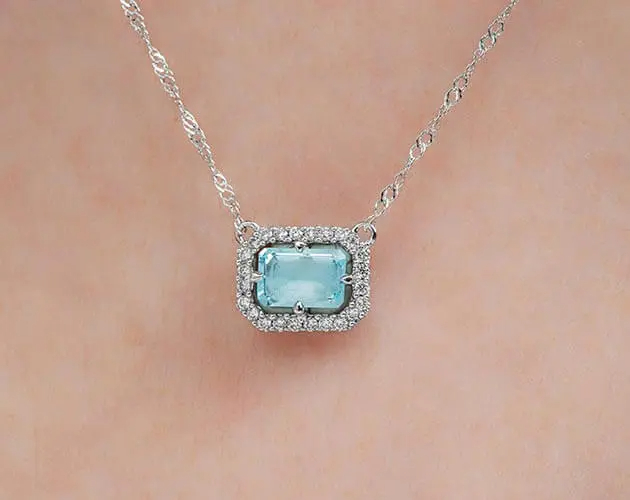
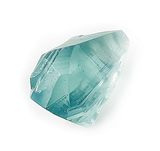
Aquamarine takes its name from the color of seawater and belongs to the beryl family, displaying shades that range from soft blue to blue-green. Known for its good availability and reasonable pricing, aquamarine is a popular and practical choice for jewelry, making it the traditional birthstone for March.

The word “aquamarine” is derived from the Latin term meaning “seawater.” Historically, the gemstone was believed to protect sailors and ensure safe voyages. Over time, aquamarine has also become associated with marital harmony, clear communication, and intellectual clarity.

Aquamarine typically appears in light blue to blue-green tones. Its color is naturally soft and delicate, with low saturation and brightness, so darker blue or green shades are not characteristic of this gemstone.

April | Diamond

Diamond is the most widely chosen gemstone for rings around the world. Valued for its timeless beauty, brilliance, and clarity, diamond jewelry has long been regarded as a symbol of prestige and refinement.

Thanks to their exceptional hardness, durability, and enduring appeal, diamonds are closely associated with strength, commitment, and everlasting love. For this reason, they have become the traditional centerpiece for both engagement rings and wedding bands.

Although most diamonds are prized for their colorless appearance, they naturally occur in a wide spectrum of rare fancy colors. From vivid yellows and deep blues to extremely rare reds, fancy colored diamonds offer unique options for a variety of tastes and occasions.

May | Emerald

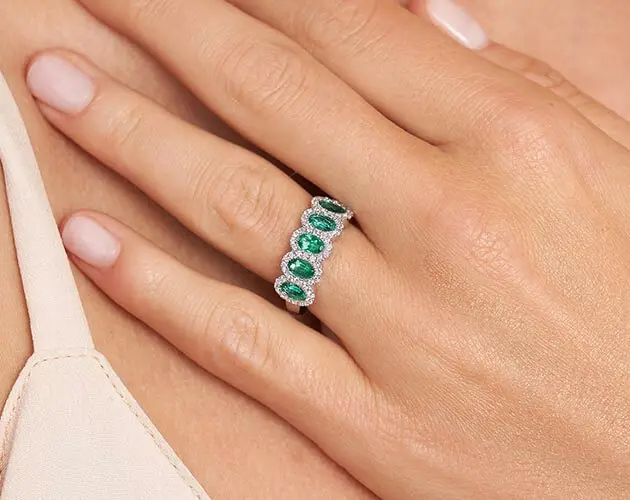
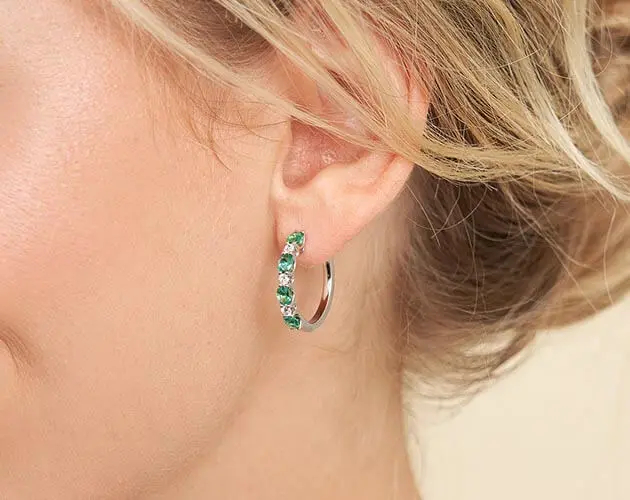
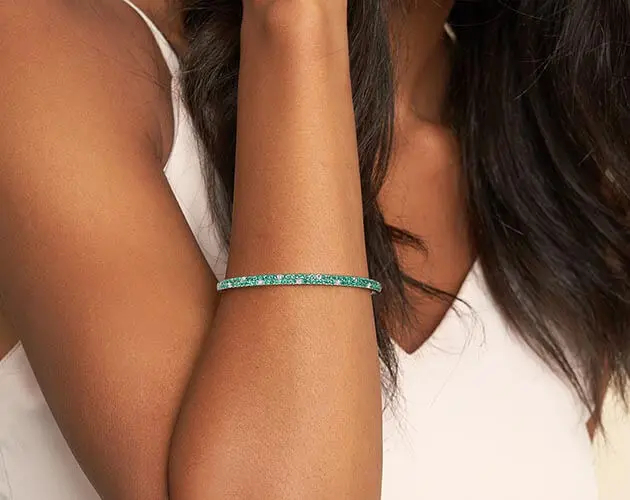
Emerald has been closely associated with the color green since ancient times. A high-quality emerald is truly captivating, and as a member of the beryl family, it rightfully holds a place among the traditional “Big Four” gemstones, alongside diamond, ruby, and sapphire.

Legend suggests that emeralds enhance intelligence and encourage clear, objective thinking. The gemstone has also long been linked to healing and renewal, and some historical beliefs even claimed that emeralds could grant insight into the future.

The finest emeralds display a rich, evenly distributed green color, sometimes with subtle blue undertones. Emeralds commonly contain inclusions that are often visible to the naked eye, a characteristic accepted as part of the stone’s natural beauty. In general, stones with fewer and less noticeable inclusions are considered more valuable.

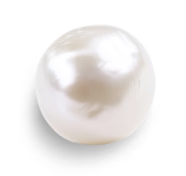
June | Pearl
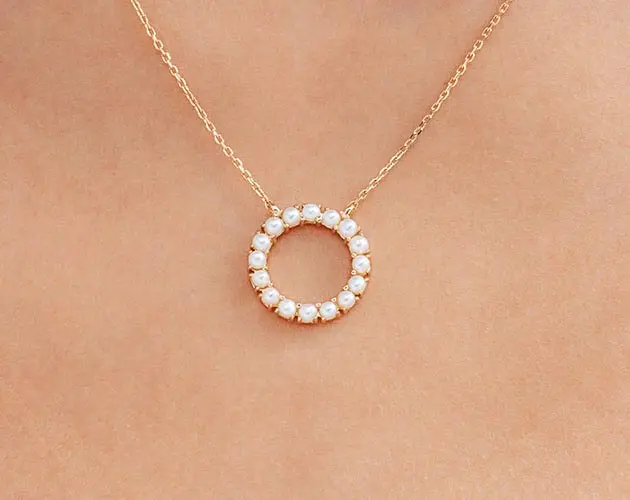
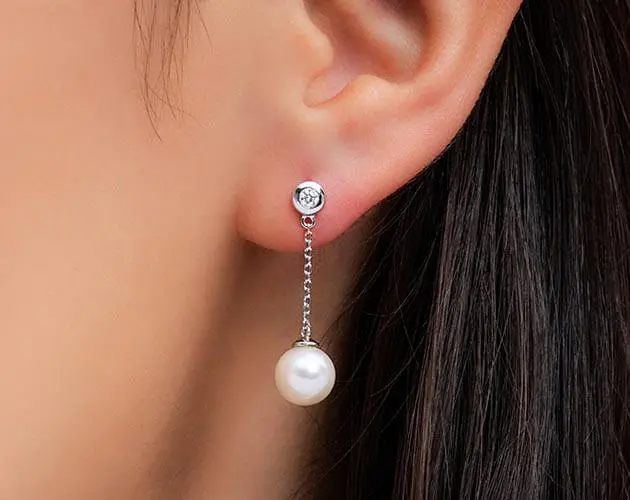
Pearls are unique among gemstones in that they are formed inside living organisms, specifically saltwater and freshwater mollusks. Because natural pearls are now exceptionally rare, the vast majority of pearls available today are cultivated under controlled conditions. Although pearls require more careful handling than many gemstones, their timeless elegance has secured their place in jewelry for centuries, especially as the traditional birthstone for June.

High-quality pearls are prized for their smooth, flawless surfaces and uniform color, which naturally connect them with qualities such as honesty, purity, and wisdom. Across cultures, pearls have carried deep symbolic meaning. Some traditions viewed pearls as divine tears from the heavens, while others placed them in burial sites as symbols of reverence and remembrance. In ancient Chinese mythology, pearls were believed to embody wisdom and power and were often associated with dragons.

While white pearls remain the most iconic, pearls are now found in a wide spectrum of colors. Depending on their origin and cultivation environment, they may appear in shades of black, green, gold, silver, and a variety of soft pastel tones.

July | Ruby
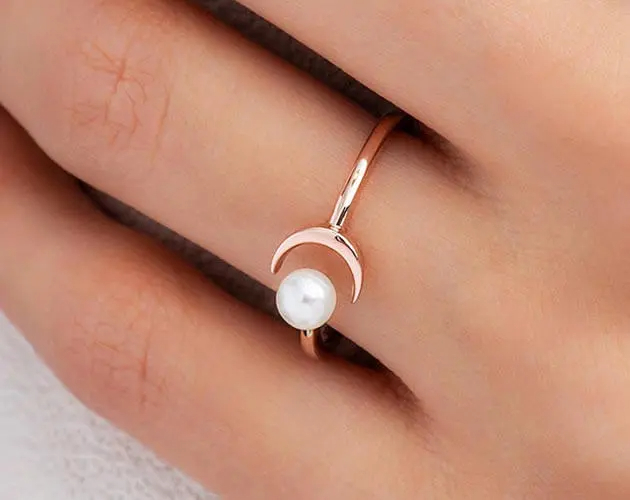
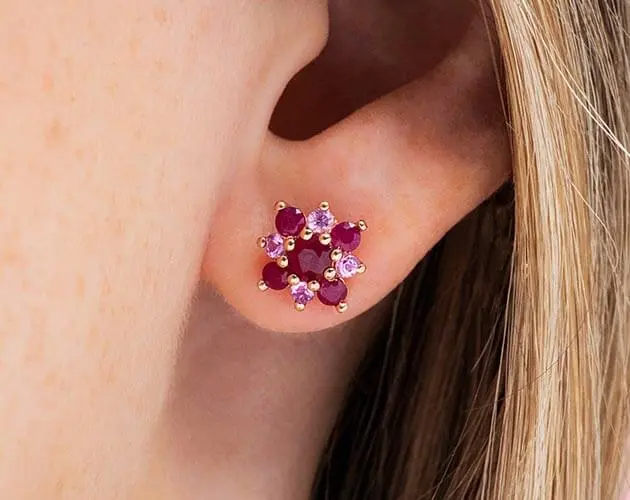
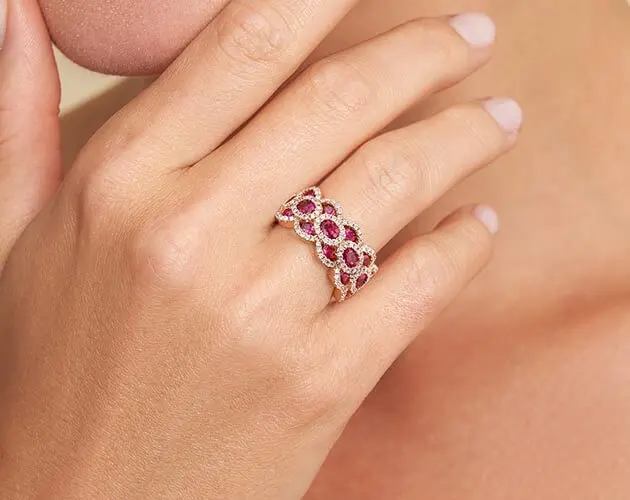
Ruby is one of the most treasured traditional gemstones used in jewelry and is renowned for its exceptional durability. Defined by its unmistakable red color, ruby can exhibit remarkably vivid saturation. Fine-quality rubies are among the most valuable gemstones in the world, with exceptional specimens achieving record prices exceeding one million dollars per carat.

Throughout history, rubies have been closely associated with vitality, strength, and physical energy. Once favored by warriors, the gemstone was believed to be deeply connected to the human body, enhancing courage, stamina, and overall strength. Rubies were also thought to temper anger and help their wearers navigate intense emotions and passionate situations.

Ruby is celebrated for its radiant red hue. From a gemological standpoint, both rubies and sapphires belong to the corundum family. Stones classified as rubies are corundum gems with a dominant red color, though subtle secondary tones of pink or orange may also be present.

August | Peridot
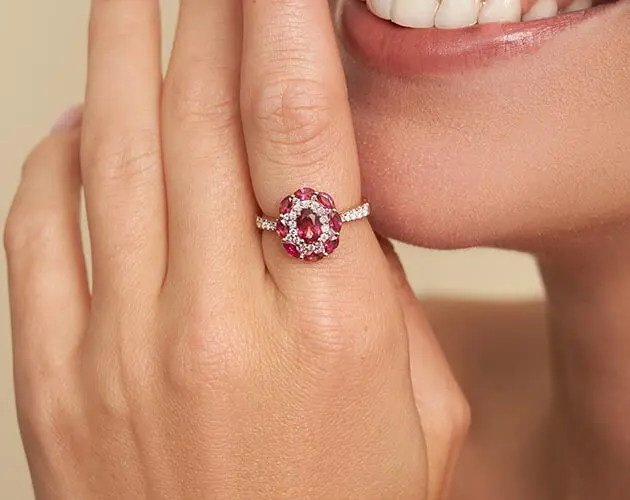
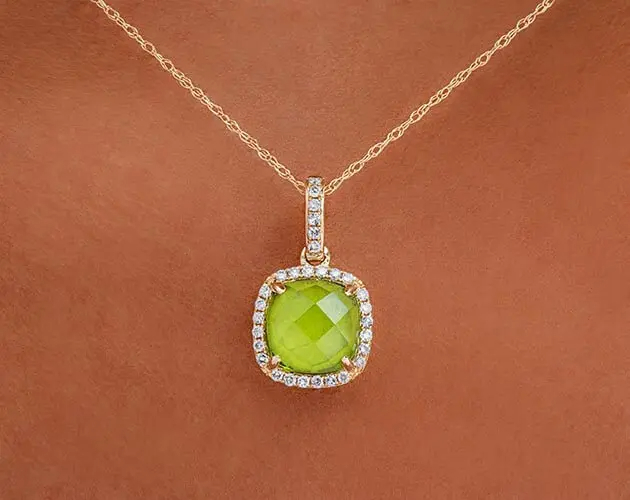
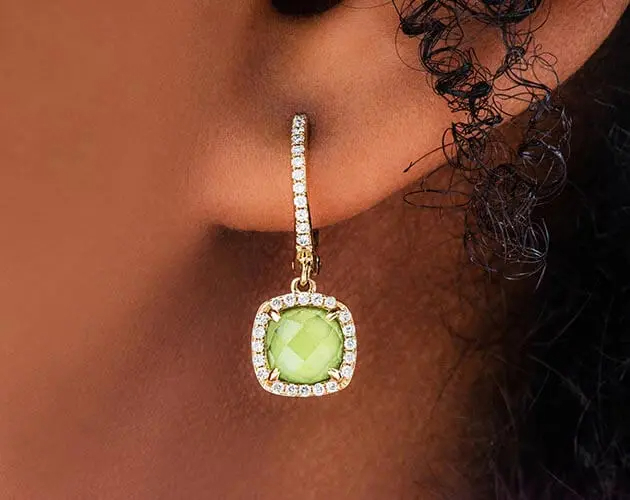
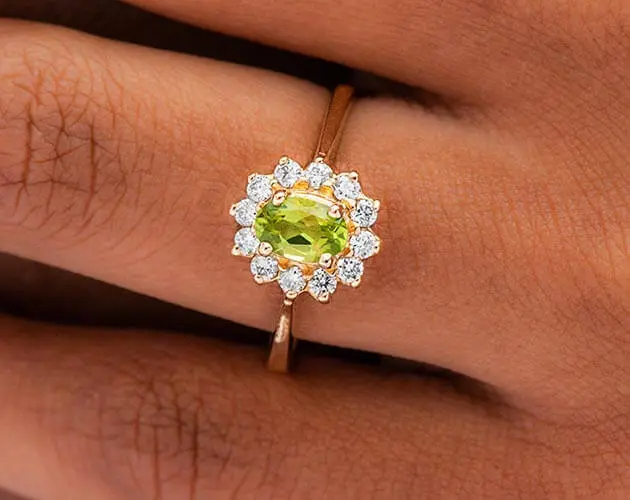
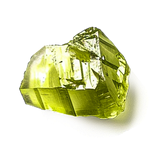
Peridot is recognized as the contemporary birthstone for August and has been admired in fine jewelry for thousands of years. Known for its exclusively green color range, peridot can appear in shades from light yellow-green to deep olive, with its exact tone influenced by where it is mined.

Historically, peridot was believed to offer protection after sunset. Its bright, fresh appearance led ancient cultures to associate the gem with the power of the sun. Wearing peridot at night was thought to ward off negative energies and keep harmful spirits at bay.

While certain peridot stones may resemble emeralds at first glance, they are distinguished by a warmer, yellow-green glow that emeralds lack. In some cases, peridot can also display subtle brownish or golden undertones, adding depth to its natural color.

September | Sapphire

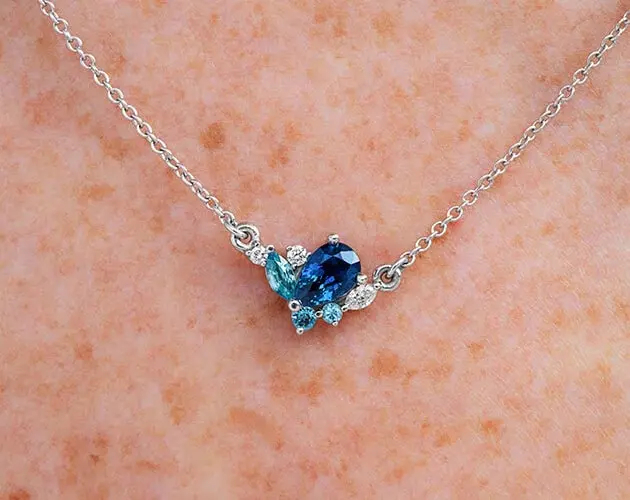
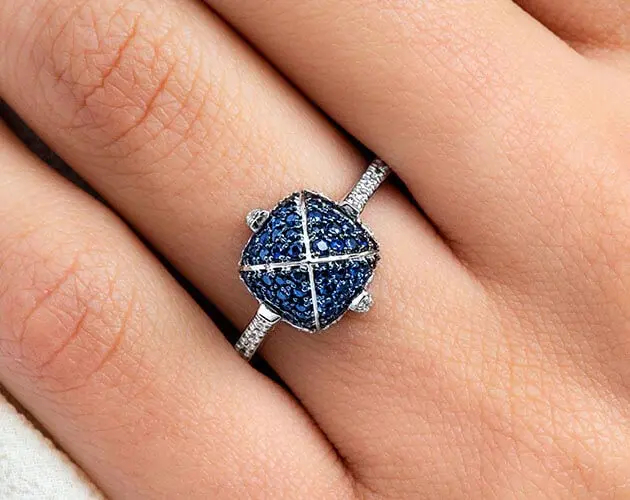
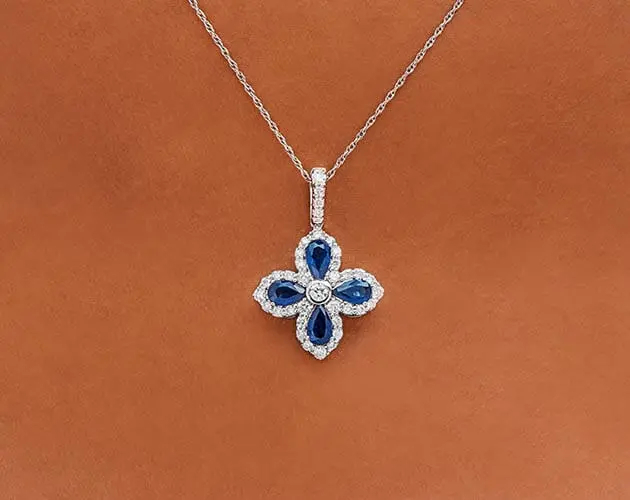
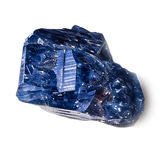
Sapphire has fascinated civilizations for thousands of years, earning its place as one of the most treasured gemstones in history. Celebrated for its rich blue tones and outstanding hardness, sapphire is exceptionally well suited for everyday jewelry. While blue is the most iconic shade, the September birthstone actually appears in a wide spectrum of colors.

Traditionally, sapphires have been viewed as stones of protection. They were believed to guard their wearer against physical danger, negative intentions, and jealousy. In ancient times, sapphires were also thought to possess healing qualities. Blue sapphires, in particular, have long been associated with spirituality and were commonly worn by religious leaders. Additionally, sapphire is one of the rare gemstones capable of displaying natural asterism, forming a striking six-pointed star under the right conditions.

Sapphires belong to the corundum family, the same mineral group as rubies. They can be found in nearly every color of the spectrum—except red, which is classified as ruby. Non-blue stones are typically named by adding a color descriptor, such as pink sapphire or yellow sapphire. When used alone, however, the term “sapphire” refers specifically to the blue variety.

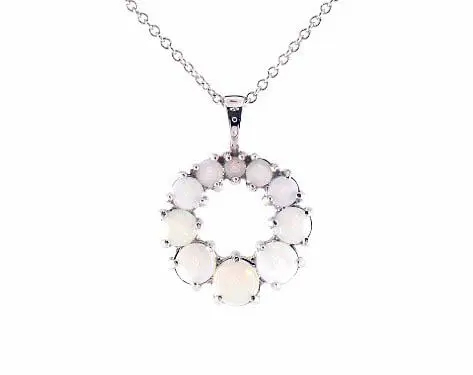
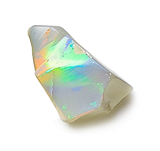
October | Opal

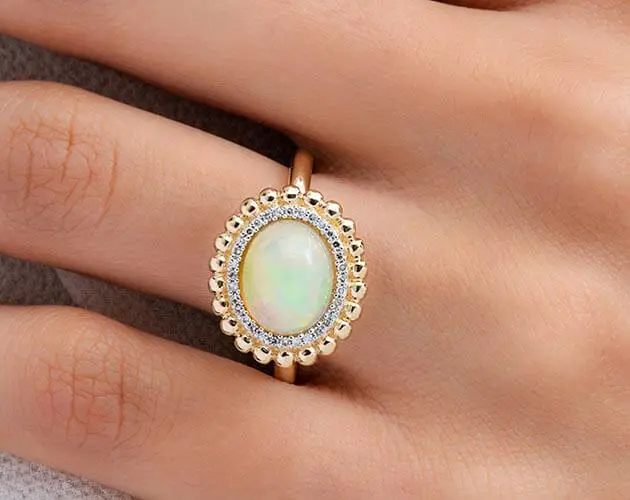
Opal stands apart from all other gemstones. Its appearance is so distinctive that gem experts use a specialized vocabulary to describe its patterns and visual effects. No two opals are ever exactly alike, making each stone truly one of a kind. Among commonly worn gemstones, opal is also one of the most fragile, which means it needs extra attention and careful handling in jewelry.

Because of its constantly shifting colors, opal has long been linked to light, mystery, and magic. Throughout history, some cultures believed opals carried healing powers, particularly in relation to eyesight. Others even claimed the stone could grant invisibility to its wearer. Although opal has occasionally been surrounded by superstition, many people today choose it as a symbol of optimism, creativity, and good fortune.

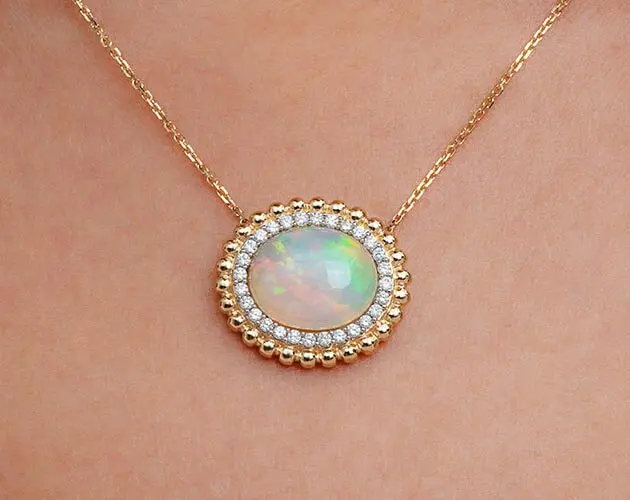
Certain opals display a rare optical effect known as play-of-color, where vibrant flashes of multiple colors appear to move across the surface as the gem is viewed from different angles. This phenomenon is unique to opal, though it is not present in every specimen.

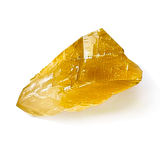
November | Citrine

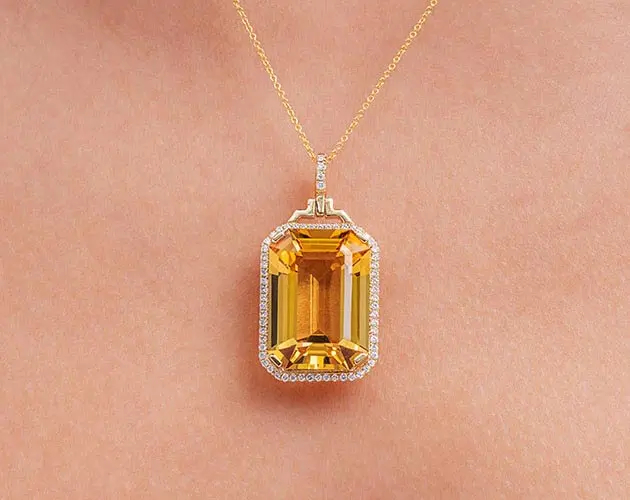
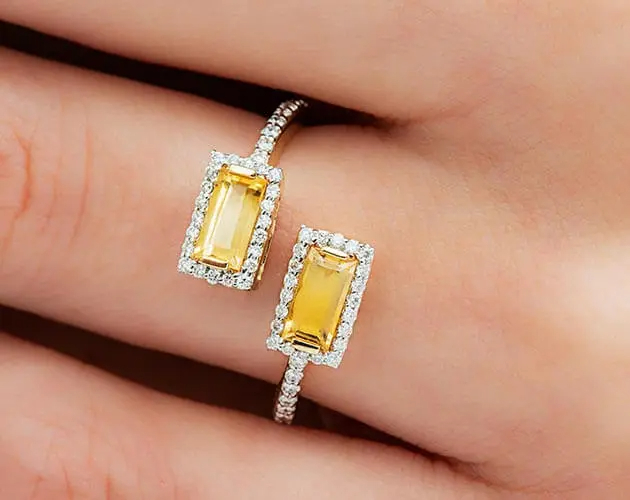
Citrine is a variety of crystalline quartz known for its yellow to reddish-orange tones. In recent years, this gemstone has grown in popularity as a modern November birthstone, thanks to its durability, wide availability, and strong appeal within warm, earthy color trends.

As a member of the quartz family and closely related to amethyst, citrine has long been linked to positivity and well-being. Traditionally, it has been associated with emotional balance, stress relief, and overall happiness. Some believe citrine can help ease discomfort, improve sleep, and promote a calmer state of mind.

Citrine is admired for its golden yellow to rich orange shades, sometimes featuring subtle brownish undertones. The gemstone is often found in relatively large crystal sizes. Many citrines available today originally formed as pale amethyst or smoky quartz and are later heat-treated to intensify their warm yellow and orange coloration.

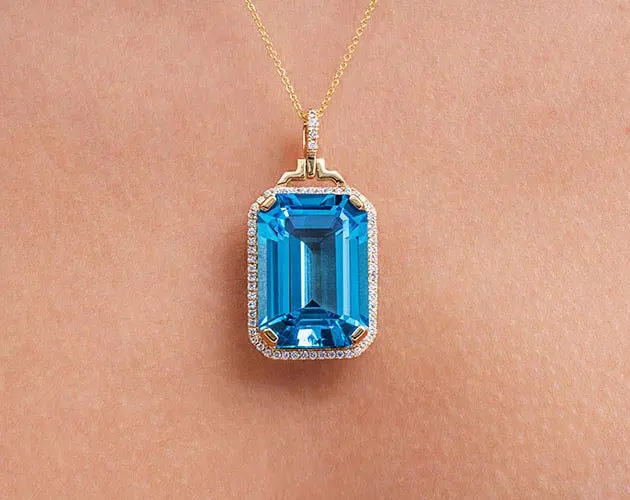
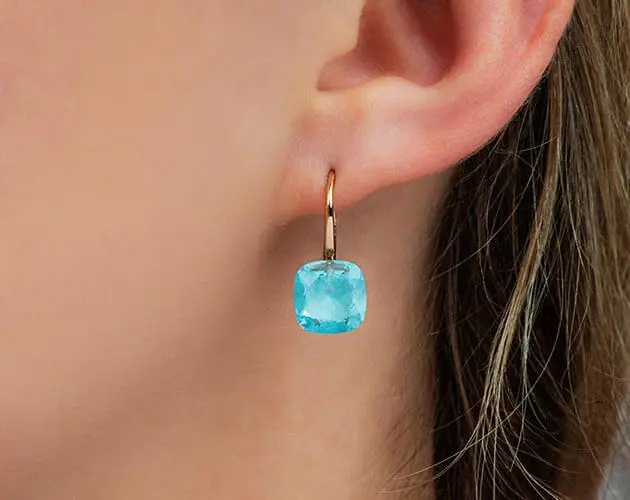
December | Blue Topaz

Most blue topaz gemstones are naturally colorless or very lightly tinted when mined. To achieve their striking blue shades, they are typically enhanced through a controlled two-stage process involving heat and radiation. This treatment produces vibrant greenish-blue tones while keeping blue topaz affordable and widely accessible in the jewelry market.

Throughout history, topaz has been linked with prosperity and abundance. This belief likely stems from the gem’s traditional yellow varieties, which reminded ancient cultures of gold. As a result, topaz was thought to possess the power to attract wealth and financial success.

Blue topaz is commonly categorized by trade names that describe its depth of color. “London Blue” features a deep, smoky blue or slightly grayish tone. “Swiss Blue” is known for its bright, intensely saturated blue with green undertones. “Sky Blue” displays a soft, light blue shade that can resemble aquamarine in both color and overall appearance.

edmundlux-logo
Price
Price - slider
$8$230
Category
Category
Crystals
Crystals
Birthstone
Birthstone
Chakras
Chakras
Moon Phases
Moon Phases
Strength
Positivity
Self-love
Tranquility
Willpower
Resilience
Purity
Passion
ABUNDANCE
Courage
Vitality
Loyalty
Empathy
Happiness
Wisdom
Femininity